In international trade activities, export manufacturing enterprises must ensure production capacity and product quality to meet partner requirements. Factory inspection is an important step that helps evaluate the actual condition of a manufacturing facility before goods are shipped. So, when does an export manufacturing enterprise need a factory inspection? This article will help you identify the right situations to conduct inspections in order to reduce risks and improve business credibility.
Export Manufacturing Enterprises
1. What Is Factory Inspection? Why Is It Important for Export Businesses?
Factory inspection is the process of conducting a manufacturing facility inspection to evaluate production capacity, operational procedures, and quality control systems. For export manufacturing enterprises, this is an essential step to ensure export goods meet required standards and comply with international buyer expectations.
Factory inspections not only help reduce product quality risks but also improve business reputation, increase contract opportunities, and expand export markets.
Manufacturing Facility Inspection
2. When Do Export Manufacturing Enterprises Need or Not Need Factory Inspection?
2.1. Export Manufacturing Enterprises That Should Conduct Factory Inspection
In practice, not every export manufacturing enterprise is required to conduct a factory inspection. However, in the following cases, inspection is considered almost necessary to ensure quality, credibility, and order fulfillment capability:
- New export businesses or companies with limited international experience
These enterprises often lack a clear capability profile, certifications, or experience working with foreign buyers. Therefore, factory inspection allows customers to directly evaluate production capacity, quality management systems, and professionalism before signing contracts.
- Businesses operating under OEM/ODM manufacturing models
For this business model, conducting a manufacturing facility inspection is essential to verify whether the factory actually exists and whether it has sufficient machinery, labor, and operating systems. This helps reduce risks such as delayed delivery, substandard products, or failure to fulfill orders.
- Businesses exporting products with high quality standards
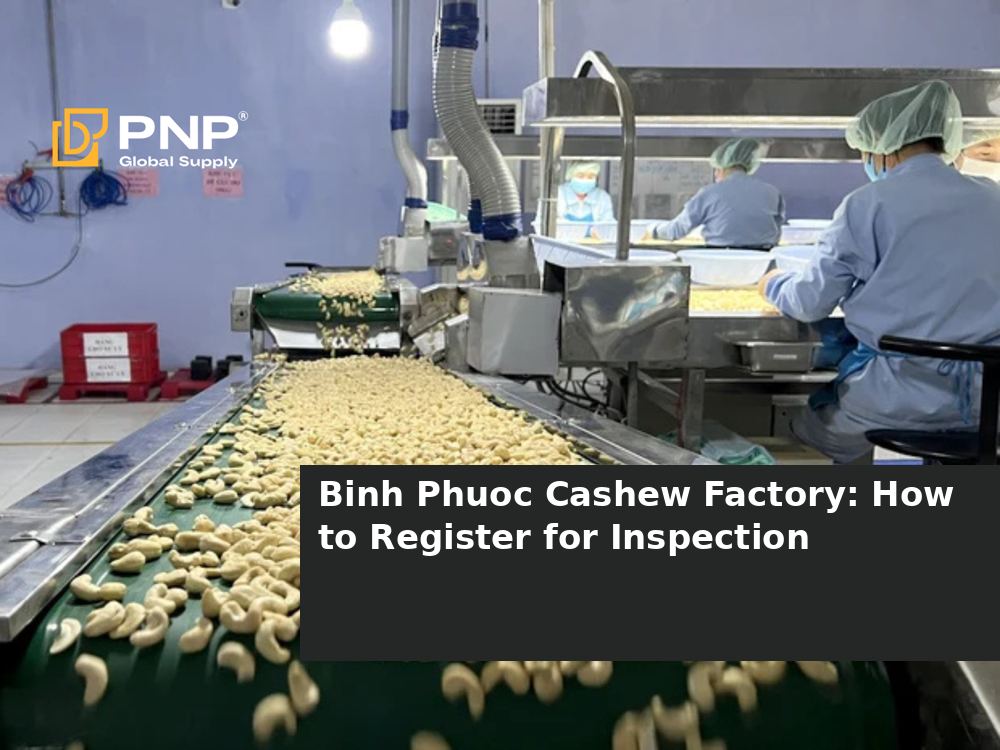
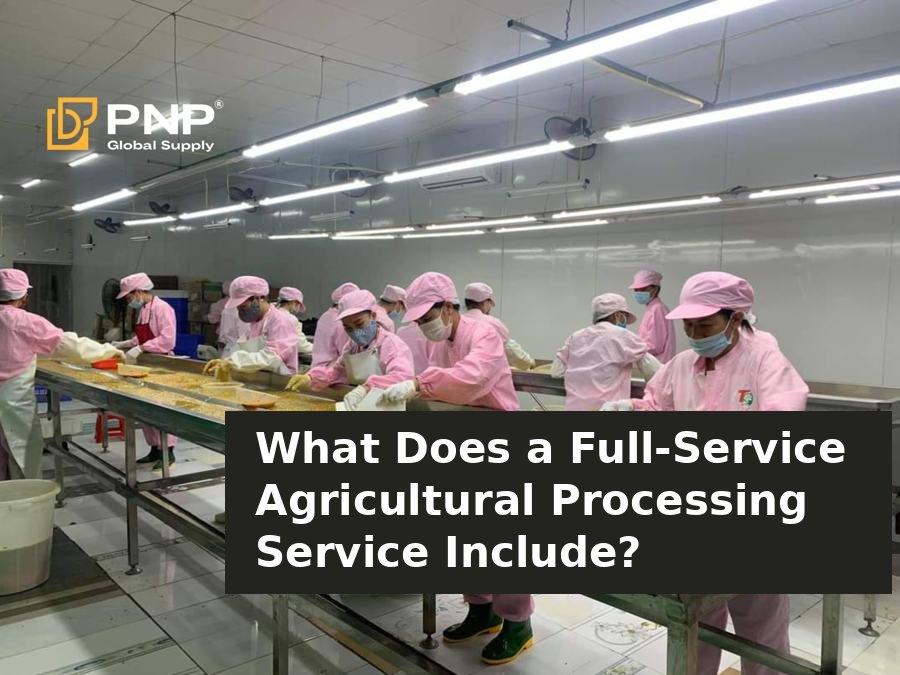
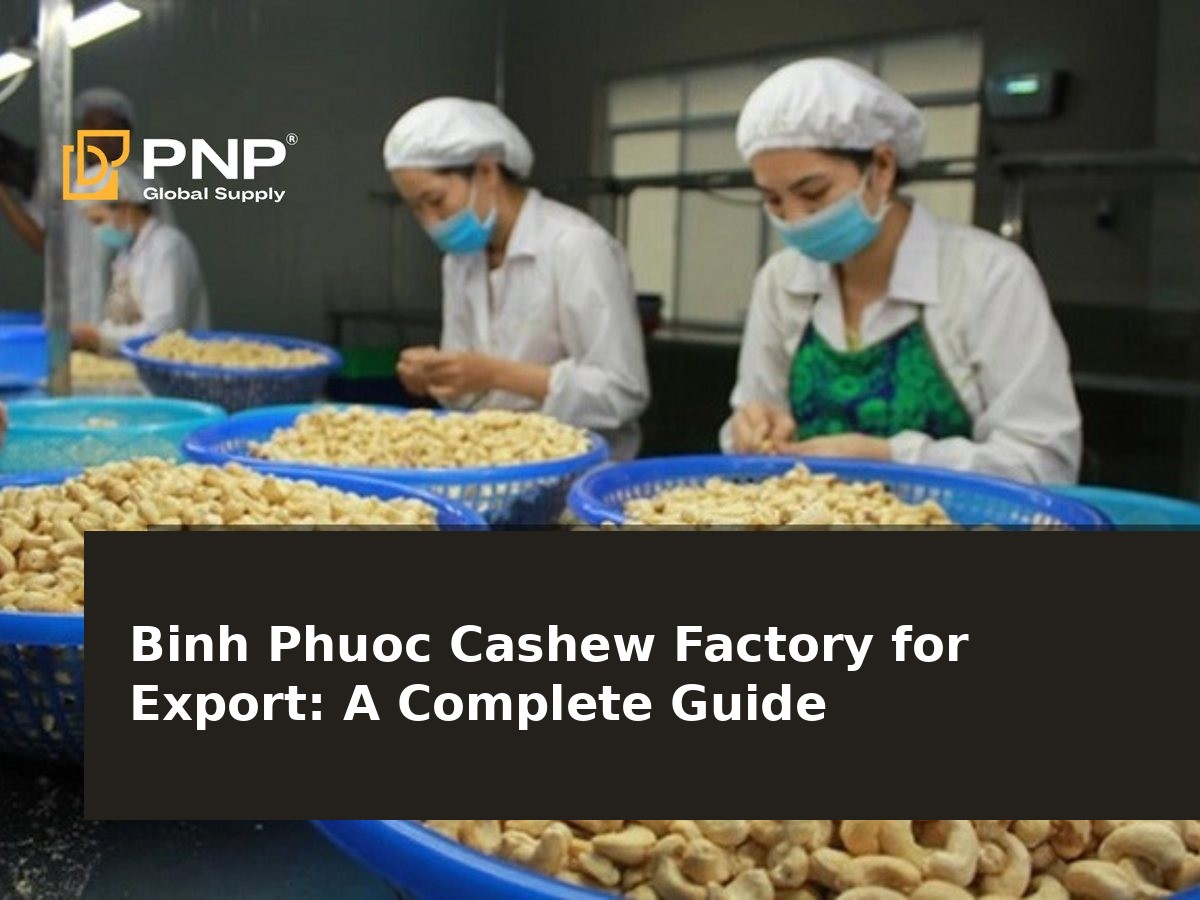
Industries such as food, agricultural products (especially cashew nut exports), charcoal, and wooden furniture often require strict standards regarding quality, hygiene, safety, and traceability. Factory inspection helps evaluate the entire process, from raw materials to production and packaging, ensuring compliance with international standards.
- Businesses handling large orders or working with demanding customers
When order values are high or buyers are major importers, factory audits are usually required before cooperation. Inspection helps verify actual production capacity, factory output, and the ability to meet delivery schedules.
- Businesses with previous quality issues or customer complaints
If products were previously returned, rejected, or found defective, factory inspection becomes necessary to review the entire production process. This also helps businesses improve operational systems and rebuild customer trust.
=> In summary, for export manufacturing enterprises that have not yet proven their capabilities, operate through outsourcing, or export products with strict requirements, factory inspection is not only an option but almost a mandatory step to reduce risks and ensure products meet international standards.
Businesses Exporting High-Standard Products
2.2. Export Manufacturing Enterprises That May Not Yet Need Factory Inspection
In some situations, export manufacturing enterprises may not need factory inspection if:
- They operate on a small scale or mainly serve domestic markets without international buyer requirements
- Their products are simple and do not require high standards or belong to sensitive product categories
- They already possess reputable certifications such as ISO, HACCP, and maintain stable production processes
=> However, even when not mandatory, factory inspection remains an advantage that helps businesses enhance credibility and prepare for export expansion.
3. Factory Inspection for Export Manufacturing Facilities: Process, Benefits, and Preparation
3.1. Manufacturing Facility Inspection Process
The factory inspection process for export manufacturing enterprises usually includes:
- Receiving inspection requests: Defining inspection objectives and applicable standards
- Reviewing legal documents: Business licenses, certifications, and production capabilities
- Evaluating actual factory conditions: Machinery, workforce, and production environment
- Inspecting export goods production processes: From raw materials to packaging
- Reporting and conclusion: Providing overall assessment and improvement recommendations
3.2. Benefits of Factory Inspection for Export Manufacturing Enterprises
Factory inspection helps export manufacturing enterprises control product quality, reduce shipping risks, and increase trust with overseas buyers. In addition, the process helps identify operational weaknesses, optimize procedures, and improve competitiveness.
3.3. What Should Businesses Prepare Before Factory Inspection?
Before a factory inspection, export manufacturing enterprises should prepare complete legal documents, certifications (ISO, HACCP, etc.), clear production procedures, and stable quality management systems. Proper preparation helps the evaluation process run smoothly and achieve better results.
Today, many businesses choose professional companies such as PNP Global Supply to conduct export manufacturing facility inspection services. With practical experience in export and inspection activities, PNP provides objective evaluations that help businesses improve production capabilities and meet international market requirements.
4. Conclusion
In conclusion, export manufacturing enterprises should conduct factory inspections in situations such as: newly entering export markets, outsourcing production, exporting products with high standards, or when buyers require factory audits. This is an important step to verify production capabilities and ensure product quality before export.
________________________________
Contact us for more information
Facebook: PNP Logistics
Phone: 039 880 2946
Email: info@pnpglobalsupply.com