Correctly identifying the cashew import and export customs procedure code is essential for businesses importing raw cashew nuts, processing cashew products, or operating export-oriented cashew processing factories. Each import or export activity requires a specific customs procedure code, which directly affects customs declarations, tax policies, and regulatory compliance.
This article explains the most commonly used customs procedure codes and how to apply them correctly in different business scenarios.

1. What Are Cashew Import and Export Customs Procedure Codes?
1.1. What Is a Customs Procedure Code?
A customs procedure code is a code used in customs declarations to identify the purpose of an import or export transaction. In the cashew industry, these codes distinguish activities such as importing raw cashew nuts, contract processing, export manufacturing, or importing cashew products for commercial trading.
1.2. Why Are Customs Procedure Codes Important?
Applying the correct customs procedure code enables businesses to complete customs procedures accurately, apply the appropriate tax policies, and effectively manage raw materials and finished products. This is particularly important for cashew processing workshops and export-oriented cashew processing factories.
2. Common Cashew Import and Export Customs Procedure Codes
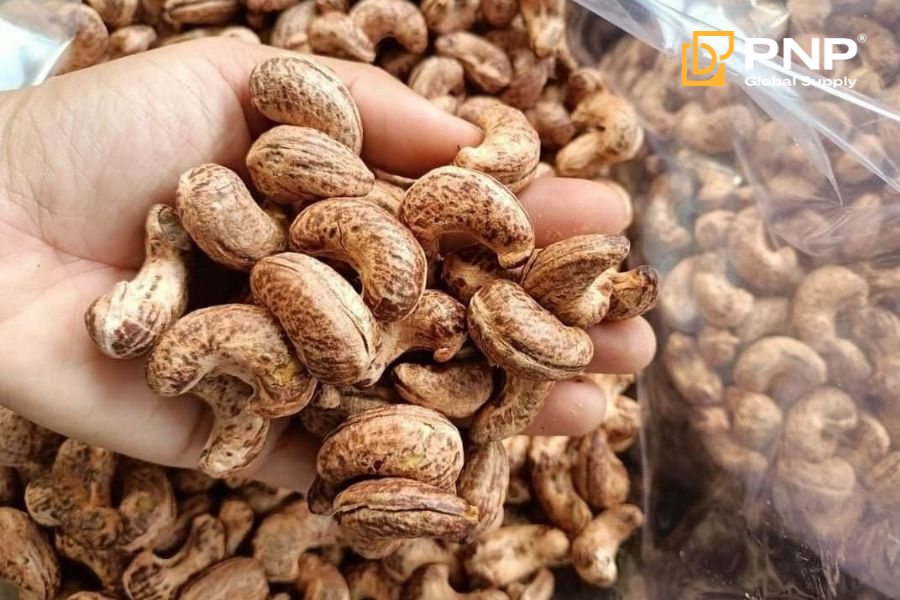
A11 – Commercial Import of Raw Cashew Nuts and Cashew Products
Applicable when importing raw cashew nuts or cashew products for commercial trading, supplying products to the domestic market, and working as a trading company.
E31 – Import of Raw Cashew Nuts for Export Manufacturing
Applicable when importing raw cashew nuts as production materials and manufacturing products for export. This procedure is commonly used by export-oriented cashew processing factories.
E62 – Export of Products Manufactured from Imported Materials
Applicable when exporting cashew kernels or other cashew products made from raw materials previously imported under the E31 procedure.
E52 – Import of Raw Materials for Contract Processing
Applicable when receiving raw materials from overseas clients and processing cashew products under a processing contract. This code is used by contract processing companies or cashew processing workshops.
E54 – Export of Processed Cashew Products
Applicable when returning finished products after contract processing or delivering products to overseas customers or their designated recipients. This procedure is typically used together with E52.
B13 – Export of Cashew Products Manufactured from Domestic Raw Materials
Applicable when purchasing raw cashew nuts domestically for processing and exporting finished cashew kernels or other cashew products without imported raw materials.
3. How to Choose the Correct Customs Procedure Code
Importing Raw Cashew Nuts for Commercial Trading
- Use A11.
- Applicable when importing raw cashew nuts for domestic distribution or commercial sales.
Importing Raw Cashew Nuts for Export Manufacturing
- Use E31.
- Applicable when importing raw materials for manufacturing export products.
- Suitable for export-oriented cashew processing factories.
Contract Processing for Overseas Customers
- Use E52 when importing raw materials.
- Use E54 when exporting the finished processed products.
- Suitable for contract processing enterprises and cashew processing workshops.
Purchasing Domestic Cashew Nuts for Export
- Use B13.
- Applicable when purchasing domestic raw materials for processing and export.
4. Export Manufacturing vs. Contract Processing
Export Manufacturing (E31 – E62)
- The company owns both the raw materials and finished products.
- Products are manufactured and exported by the company.
- Commonly applied by export-oriented cashew processing factories.
Contract Processing (E52 – E54)
- Raw materials belong to overseas customers.
- The company provides processing services and receives processing fees.
- Commonly applied by contract processing workshops.
5. Important Notes When Declaring Cashew Customs Procedure Codes

5.1. Identify the Origin of Raw Cashew Nuts
Businesses should determine whether the raw cashew nuts are imported or sourced domestically. This is the basis for selecting the correct customs procedure code, such as A11, E31, or B13, and applying the appropriate tax policies.
5.2. Clearly Distinguish Export Manufacturing from Contract Processing
Businesses should clearly distinguish between export manufacturing and contract processing activities. If the company owns the raw materials and exports the finished products, the export manufacturing procedures apply. If the company receives raw materials from overseas customers and only performs processing services, the contract processing procedures should be applied.
5.3. Monitor Raw Materials and Finished Products in Export-Oriented Cashew Processing Factories
Export-oriented cashew processing factories should closely monitor imported raw materials, production activities, and exported finished products. Proper inventory management enables businesses to prepare accurate customs reports, customs finalization reports, and maintain compliance while minimizing data discrepancies.
5.4. Reduce the Risk of Additional Tax Assessments and Customs Penalties
Incorrect customs procedure codes, inaccurate declarations of material usage, or incomplete documentation may result in additional tax assessments and customs penalties. Businesses should carefully review all documentation before submitting customs declarations to ensure compliance with customs regulations.
5.5. PNP Global Supply – Your Trusted Partner for Cashew Import and Export Services
PNP Global Supply provides professional consulting on customs procedure codes, customs procedures, and logistics solutions for businesses involved in raw cashew nut imports, contract processing, and exports from export-oriented cashew processing factories. Our experienced team helps businesses optimize costs, reduce customs clearance risks, and improve operational efficiency throughout the import and export process.
6. Conclusion
Selecting the correct cashew import and export customs procedure code enables businesses to complete customs procedures accurately, apply the appropriate tax policies, and minimize legal and compliance risks.
Whether your business is engaged in commercial trading, export manufacturing, or contract processing, choosing the correct customs procedure code is essential for ensuring efficient and compliant import-export operations.
Contact us:
Facebook: PNP Logistics
Phone: 039 880 2946
Email: info@pnpglobalsupply.com