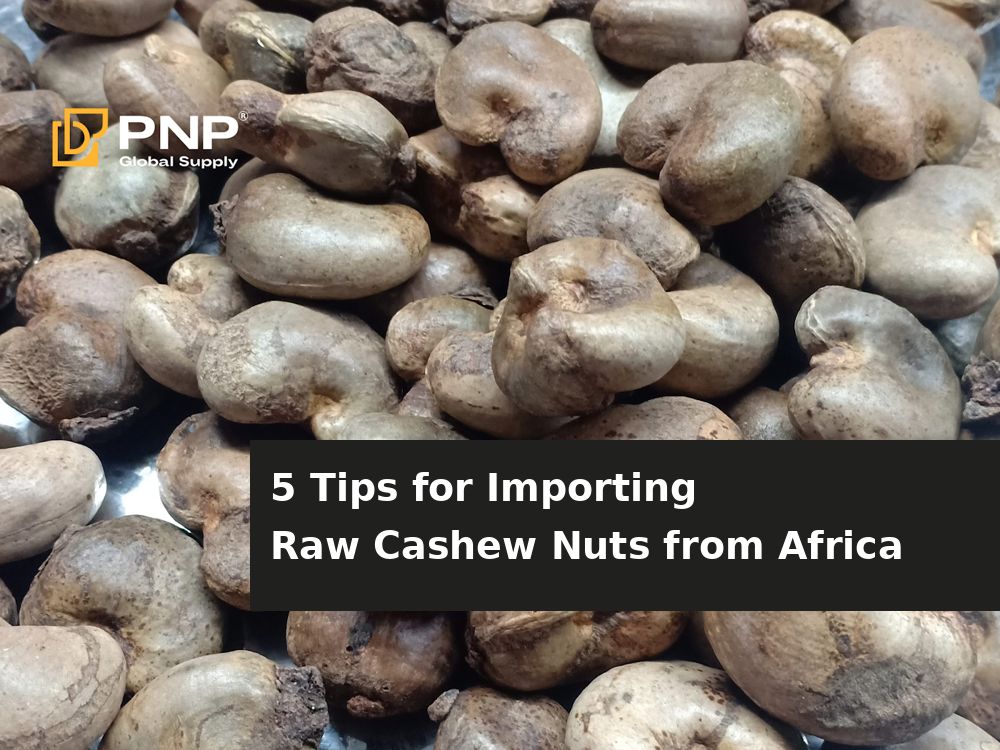
Importing raw cashew nuts from Africa to Vietnam requires careful preparation, from transportation and documentation to phytosanitary inspection and customs procedures. In particular, the long shipping distance can create risks related to product quality, delivery time, and costs. This article highlights 5 important tips to help businesses manage the transportation and import process efficiently and smoothly.
1. Check the Quality and Origin of Raw Cashew Nuts Before Shipping
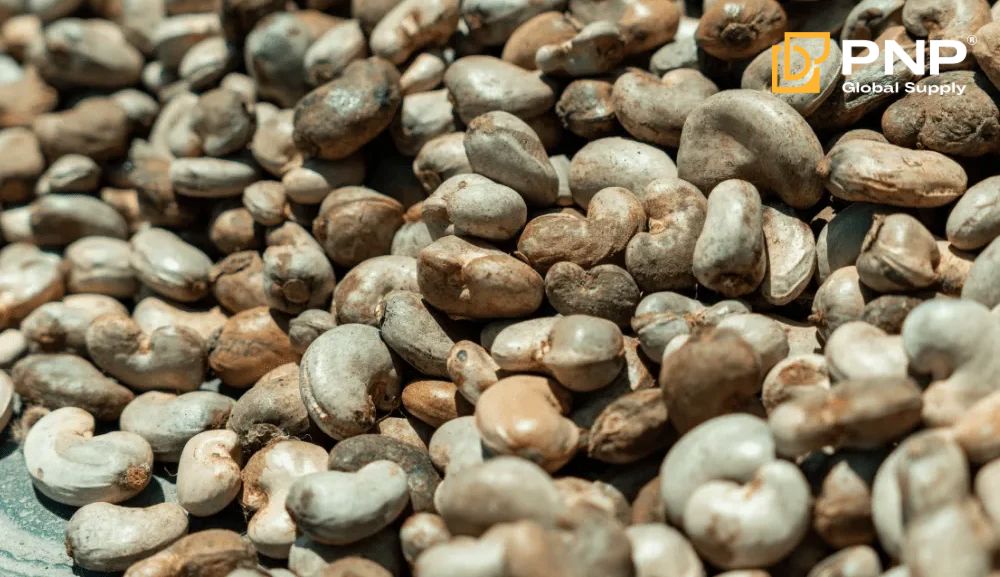
- Verify the supplier: Check the supplier's information, origin, and reputation in Africa.
- Inspect quality: Evaluate moisture content, impurity levels, nut size, and the actual condition of the raw cashew nuts.
- Agree on product standards: Clearly specify quality requirements, quantity, specifications, and product standards in the contract.
- Check packaging and storage: Ensure suitable packaging and proper dry storage to minimize the risk of moisture and mold during long-distance transportation.
- Check supporting documents: Request documents related to the origin, quality, and phytosanitary status of the shipment before shipping.
2. Prepare Complete Documentation for the Import Shipment

- Sales contract: Includes buyer and seller information, quantity, value, and delivery terms.
- Commercial Invoice: Shows the value and commercial details of the shipment.
- Packing List: Specifies the quantity, weight, and packaging details.
- Bill of Lading (B/L): The transport document for the shipment.
- C/O: Used to certify the origin of the goods when required.
- Phytosanitary documents: Required for import phytosanitary procedures.
- Document consistency: Ensure the product name, quantity, weight, HS code, and information of all parties are consistent across documents.
- Check customs requirements: Prepare the required documentation correctly to minimize additional requests and customs clearance delays.
3. Pay Attention to Phytosanitary Requirements for Imported Raw Cashew Nuts
- Check phytosanitary requirements: Determine the applicable regulations for raw cashew nuts and prepare the required documents in advance.
- Prepare the Phytosanitary Certificate: Request the supplier to obtain a phytosanitary certificate in the exporting country.
- Register for phytosanitary inspection in Vietnam: Complete the registration with the relevant authority when the shipment arrives at the port.
- Inspection and sampling: Coordinate with the authorities for physical inspection or sampling when required.
- Complete the documentation: Obtain the phytosanitary result to proceed with customs clearance and cargo release.
- Plan ahead: Register early to minimize container storage, port storage, and cargo release delays.
4. Choose the Right Transportation Method for Raw Cashew Nuts
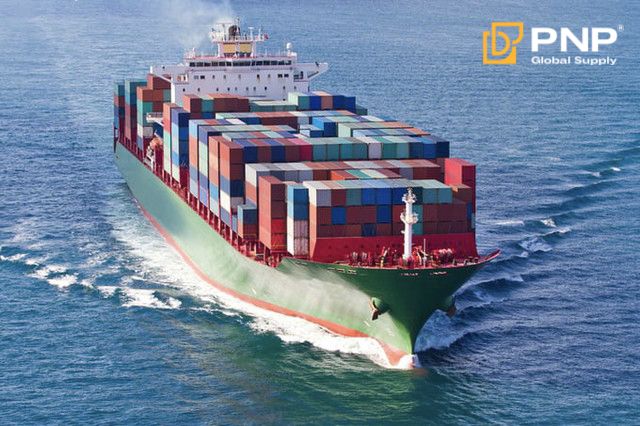
- Prioritize sea freight: Suitable for large shipments of raw cashew nuts and helps optimize transportation costs.
- Choose the right route and sailing schedule: Compare transit times, transshipment requirements, and sailing schedules.
- Select the appropriate container: Consider the cargo weight, packaging specifications, and characteristics of the goods.
- Inspect the container: Make sure the container is clean, dry, sealed, and free from unusual odors.
- Protect the cargo: Use suitable packaging, pallets, and moisture-absorbing materials to reduce the risk of mold.
- Track the shipment: Monitor the ETA and container status to prepare for cargo collection.
- Allow buffer time: Account for possible vessel delays, transshipment, or port congestion.
5. Control Customs Procedures, Costs, and Cargo Release Time

- Determine the correct HS code: Check the HS code, applicable duties, and import regulations for raw cashew nuts.
- Prepare documents early: Complete the Commercial Invoice, Packing List, B/L, C/O, and phytosanitary documents.
- Complete customs declaration: Submit the import declaration, monitor the customs channel, and handle inspections when required.
- Clear customs and collect the cargo: Complete customs procedures, collect the container, and transport the raw cashew nuts to the factory.
- Control costs: Estimate sea freight, port charges, phytosanitary inspection fees, and inland transportation costs.
- Minimize additional charges: Arrange timely cargo collection to avoid container detention and storage charges.
- Track the shipment: Monitor transportation, customs clearance, and delivery to address any issues promptly.
6. Why Use a Logistics Company When Importing Raw Cashew Nuts from Africa?
- Transportation consulting: Choose suitable routes, sailing schedules, and transportation solutions for each shipment.
- Shipment tracking: Handle booking, schedule updates, and container tracking throughout the transportation process.
- Documentation support: Check the Commercial Invoice, Packing List, B/L, C/O, and other relevant documents.
- Procedure support: Assist with phytosanitary inspection, customs declarations, and unexpected requirements.
- Cargo collection and delivery: Arrange container collection at the port and transportation of raw cashew nuts to the factory.
- Cost control: Monitor the shipment and minimize container detention, storage, and other additional costs.
With experience in handling agricultural products, PNP Global Supply supports businesses with raw cashew nut imports from Africa to Vietnam, covering international transportation, phytosanitary inspection, customs clearance, and delivery to the factory, helping businesses streamline the import process and control costs.
7. Conclusion
Importing raw cashew nuts from Africa to Vietnam requires careful preparation of product quality, documentation, phytosanitary requirements, transportation, and customs procedures. By proactively managing each stage and choosing the right logistics company, businesses can minimize risks, ensure timely delivery, and optimize costs throughout the shipment.
Contact Us:
Facebook: PNP Logistics
Phone: 039 880 2946
Email: info@pnpglobalsupply.com