When exporting agricultural products, understanding what FCL and LCL are is important for choosing the right shipping method. FCL is suitable for large shipments, while LCL is designed for smaller shipments that need to share container space. Let’s explore the differences and how to choose the most suitable option.
1. What Are FCL and LCL? What Is the Difference?
1.1. FCL – Full Container Load
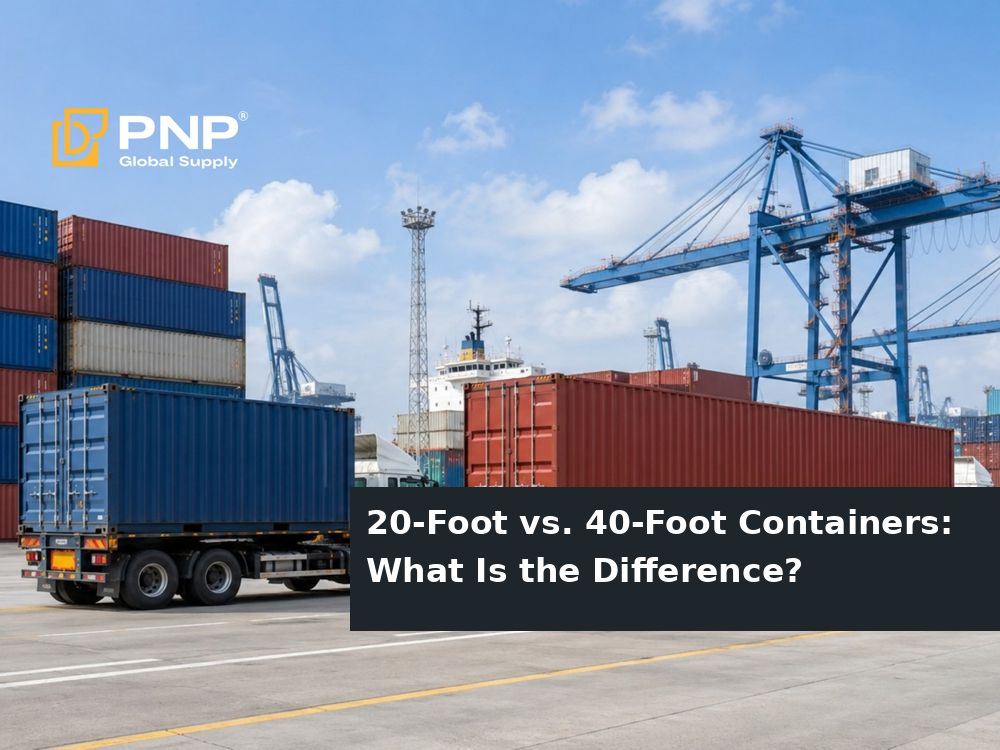
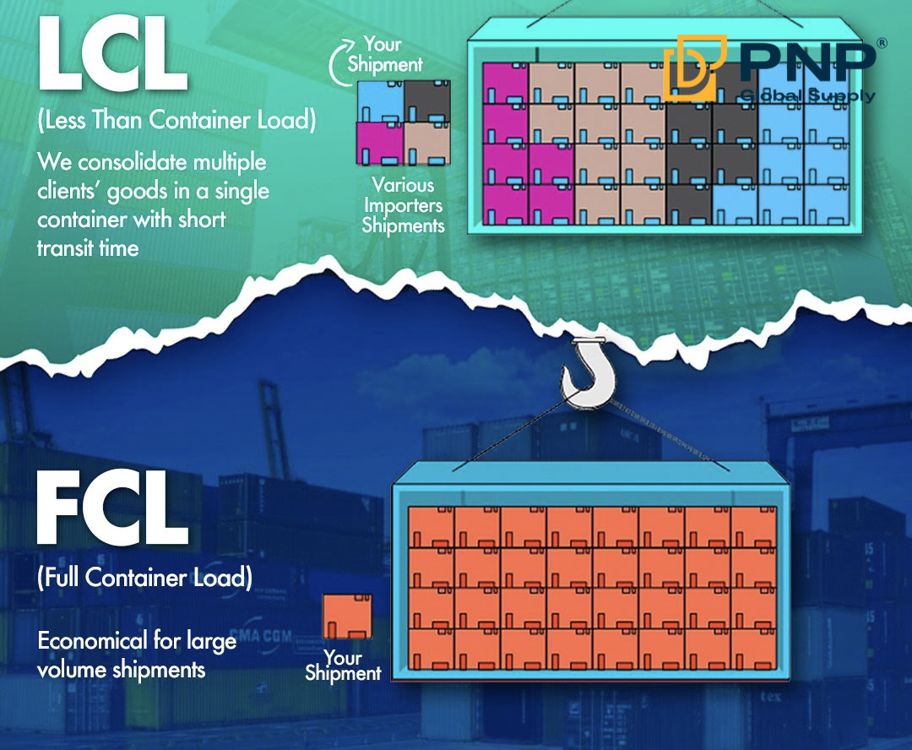
FCL (Full Container Load) is a shipping method in which one shipment uses an entire container without being consolidated with cargo from other businesses.
1.2. LCL – Less than Container Load
LCL (Less than Container Load) is a shipping method in which multiple shipments from different businesses are consolidated into the same container for transportation.
1.3. What Is the Difference Between FCL and LCL?
- Container usage: FCL uses a dedicated container for one shipment, while LCL combines multiple shipments in one container.
- Shipment volume: FCL is suitable for large shipments, while LCL is suitable for smaller shipments that are not large enough to fill a full container.
- Handling process: FCL mainly involves loading and sealing the container, while LCL requires additional consolidation, sorting, loading, and deconsolidation.
- Cost: FCL is generally more suitable for large shipment volumes, while LCL allows businesses to avoid paying for an entire container when shipping a smaller amount of cargo.
- Cargo control: FCL provides better control because the cargo is not mixed with other shipments, while LCL may involve additional handling risks during consolidation and deconsolidation.
2. Should Agricultural Exporters Choose FCL or LCL?
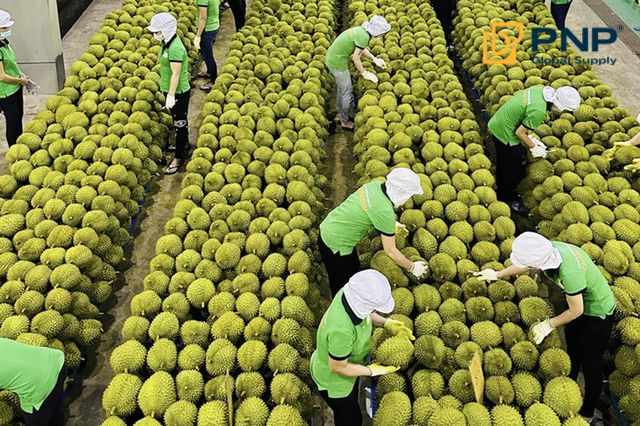
2.1. When Should You Choose FCL?
- Large shipment volume: When the cargo volume or weight is sufficient to use most of a container, FCL can maximize container space and optimize transportation costs per unit.
- Better cargo control: Suitable for agricultural products that are sensitive to odors, need protection from impact, or should not come into contact with other cargo.
- Greater control over transportation: Businesses can arrange loading, seal the container, and track the entire container from origin to destination.
- Cargo requiring separate conditions: Suitable for agricultural products with specific packaging, temperature, humidity, or transportation requirements.
2.2. When Should You Choose LCL?
- Small shipment volume: When the cargo is not sufficient to fill an entire container, LCL allows businesses to pay for the space actually used.
- No need for a full container: Suitable for small shipments, samples, or businesses exporting in smaller batches.
- Flexible shipment volumes: Businesses can ship cargo without waiting until they have enough goods to fill an entire container.
- Suitable for lower-risk agricultural products: LCL can be considered for cargo with strong packaging that is not highly perishable, odor-sensitive, or easily affected by other consolidated shipments.
2.3. Criteria for Choosing Between FCL and LCL
- Quantity and volume: Large shipments that can fill a container → choose FCL; smaller shipments → consider LCL.
- Type of agricultural product: Fresh, frozen, perishable, or temperature-sensitive products require a shipping method that provides suitable transportation conditions.
- Cost: Compare the total cost, including freight, CFS charges, local charges, consolidation fees, and other surcharges.
- Transit time: LCL may require additional time for cargo consolidation and deconsolidation, while FCL generally provides greater control over the transportation process.
- Cargo safety: If the goods are vulnerable to impact, odors, moisture, or contact with other cargo, FCL is generally more suitable.
- Buyer requirements: Check packaging specifications, delivery deadlines, and transportation conditions required by the importer.
2.4. Considerations for Different Agricultural Products
- Fresh agricultural products and fruits: Prioritize methods that provide short transit times and good temperature and humidity control; carefully consider the risks before choosing LCL.
- Frozen agricultural products: Require suitable containers and storage conditions, so the selected shipping method should be able to maintain the required temperature.
- Dried agricultural products: Can be shipped by FCL or LCL depending on shipment volume, but proper packaging, moisture protection, and odor prevention are important.
- Coffee, cashews, pepper, and other bagged agricultural products: FCL is suitable for large shipments, while LCL can be considered for small shipments or trial orders.
- Agricultural products subject to phytosanitary requirements: Regardless of whether FCL or LCL is selected, businesses should check phytosanitary requirements, documentation, and import regulations before shipping.
3. FCL and LCL Shipping Process for Agricultural Exports
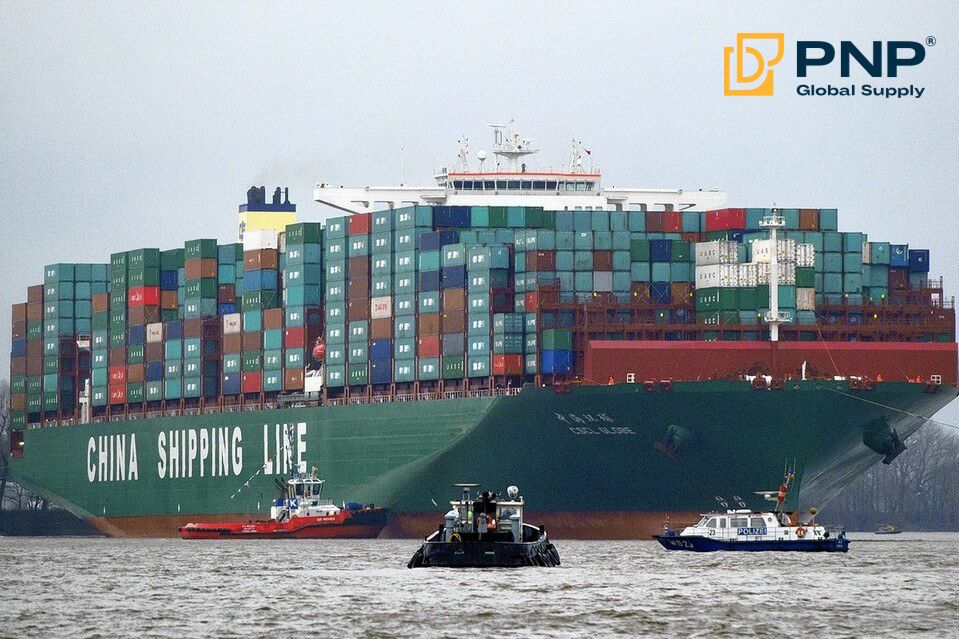
3.1. FCL Shipping Process
- Prepare cargo and documents: Inspect the goods, prepare packaging, and arrange export documents and phytosanitary documents if required.
- Book a container: Select the appropriate container type and shipping route, then book space with the shipping line.
- Load cargo and complete procedures: Load the goods, seal the container, and complete customs and phytosanitary procedures.
- Transportation: Deliver the container to the port, load it onto the vessel, and transport it to the destination port.
3.2. LCL Shipping Process
- Prepare cargo and booking: Pack the goods, prepare the necessary documents, and arrange LCL shipping.
- Deliver cargo to the CFS warehouse: Cargo is checked, sorted, and consolidated with other shipments.
- Complete procedures: Complete customs and phytosanitary procedures if required.
- Transportation and delivery: The consolidated container is transported to the destination port, where the cargo is deconsolidated at the CFS warehouse and delivered to the consignee.
If your business does not have experience handling logistics for agricultural exports, PNP Global Supply can support you with FCL/LCL selection, booking, export documentation, customs clearance, and phytosanitary procedures, as well as shipment tracking from cargo pickup to final delivery.
4. Conclusion
Understanding what FCL and LCL are helps businesses choose the right shipping method when exporting agricultural products. FCL is suitable for large shipments that require an entire container and greater cargo control, while LCL is suitable for smaller shipments that do not require a full container. Businesses should consider shipment volume, product characteristics, transportation costs, and transit time before making a decision.
Contact Us:
Facebook: PNP Logistics
Phone: 039 880 2946
Email: info@pnpglobalsupply.com