An import/export type code is a code assigned by Customs to identify the purpose and nature of each import or export activity. When declaring goods to Customs, businesses must choose the correct type code so the system can determine the management process, required documents, tax policy, and specialized regulations applied to the shipment.
For the cashew industry, choosing the correct import/export type code is especially important. Vietnam imports large volumes of raw cashews from Africa and Cambodia for processing, while also being one of the world’s leading exporters of cashew kernels. If the wrong type code is declared, businesses may face customs delays, container demurrage costs, tax refund issues, or administrative penalties.
Therefore, businesses involved in raw cashew imports and cashew kernel exports should understand the main customs type codes and choose the code that matches their actual business purpose.
1. Why Do Businesses Need to Declare the Correct Import/Export Type Code?
Declaring the correct import/export type code is not only a mandatory Customs requirement. It also helps businesses protect their rights throughout the import and export process. Each type code corresponds to different management policies related to tax, documentation, specialized inspection, and customs clearance conditions.
In the cashew industry, businesses often import raw materials for processing and then export finished products. If the type code is selected incorrectly from the beginning, the business may face difficulties with customs settlement, tax refunds, or explanations to Customs authorities. Accurate declaration can also help reduce inspection risk, shorten clearance time, and improve the company’s credibility when handling customs procedures.
2. Common Import/Export Type Codes Used in the Cashew Industry
Businesses operating in the cashew sector may use different import/export type codes depending on the purpose of each shipment.
For raw cashew imports used for domestic trading, businesses may use A11 or the corresponding code under current regulations for business import. If raw materials are imported for production, processing, or export manufacturing, other codes such as E31, E21, or codes guided by Customs at a specific time may apply.
On the export side, when cashew kernels are shipped to markets such as the United States, Europe, Japan, or the Middle East, businesses need to select the export type code that matches the production, trading, or export purpose of the goods.
Because regulations on type codes can be adjusted from time to time, businesses should regularly update the latest guidance from the General Department of Customs or consult an experienced logistics company before making declarations.
3. Import Type Codes for Cashew Nuts
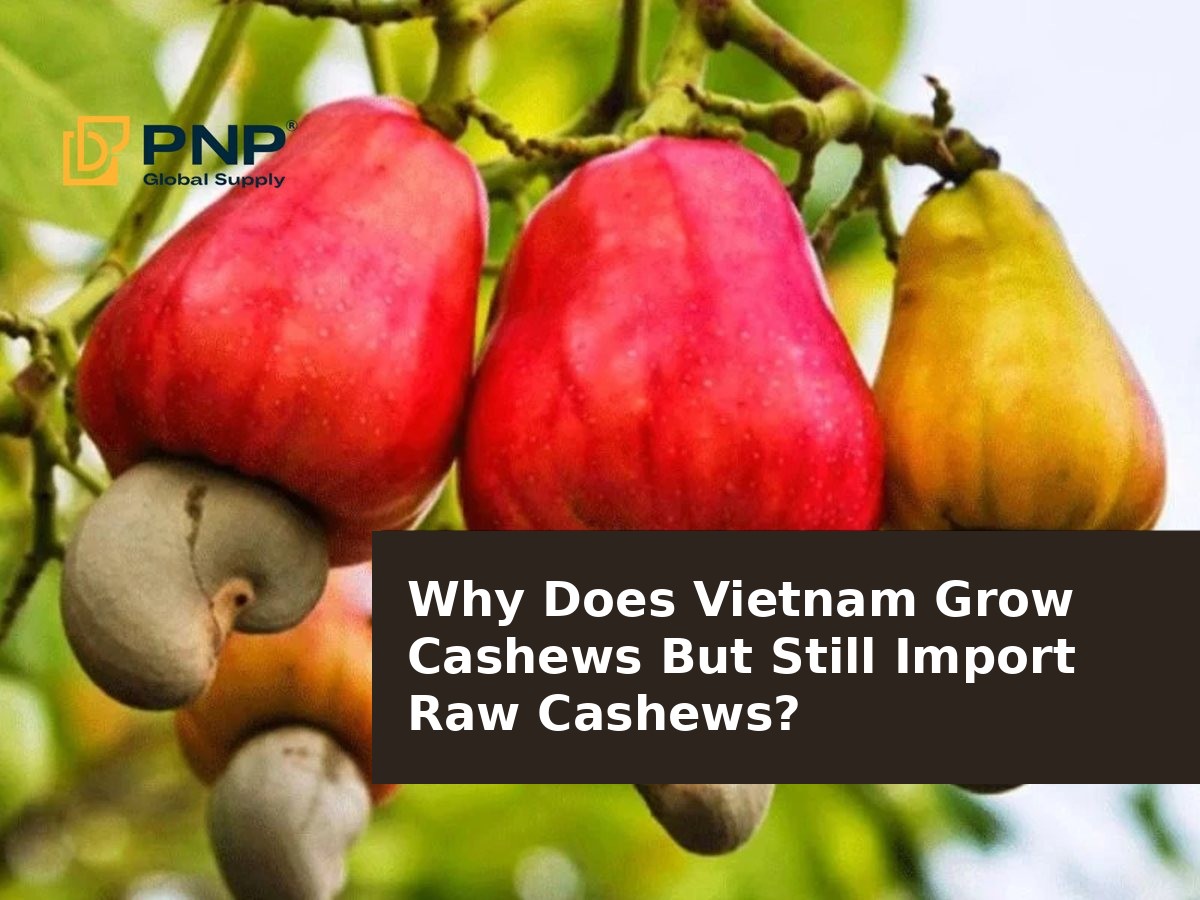
Raw cashew imports are mainly used for processing and re-export. Although Vietnam is the world’s leading exporter of cashew kernels, domestic raw cashew production is not enough to meet factory processing capacity. Each year, businesses import large volumes of raw cashews from Côte d’Ivoire, Ghana, Nigeria, Tanzania, Cambodia, and other countries.
Depending on the intended use of the shipment, businesses must choose the appropriate import/export type code. If the goods are imported for domestic sale, the business may use a business import type. If raw materials are imported for processing and later export as cashew kernels, the business should apply the type code for export production in order to enjoy applicable preferential policies. Choosing the right type from the beginning helps businesses manage raw materials, monitor production norms, and complete customs settlement more smoothly.
4. Export Type Codes for Cashew Kernels
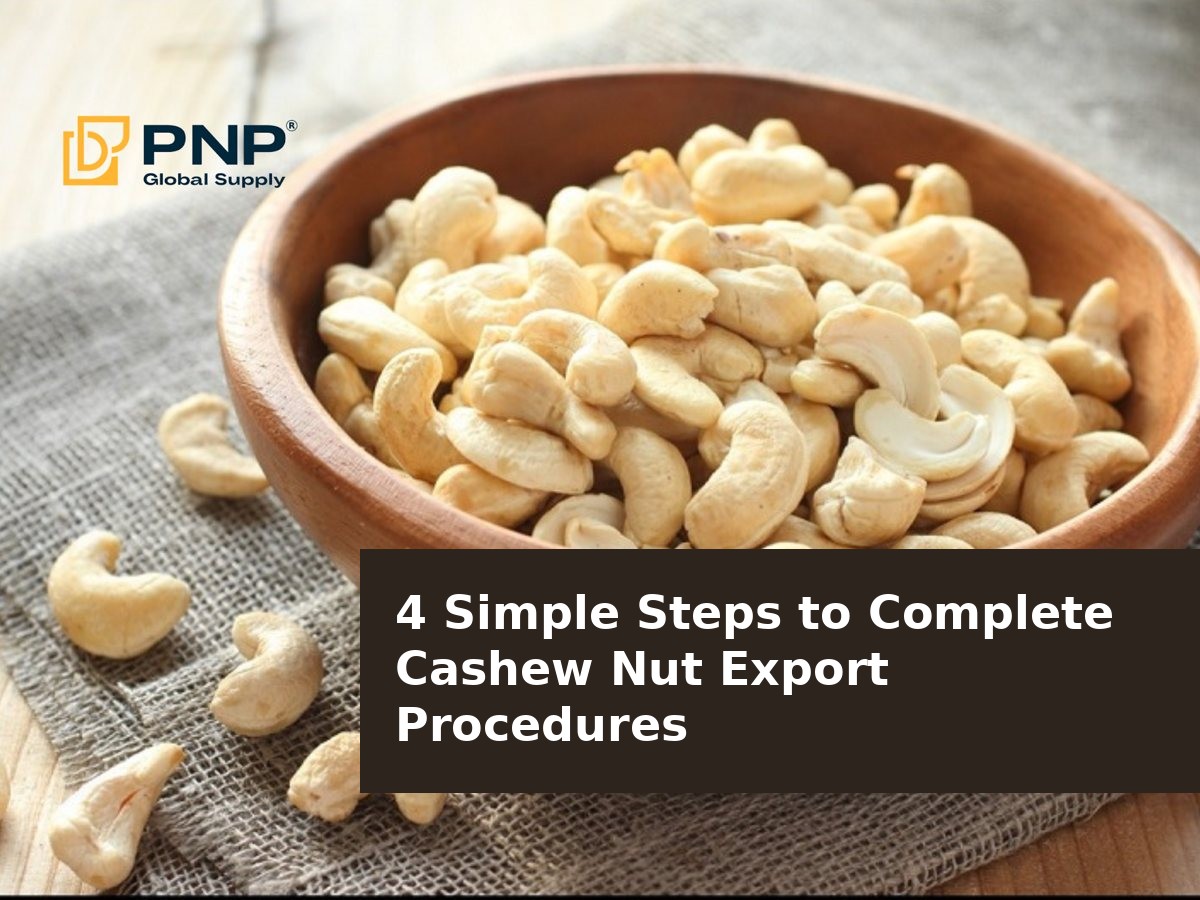
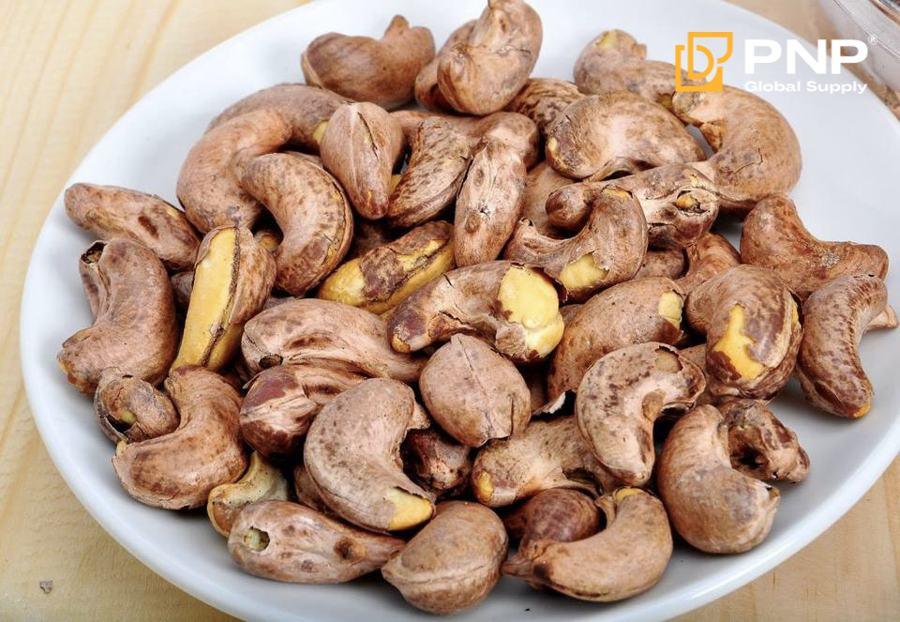
For cashew exporting companies, choosing the correct type code also directly affects customs documents and tax policy. Exported cashew kernels may be produced from domestic raw materials, imported raw materials, or processed under a manufacturing contract for a foreign partner. Each case may require a different customs type code.
In addition to declaring the correct type code, businesses need to prepare complete commercial contracts, commercial invoices, packing lists, bills of lading, certificates of origin if applicable, and phytosanitary documents for markets that require them. Complete documentation helps the shipment clear customs faster and reduces additional costs.
5. The Relationship Between Type Codes and Import/Export Tax Refunds
One reason businesses should pay close attention to import/export type codes is that they affect import/export tax refund rights. For businesses importing raw materials to manufacture export goods, declaring the correct type code is an important basis for Customs to consider tax exemption or tax refund under current regulations.
If a business declares the wrong type code or fails to manage supporting documents properly, it may be difficult to prove that imported raw materials were used to produce exported goods. This can prolong the tax refund process or make the business ineligible for preferential policies. From the raw material import stage, businesses should build a strict document management system and coordinate with a knowledgeable logistics provider to keep their records accurate.
6. Common Mistakes When Declaring Type Codes
In practice, many new import-export businesses confuse business import with import of raw materials for export production. Some businesses also use outdated type codes or fail to update the latest Customs regulations. Another common issue is changing the intended use of imported goods without making the required adjustment procedures, which can create problems during settlement or tax refund applications.
To reduce these risks, businesses should carefully review documents before opening the customs declaration, update new regulations regularly, and consult customs specialists or logistics providers before choosing an import/export type code.
7. PNP Logistics – Supporting Cashew Import and Export Businesses
For businesses operating in raw cashew imports and cashew kernel exports, choosing the correct import/export type code is an important step to optimize customs clearance time and reduce tax-related risks. PNP Logistics provides end-to-end logistics and import-export services, supporting customers from import policy consulting and type code determination to customs declaration, phytosanitary inspection, international transportation, and domestic delivery.
The PNP Logistics team also assists businesses in reviewing documents for customs settlement and import/export tax refund purposes, advising on new Customs regulations, and handling issues that arise during clearance. With experience in many agricultural and cashew export shipments, PNP Logistics accompanies businesses to optimize costs and improve supply chain efficiency.
Conclusion
Understanding and choosing the correct import/export type code is important for every business in the cashew industry. Whether importing raw cashews for processing or exporting cashew kernels to international markets, correct declaration helps businesses comply with Customs regulations, shorten customs clearance time, and facilitate import/export tax refund procedures. Working with an experienced logistics company such as PNP Logistics can help businesses reduce risks, optimize processes, and strengthen competitiveness in the international market.
Contact us:
Facebook: PNP Logistics
Phone number: 039 880 2946
Email: info@pnpglobalsupply.com