Correctly identifying an HS code is an important step in import and export operations. It helps businesses prepare customs declarations, identify applicable goods management policies, and fulfill tax obligations. Cashew products differ in their physical condition, degree of processing, and packaging, so the actual product must be assessed before customs procedures begin.
What is HS Code in cashew import and export? How should a business identify the code for raw in-shell cashews, shelled cashews, and exported kernels? This guide explains the classification process and the practical considerations businesses should review before making a customs declaration.
1. What Is an HS Code in Import and Export?
An HS code is a numerical code used to classify goods in international trade. HS stands for Harmonized System, a classification framework designed to provide a common basis for describing goods across countries.
HS codes have several levels. The first six digits follow the international HS structure, while countries may add further digits to meet their own tariff, management, and statistical requirements.
In Vietnam, HS codes are used in customs declarations. The selected code can affect tax rates, specialized management requirements, supporting documentation, and other aspects of import and export procedures.
For this reason, businesses should not identify a code solely from the commercial name of a product. They need to consider the actual characteristics of the goods being declared.

2. Why Is Correct Cashew HS Classification Important?
Cashews are an important agricultural export product for Vietnam, but the term “cashew nuts” does not always describe a single type of commodity.
Products on the market include raw in-shell cashews, shelled nuts, cashew kernels, roasted cashews, seasoned cashews, and other processed products. These groups have different characteristics and may fall under different HS codes.
Identifying the appropriate cashew HS code provides a basis for an accurate customs declaration. It also helps businesses check applicable tax rates, management policies, and related requirements before completing a transaction.
Using an incorrect code can result in amended declarations, requests for explanations from Customs, or issues involving tax obligations and shipment documentation.
3. How Are Cashew Products Classified Under the HS System?
Cashew classification should be based on the actual nature and condition of the goods.
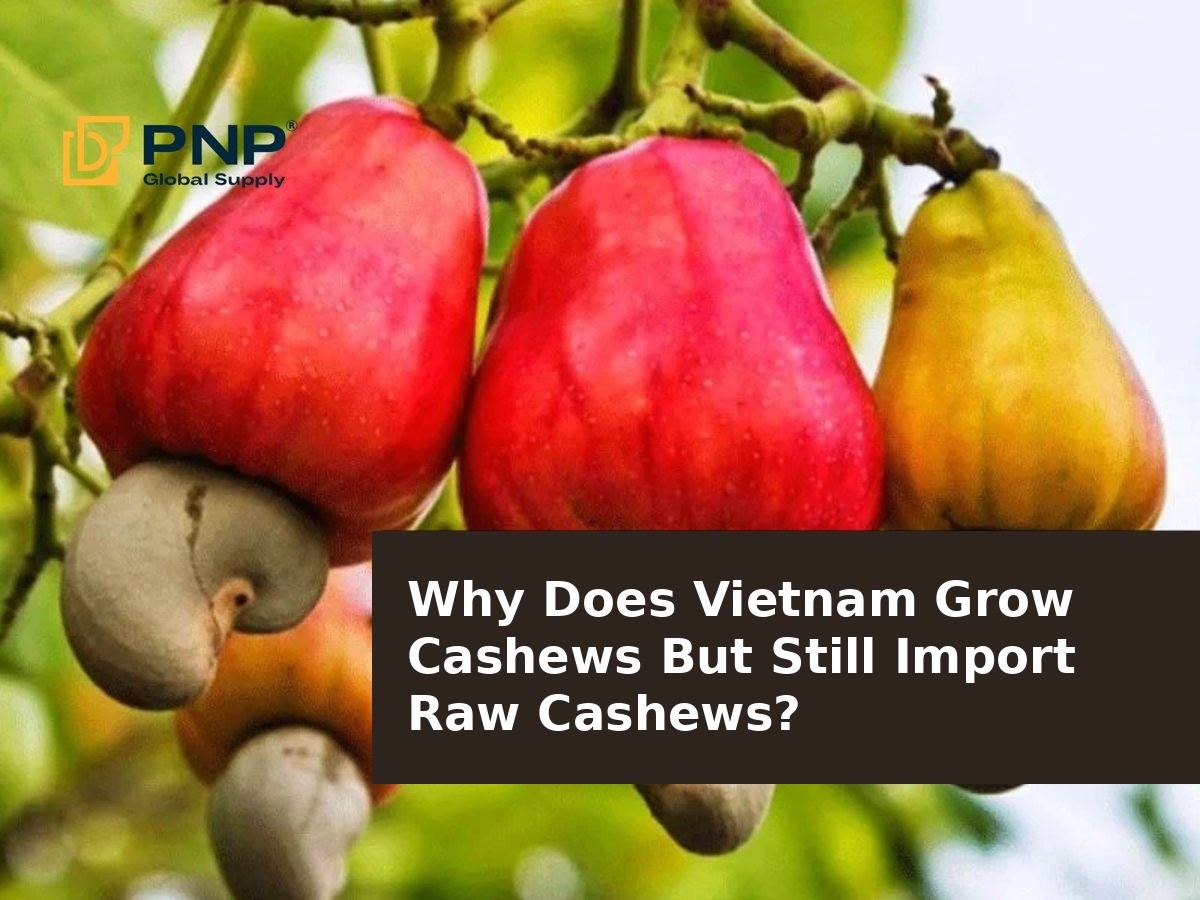
Chapter 08 covers edible fruit and nuts. Heading 0801 includes coconuts, Brazil nuts, and cashew nuts. For cashews covered by this heading, the distinction between in-shell and shelled products is important when determining the relevant subheading.
When declaring goods in Vietnam, businesses should consult the current tariff schedule and import-export goods nomenclature to identify the detailed national code matching the product.
A code found online or used for a previous shipment should not automatically be applied to every cashew product. If the processing method, ingredients, or condition of the goods changes, the classification may need to be reviewed.
4. HS Classification for Raw In-Shell Cashews
Raw cashews commonly refer to nuts that retain their hard outer shells and have not undergone further processing. They are an important input for the cashew processing industry.
Before choosing an HS code, businesses should establish the condition, origin, specifications, and treatment or processing applied to the goods.
For companies importing raw cashews into Vietnam for processing, classification is relevant not only to the customs declaration but also to applicable goods management policies and specialized procedures, where required.
The description “raw cashew nuts” or another commercial name on a contract is not the sole basis for classification. Customs may consider the actual product characteristics and supporting documents.
5. HS Classification for Exported Cashew Kernels
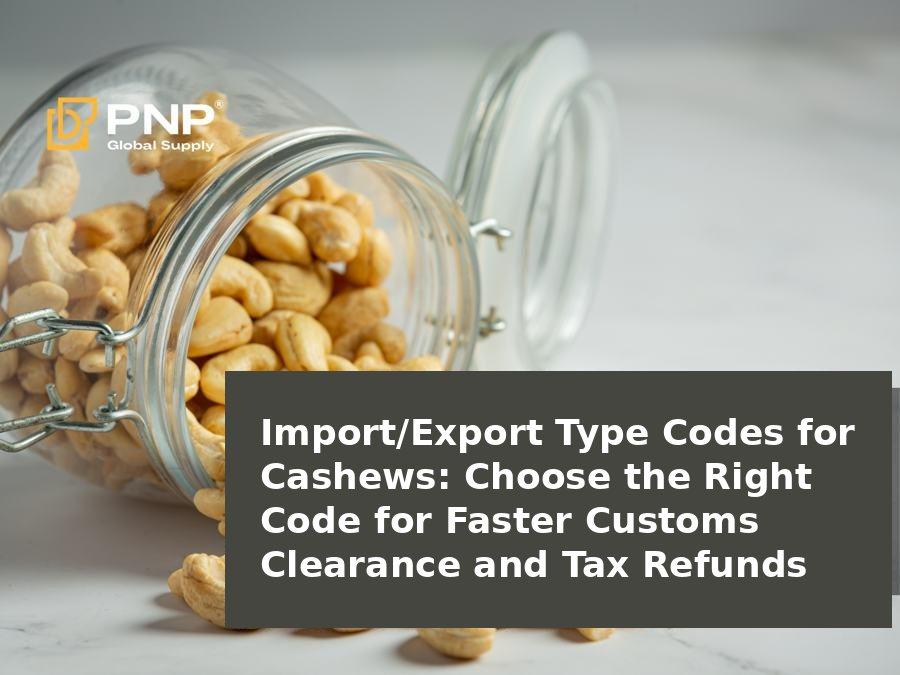
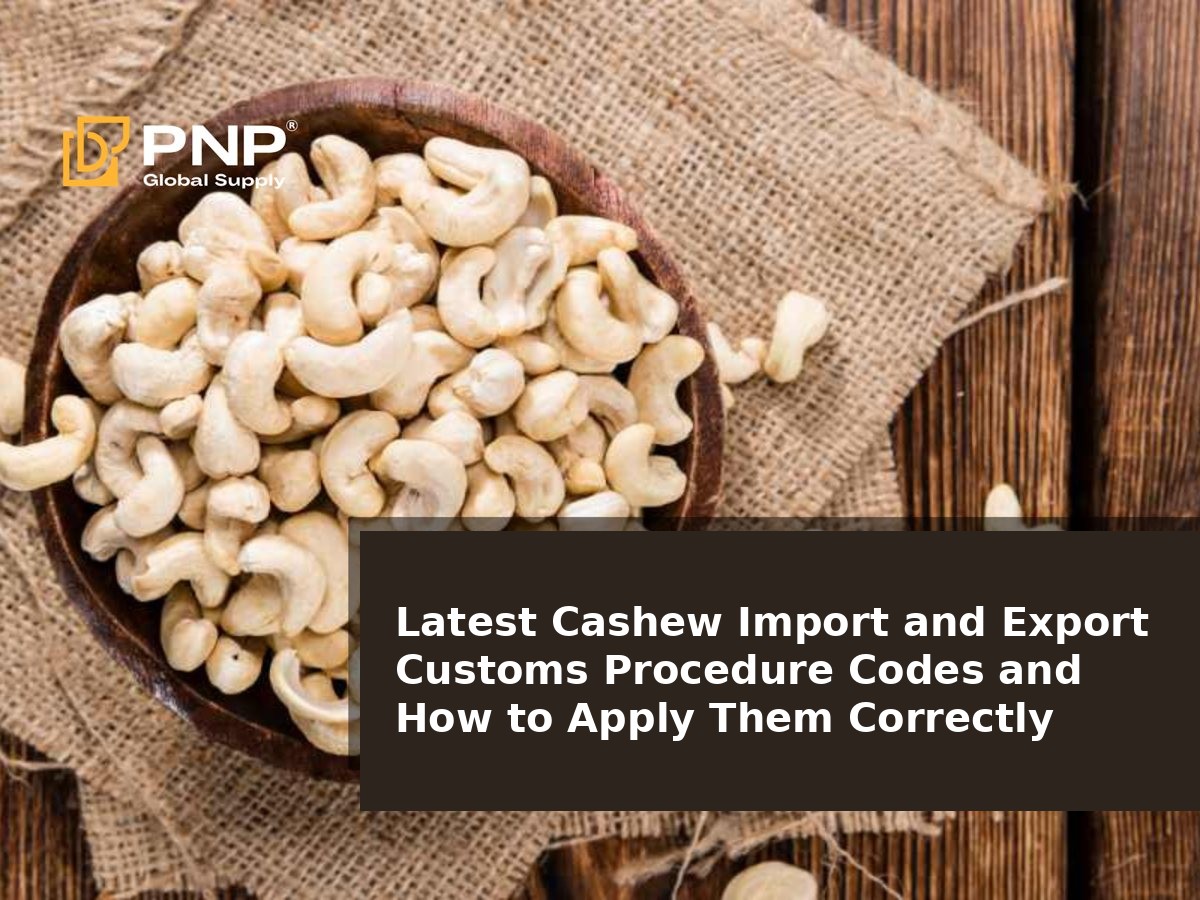
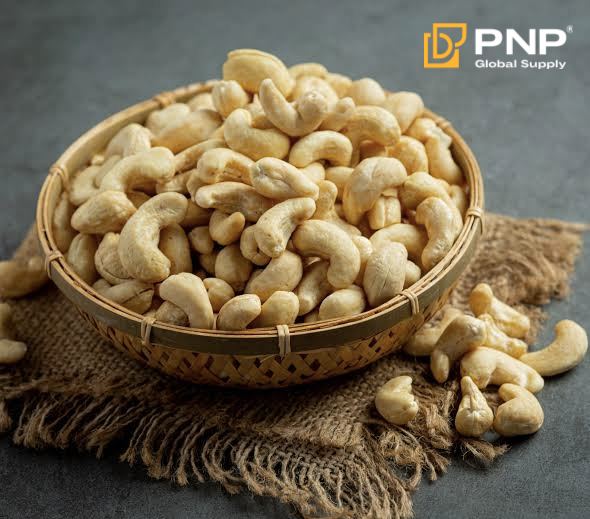
Cashew kernels are nuts whose hard shells have been removed. Export products may undergo different preparation or processing stages and represent an important part of the cashew trade.
When declaring kernels, businesses should clearly identify whether the goods are unroasted, roasted, seasoned, or otherwise prepared. These differences can affect classification.
For shelled kernels that have not been roasted or otherwise prepared, businesses should review the corresponding description in the current tariff schedule. Roasted, salted, seasoned, or other prepared cashew products may fall under a different heading depending on their composition and processing method.
A specific product description is therefore more useful than a general reference to “cashew nuts” when determining the appropriate HS code.
6. Information Needed Before Looking Up a Cashew HS Code
Businesses should collect complete product information before beginning the classification process.
Start with the product name in Vietnamese and English. The name should reflect the actual goods, such as raw in-shell cashews, shelled kernels, roasted kernels, or prepared cashew products.
Next, establish the condition of the goods: in-shell or shelled, whole or broken, roasted or unroasted, and salted, seasoned, or unseasoned.
Product composition, processing method, intended use, and packaging should also be reviewed where they are relevant to classification.
Having these details available makes it easier to match the goods to the tariff description and reduces the risk of selecting a code based only on a trade name.
7. How to Look Up the HS Code for Cashew Products
Begin by identifying the relevant chapter and reviewing its scope. For cashews that fall within the fruit and nut category, Chapter 08 is the starting point.
Then review the heading and subheading descriptions against the actual product characteristics. The tariff wording should be compared with the goods, rather than used as a substitute for understanding the product.
For processed products, assess the level of preparation and ingredients to determine whether they remain within the ordinary cashew category or should be classified as another prepared product.
Finally, verify the detailed code applied in Vietnam and check the tax and goods management policies effective when the shipment is declared. This process matters because classification can directly affect both documentation and shipment costs.
8. How Do HS Codes Affect Import and Export Taxes?
HS classification is commonly used as a basis for identifying the applicable tax rate under the relevant tariff schedule.
Depending on the product and direction of trade, businesses may need to review export duty, import duty, value-added tax, and related policies.
For imports, the chosen code can affect the import duty payable. For exports, businesses should check whether the product is subject to export duty rather than assuming that all cashew products receive the same treatment.
Classification can also help determine whether specialized management, quality inspection, or other requirements apply. The code should therefore be considered together with the relevant policy, not only as a tax reference.
9. Common Mistakes When Looking Up Cashew HS Codes
One common mistake is searching for “cashew nuts” and immediately using the first code displayed online. The same trade name may cover goods with different physical conditions or processing methods.
Another mistake is copying the code from an old shipment without checking a new product. Changes in processing or ingredients can change the appropriate classification.
Vague descriptions on commercial documents also create problems. Describing the goods only as “cashews” does not explain whether they are in-shell, shelled, roasted, or unroasted.
Businesses should also review the current tariff schedule and applicable policies. Requirements can change, so information should be checked for the time of declaration.

10. The Role of Supporting Documents in HS Classification
Businesses should retain documents supporting their classification, including commercial contracts, invoices, packing lists, catalogues, technical specifications, and product photographs.
For exported kernels, invoice and packing-list descriptions should match the actual goods. Roasting, seasoning, or other preparation should be clearly stated where applicable.
Consistent descriptions help support customs declarations and reduce the risk of disputes between the business, its customers, and transport providers.
11. What Should Cashew Producers in Binh Phuoc Consider?
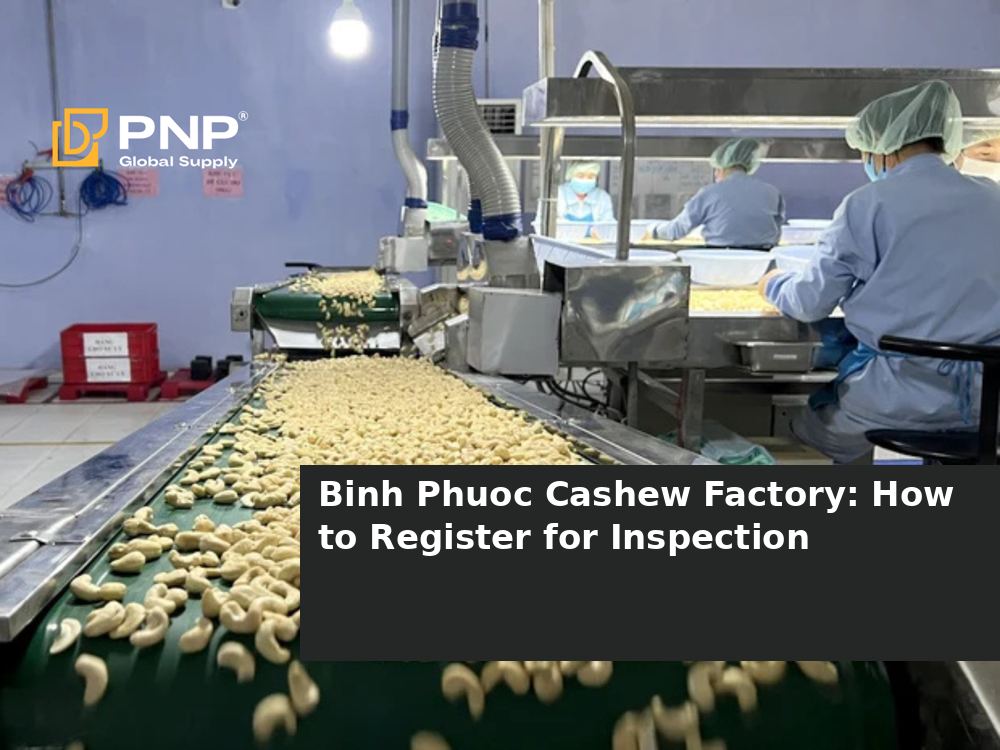
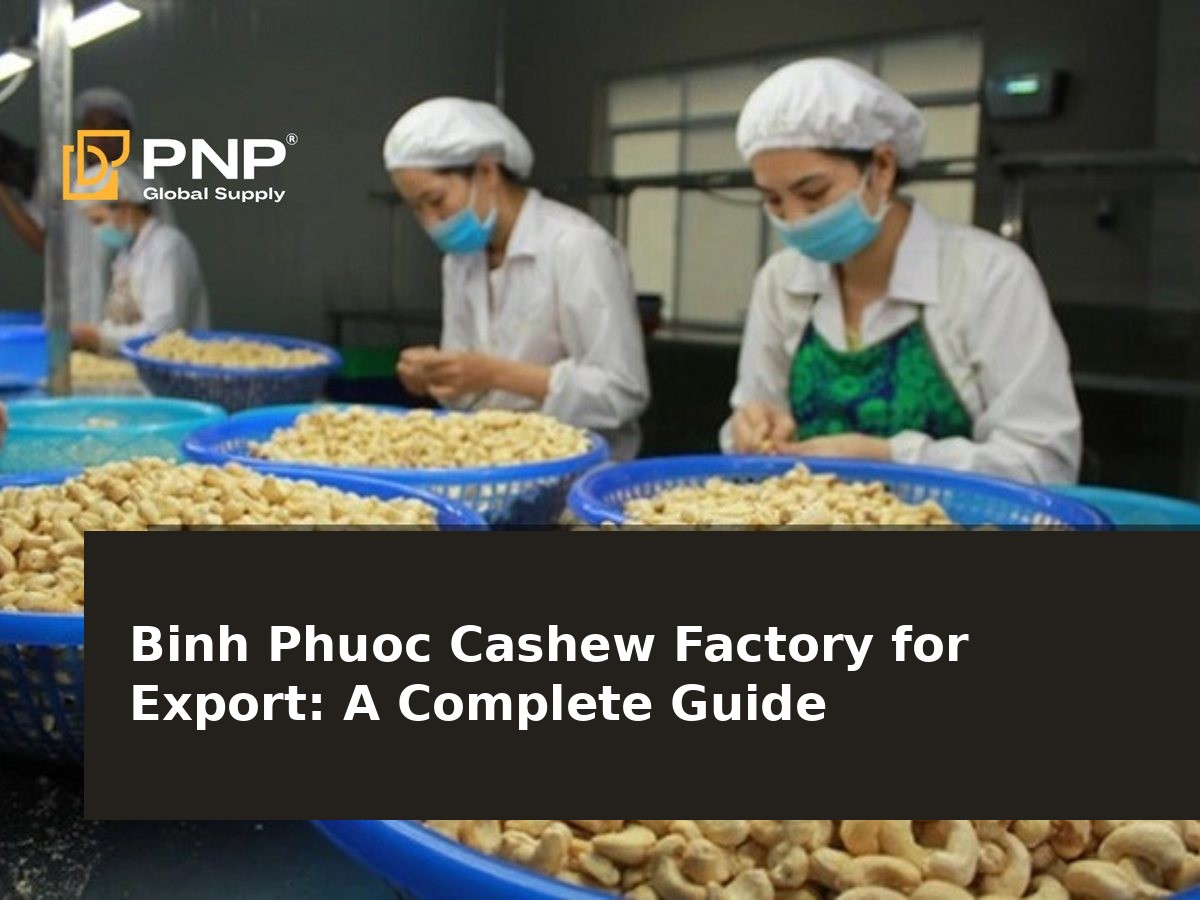
Binh Phuoc is well known for Vietnam’s cashew industry, including growing areas, processing facilities, and export businesses.
A producer entering export markets should pay particular attention to classification before declaring goods. The same company may sell raw cashews, unroasted kernels, roasted nuts, seasoned products, and other prepared cashew foods.
Each product should be described accurately and reviewed for the appropriate HS code. One code should not be applied to the entire range simply because every product contains cashews.
For manufacturers that also export, standardizing product information from catalogue preparation through inventory management helps make customs documentation more consistent.
12. How Should Cashew Exporters Work with Logistics Providers?
Apart from HS classification, exporters need to handle supporting documents, customs declarations, inland transportation, container bookings, and port procedures.
An agricultural logistics provider can help review shipment information, coordinate documents, and carry out related procedures.
However, businesses remain responsible for the accuracy of the product information they provide. A logistics provider cannot replace the company’s own confirmation of the nature and specifications of its goods.
Conclusion
Understanding HS codes helps businesses prepare customs procedures and assess shipment costs more effectively. In the cashew industry, classification should reflect the actual condition and degree of processing of each product.
Exporters should distinguish unroasted kernels from roasted, seasoned, and otherwise prepared products. Raw in-shell cashews and other processed cashew goods should also be assessed separately.
For cashew producers in Binh Phuoc and businesses elsewhere, standardized product information, consistent documents, and a structured lookup process reduce the risk of declaration errors. If a classification remains uncertain, consult the applicable tariff schedule and a qualified specialist rather than relying on a general product name.
Contact us:
Facebook: PNP Logistics
Phone: 039 880 2946
Email: info@pnpglobalsupply.com