Import plant quarantine procedures are mandatory for many types of plant-based goods imported into Vietnam. The purpose is to prevent harmful organisms from entering and spreading, protect domestic agriculture, ensure biosafety, and comply with Vietnam’s plant protection and quarantine regulations.
For import and export businesses, understanding the import plant quarantine process helps goods clear customs faster and reduces additional costs such as container demurrage, storage fees, or re-export risks when goods do not meet quarantine requirements.
1. Items Subject to Import Plant Quarantine
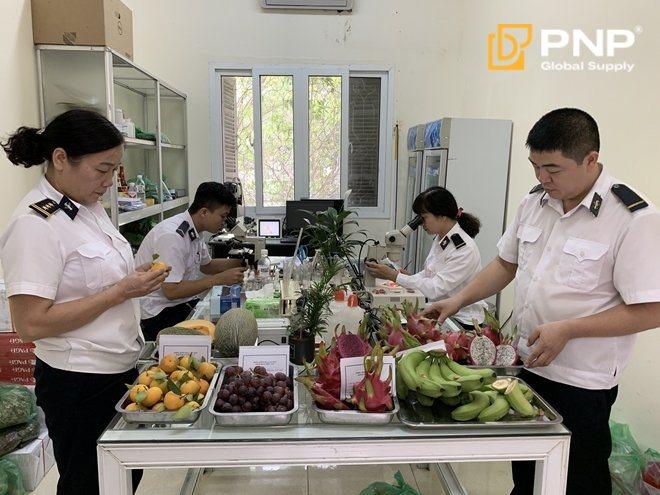
Items on the quarantine list or goods at risk of carrying harmful organisms must undergo quarantine procedures before customs clearance. Common items include plant seeds, raw cashew nuts, unprocessed coffee beans, wood and wood products, fresh fruits, vegetables, grains, plant-based animal feed, and agricultural raw materials.
For high-risk items or goods imported for the first time from countries that have not been assessed for pest risk, businesses may also need to obtain an import phytosanitary permit before shipment to Vietnam.
2. Import Plant Quarantine Regulations Businesses Should Know
Businesses must register for quarantine with the plant quarantine authority before the goods arrive or as soon as the shipment reaches the border or port. The documentation must include a phytosanitary certificate issued by the competent authority of the exporting country.
3. What Documents Are Required for Import Plant Quarantine Registration?
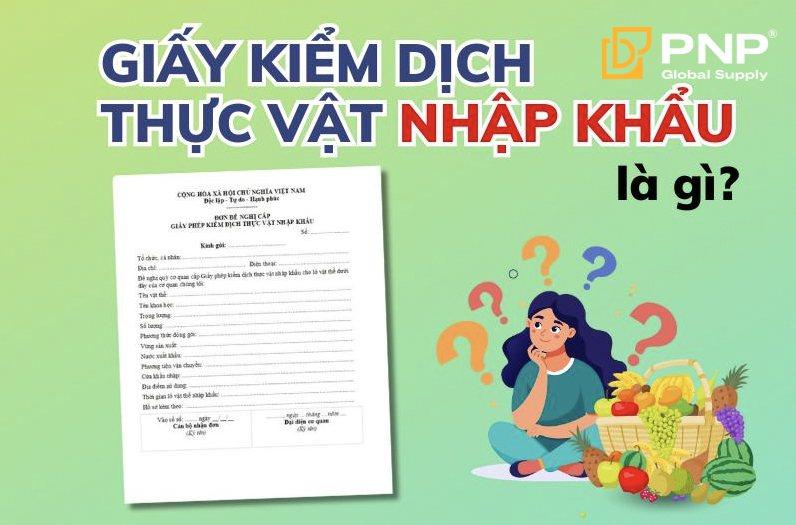
Documents often include the plant quarantine registration form, commercial contract, commercial invoice, packing list, bill of lading, customs declaration if applicable, phytosanitary certificate issued by the exporting country, and import plant quarantine permit for regulated items.
4. Detailed Import Plant Quarantine Procedures
4.1 Step 1: Determine Whether the Goods Are Subject to Quarantine
Before importing goods, businesses need to check whether the products are on the list of items subject to plant quarantine.
4.2 Step 2: Obtain an Import Phytosanitary Permit if Required
If the product requires a permit, businesses submit the application to the competent authority for review based on origin, pest risk, and technical requirements.
4.3 Step 3: Prepare the Phytosanitary Certificate in the Exporting Country
Before export, the quarantine authority in the exporting country inspects the shipment and issues a phytosanitary certificate if the goods meet pest safety requirements.
4.4 Step 4: Register for Import Plant Quarantine
When the shipment arrives, businesses register at the regional Plant Quarantine Sub-Department or through the National Single Window Portal.
4.5 Step 5: On-site Inspection and Sampling
Quarantine officers compare documents with the actual goods, inspect packaging and storage conditions, and take samples if needed. If pests are found, authorities may require fumigation, re-export, or destruction.
4.6 Step 6: Issuing the Phytosanitary Certificate
After inspection confirms compliance, the authority issues the Import Phytosanitary Certificate, which supports customs completion and legal circulation in Vietnam.
5. Tips to Shorten Customs Clearance Time
Businesses should check whether their goods require an import phytosanitary permit, request the correct phytosanitary certificate from foreign partners, prepare documents before arrival, monitor inspection schedules, and coordinate closely during sampling.
6. PNP Logistics – Full Support for Import Plant Quarantine Procedures
PNP Logistics provides comprehensive logistics and import-export services, supporting clients from import policy consulting, HS code checking, document preparation, quarantine registration, coordination with quarantine authorities, and customs completion.
Conclusion
Strict compliance with import plant quarantine procedures is essential for smooth customs clearance and legal circulation of goods in Vietnam. Choosing an experienced logistics company such as PNP Logistics can help businesses save time, reduce costs, and improve import efficiency.
Contact us:
Facebook: PNP Logistics
Phone: 039 880 2946
Email: info@pnpglobalsupply.com