Currently, Vietnam is the world leader in cashew processing and export. However, to maintain high production volumes to serve the international market, many businesses are forced to increase their output.Importing raw cashew nutsfrom abroad to serve hproduction activities. This is closely linked to the model.Import raw materials for export production., in which businesses import raw materials, process them, and export finished products such as cashew nuts orCashew nut shells for exportTo implement this effectively, businesses need to understand it thoroughly.Procedures for registering export-oriented productionas well as regulations related to import and export activities. This article will help you understand in detail why Vietnam has to import raw cashews to export processed cashews and how to optimize business operations in the cashew industry.
Procedures for registering export-oriented production types.
1. Overview of the current state of the Vietnamese cashew industry.
The cashew industry is one of Vietnam’s key agricultural export sectors, with export revenue reaching billions of USD annually. Vietnamese cashew products are currently present in over 90 countries and territories. In particular, products such as white cashew kernels, roasted salted cashews, and cashew nuts from Binh Phuoc are consistently highly regarded for their quality.
However, despite possessing a modern processing industry, domestic cashew raw material sources are insufficient to meet the growing production demand. The area under cashew cultivation in Vietnam is trending downwards while the processing plant capacity is rapidly increasing. This is why importing raw cashews has become a crucial solution to maintain production and ensure supply for the export market.
2. Why Does Vietnam Import Raw Cashew Nuts and Export Cashew Kernels?
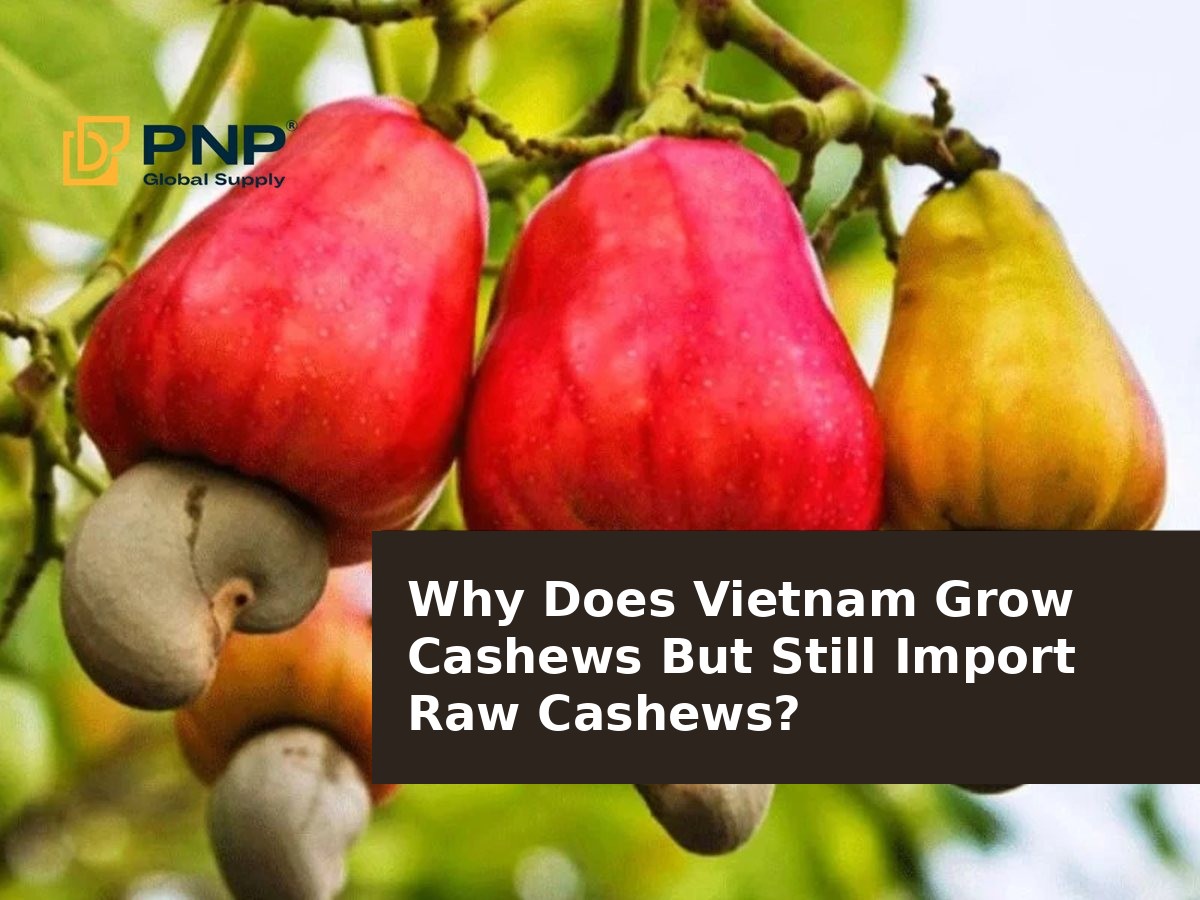
Many people wonder: Vietnam is one of the world’s largest exporters of cashew kernels, so why does it still import large volumes of raw cashew nuts every year? In reality, this is a common development model in Vietnam’s cashew industry, allowing businesses to leverage their processing advantages and maximize export value. Below are the main reasons:
2.1. Domestic Raw Material Supply Cannot Meet Production Demand
Although Vietnam has cashew-growing regions across many provinces, total domestic raw cashew production is still insufficient to meet the rapidly expanding processing capacity of local enterprises. At the same time, the demand for raw materials to support exports continues to increase, causing seasonal shortages in domestic supply.
To maintain stable factory operations and ensure on-time delivery schedules, businesses must source additional raw materials from international markets.
2.2. Vietnam Has Strong Advantages in Cashew Processing Technology
The greatest strength of Vietnam’s cashew industry is not agricultural output but processing capability. Over the years, Vietnamese enterprises have invested heavily in machinery systems, shelling technology, grading processes, quality control, and export standards.
As a result, Vietnam can transform raw cashew nuts into high-quality cashew kernels with efficient recovery rates and significantly higher commercial value than the original raw materials.
2.3. Imported Raw Cashew Nuts Offer Large Supply and Competitive Pricing
African countries such as Ivory Coast, Ghana, Nigeria, and Tanzania are currently among the world’s leading suppliers of raw cashew nuts. These markets provide abundant production volumes and stable supply capacity.
Importing raw cashew nuts allows Vietnamese businesses to better manage procurement plans, reduce pressure on domestic raw material competition, and optimize input costs during different market periods.
2.4. Ensuring Continuous Production and Export Activities
The cashew processing industry relies heavily on a consistent supply of raw materials. Without sufficient input materials, businesses may face reduced production capacity, increased operating costs, and delayed delivery schedules.
Importing raw cashew nuts enables factories to operate year-round rather than depending solely on domestic harvest seasons, helping maintain stable export output.
2.5. Increasing Added Value Through the Import – Processing – Export Model
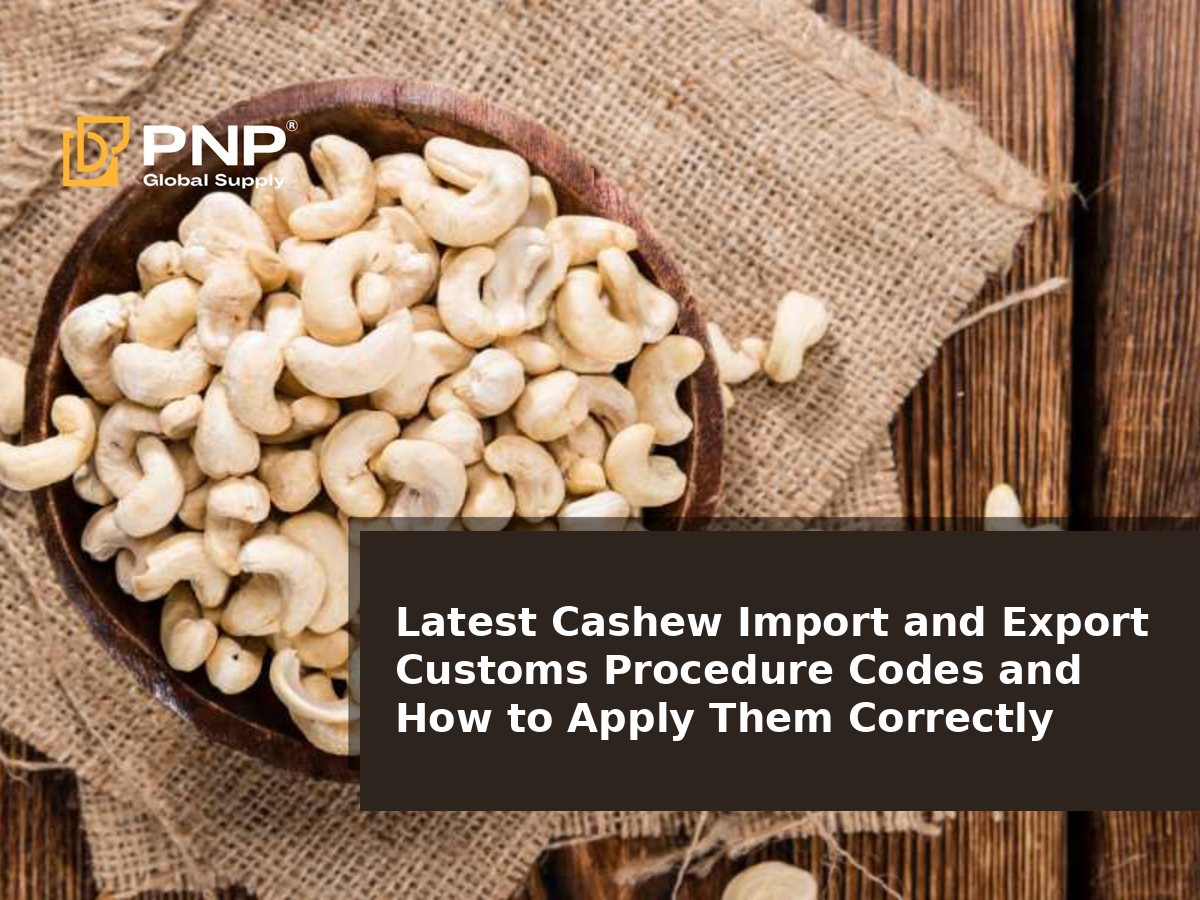
After being imported, raw cashew nuts are processed into cashew kernels and other value-added products before being exported to international markets. This model is widely used in agricultural processing industries because it creates greater economic value compared to exporting raw materials directly.
By leveraging its processing strengths, Vietnam has become an important global hub for cashew kernel processing and exports, playing a significant role in the global cashew supply chain.
Vietnam imports raw cashew nuts.
3. Registration Procedures for the Export Processing Model in the Cashew Industry
To import raw materials and export finished products, businesses must comply with the registration procedures for the export processing model in accordance with customs regulations.
First, companies need to register information related to production facilities, warehouses, and raw material management systems with the relevant authorities. Registration documents typically include a business license, factory information, production processes, and supporting documents that demonstrate operational capability.
Once approved, businesses are allowed to import raw cashew nuts for manufacturing purposes. During operations, companies must strictly manage imported raw materials, production consumption norms, and export volumes to support customs finalization and compliance requirements.
Following the proper registration procedures for the export processing model not only ensures legal operations but also allows businesses to benefit from tax incentives applied to imported materials used for export production.
4. Raw Cashew Nut Import and Cashew Kernel Production Process
After completing the registration procedures for the export processing model, businesses proceed to sign purchase agreements with international suppliers to import raw cashew nuts.
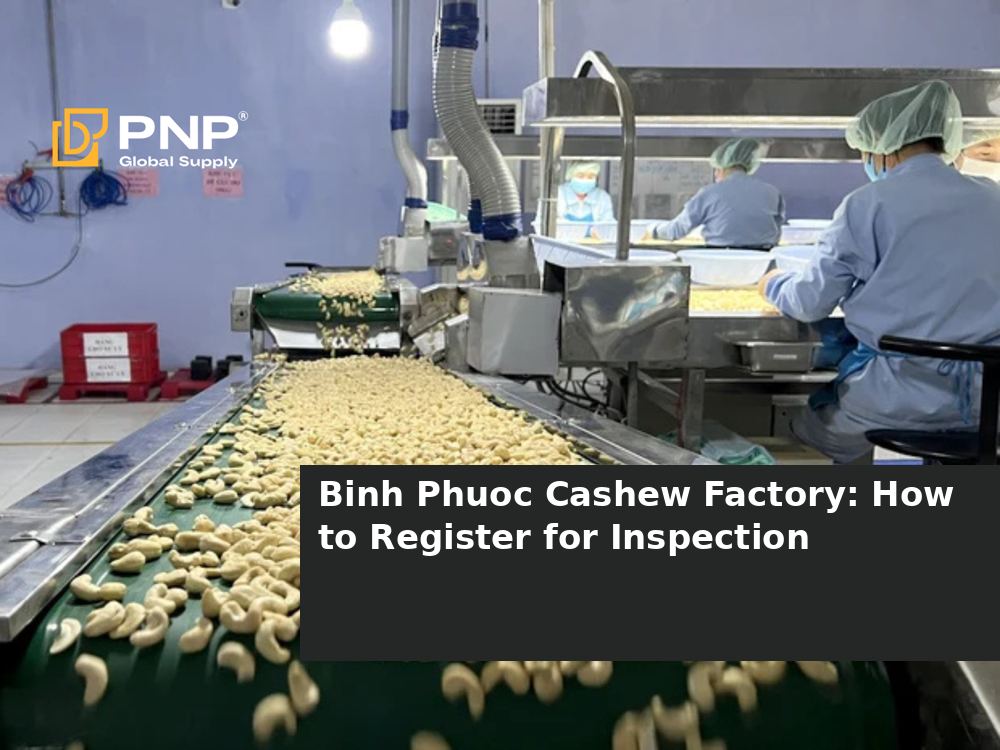
Once the shipment arrives at the port, companies must complete customs clearance, phytosanitary inspection, and transportation to the processing facility. Raw cashew nuts are then moved into the production line for shelling, drying, peeling, and kernel grading.
During processing, besides the main output of cashew kernels, several by-products also generate considerable economic value. One example is exported cashew testa (cashew skin), which is used in various industries or as a raw material for other manufacturing applications.
After completing processing and quality inspection, cashew kernels are packaged and exported to international markets such as the United States, Europe, Japan, and the Middle East.
To optimize the raw cashew import and cashew kernel export process, businesses can partner with PNP Logistics—a provider of logistics solutions, customs declaration services, transportation, and import–export procedure support. With experience in international supply chains, PNP Logistics helps businesses improve operational efficiency, maintain delivery schedules, and reduce logistics pressure throughout the export process. Visit the website to explore solutions tailored to your business needs.
5. Binh Phuoc Export Cashew and Competitive Advantages
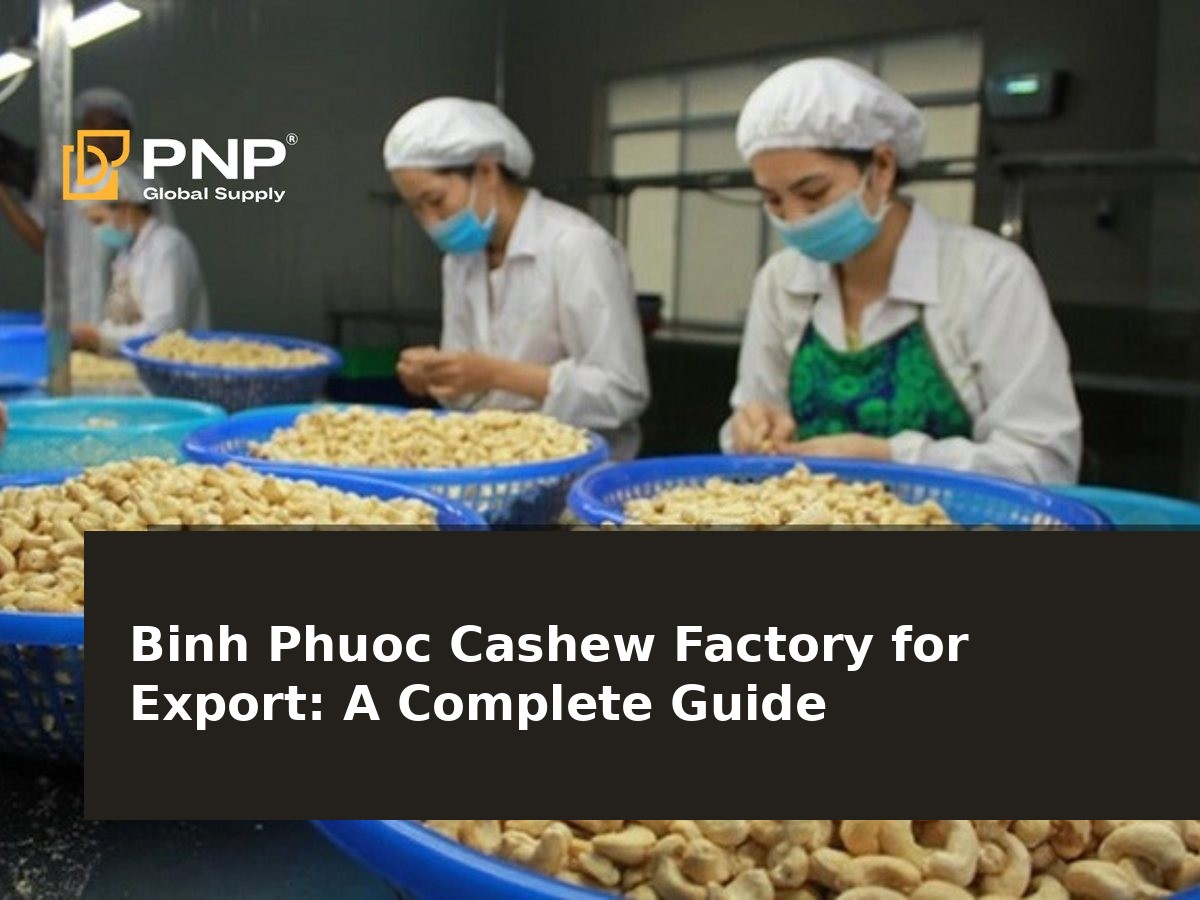
When discussing Vietnam’s cashew industry, it is impossible to overlook the reputation of Binh Phuoc export cashew. Binh Phuoc is widely recognized as the “cashew capital” of Vietnam, known for producing high-quality cashew products that are highly regarded in international markets.
Today, businesses in Binh Phuoc not only utilize domestic raw materials but also combine imported raw cashew nuts to expand production capacity. Supported by modern processing technology and years of industry experience, cashew products from the region consistently meet international quality standards.
In addition, strengthening the brand value of Binh Phuoc export cashew helps enterprises increase product value and enhance competitiveness in the global marketplace.
Cashew nuts from Binh Phuoc for export and their competitive advantages.
Conclude
As can be seen, theImporting raw cashew nutsProducing and exporting cashew kernels is an inevitable trend for Vietnam’s cashew industry today. Thanks to the model of importing raw materials for export production, businesses can proactively secure supply sources, maintain stable production, and enhance competitiveness in the international market.
However, to operate effectively, businesses need to understand the procedures for registering export-oriented production, invest in processing technology, and optimize raw material management. Simultaneously, leveraging the value of by-products such as cashew nut shells for export and building a brand for Binh Phuoc cashews for export will be key to sustainable business development in the future.