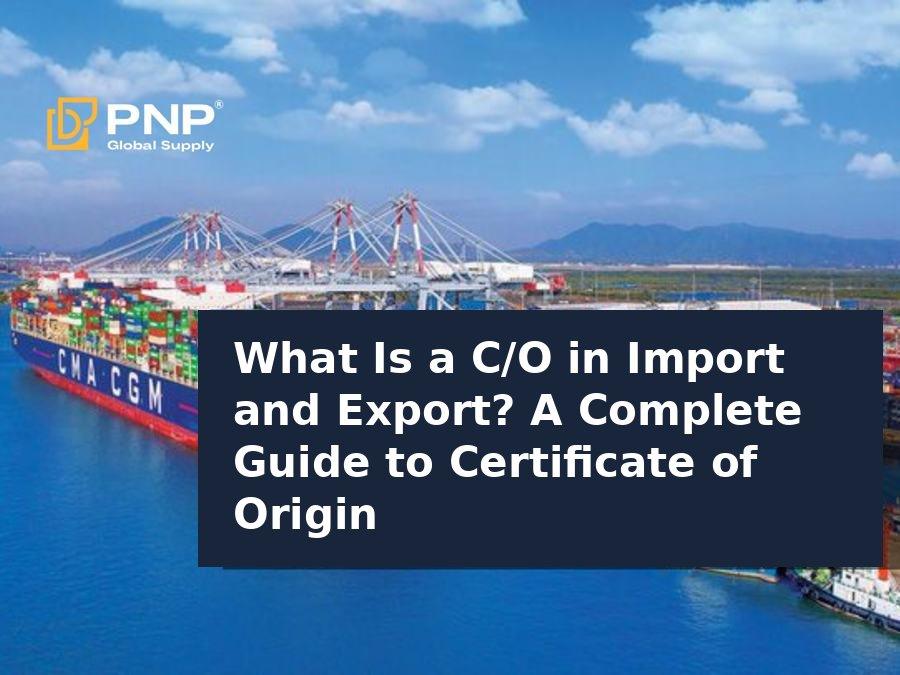
The cashew kernel export process involves several important steps, including document preparation, customs clearance, phytosanitary inspection for export shipments, and obtaining a Certificate of Origin (C/O). For businesses engaged in Vietnam’s cashew export industry, understanding the export process helps ensure smooth customs clearance and compliance with importing country requirements. This article provides a detailed guide to the procedures and documentation needed for efficient cashew kernel exports.
Cashew Kernel Export Process
1. Overview of Vietnam’s Cashew Kernel Export Industry
1.1. The Role of Cashew Kernels in Vietnam’s Cashew Exports
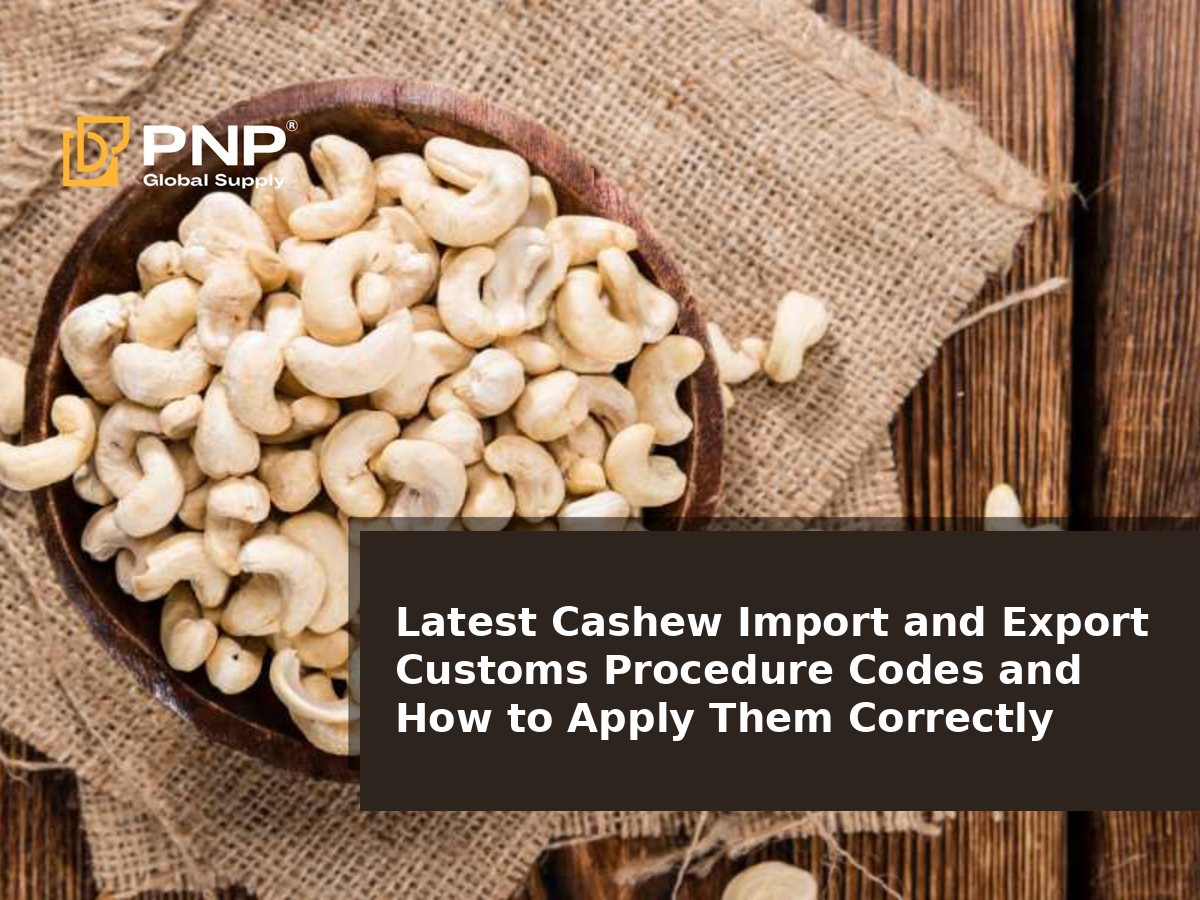
Vietnam is one of the world’s leading exporters of cashew kernels, supplying products to major markets across the globe. Cashew kernels play a vital role in Vietnam’s cashew export industry due to growing international demand and their high economic value.
1.2. Cashew Kernel Supply from Major Production Regions
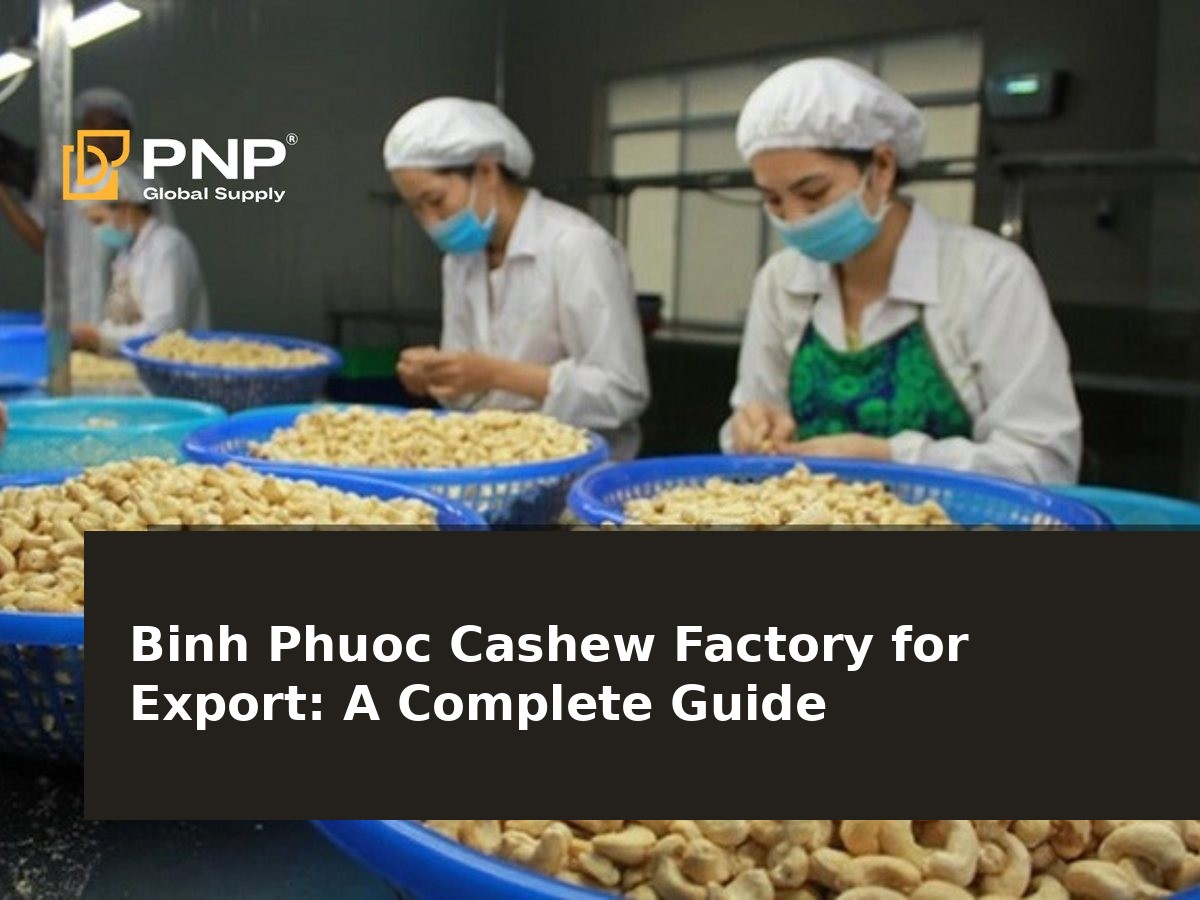
Binh Phuoc is considered the capital of Vietnam’s cashew industry.
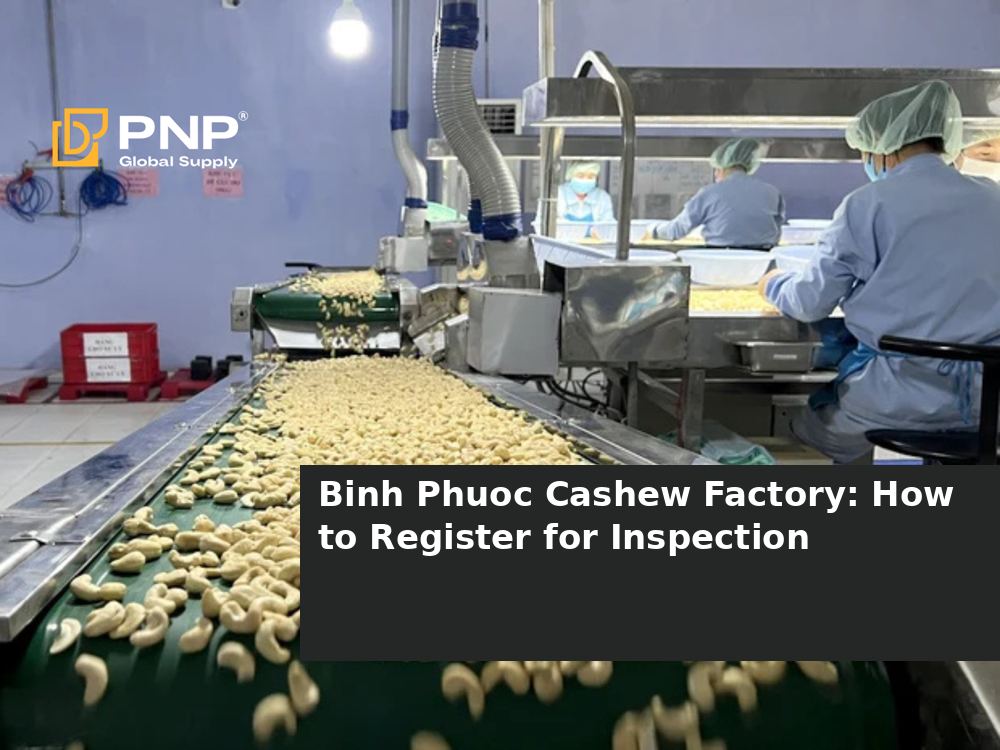
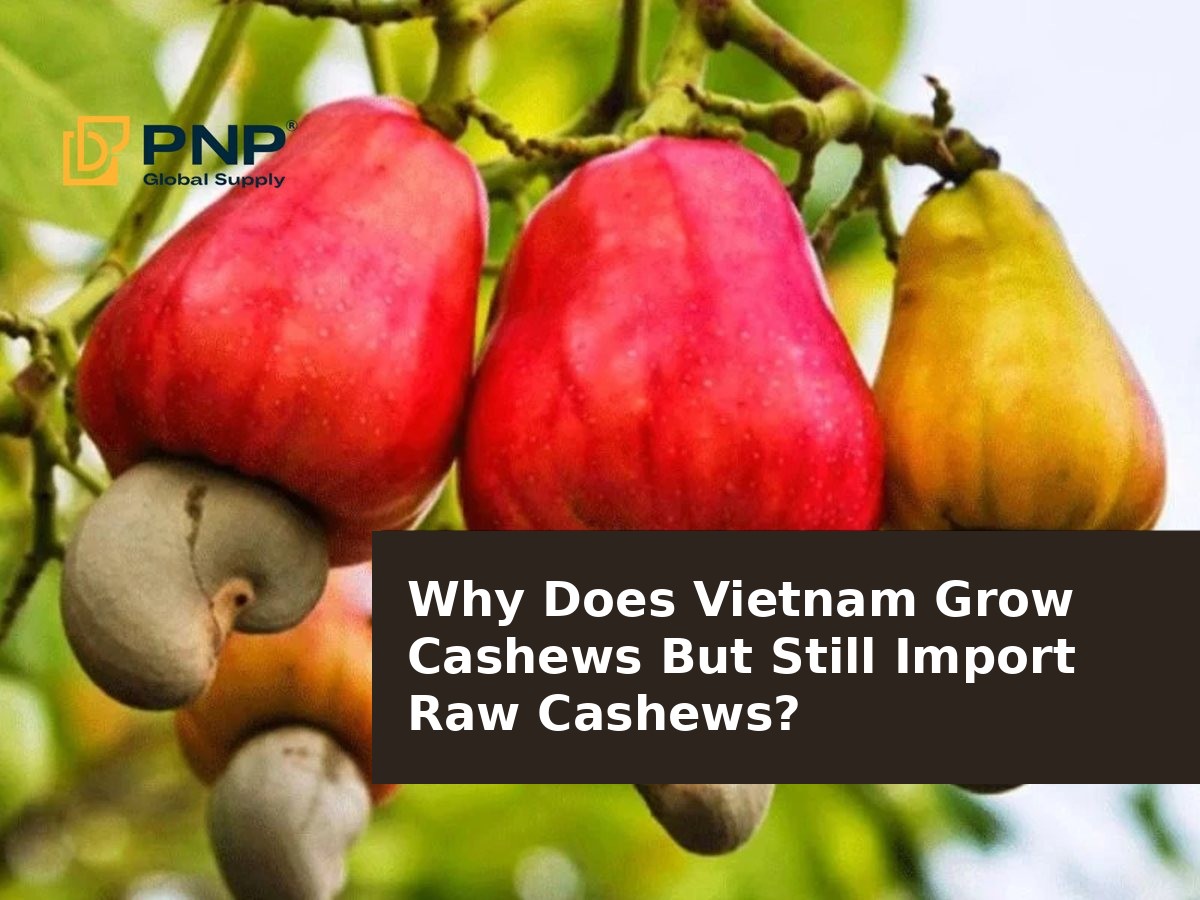
Cashews from Binh Phuoc are a key source of raw materials for Vietnam’s cashew sector and support numerous large-scale processing factories. In addition to domestic supplies, many companies import raw cashew nuts to produce cashew kernels for export markets.
2. Cashew Kernel Export Process: Step-by-Step Guide
5-Step Cashew Kernel Export Process.
2.1. Prepare Goods and Export Documentation
- Inspect cashew kernel quality according to customer specifications and import market standards.
- Classify products based on size, color, broken kernel ratio, and other quality criteria.
- Package and label goods according to the terms agreed upon in the sales contract.
- Prepare essential export documents, including the Sales Contract, Commercial Invoice, and Packing List.
2.2. Register for Export Phytosanitary Inspection
- Submit an application for phytosanitary inspection to the competent authority.
- Provide shipment details, including quantity, product type, export location, and destination market.
- The phytosanitary authority may review documents or conduct a physical inspection of the shipment when required.
- Upon successful inspection, a Phytosanitary Certificate will be issued and added to the export document package.
2.3. Complete Export Customs Procedures
- Submit the export customs declaration through the electronic customs system.
- Provide supporting documents such as the Commercial Invoice, Packing List, Sales Contract, and Phytosanitary Certificate (if required).
- Customs authorities review the declaration and conduct risk classification procedures.
- Once all requirements are met, the shipment is cleared for export.
2.4. Apply for a Certificate of Origin (C/O)
- Prepare the application dossier according to the C/O form required by the importing country.
- Submit documents proving the origin of the exported goods.
- File the application with the authorized C/O issuing organization.
- After approval, receive the Certificate of Origin (C/O), which helps complete the export documentation package and may allow importers to benefit from preferential tariff treatment.
2.5. Arrange Transportation and Complete Delivery
- Book shipping space, containers, or other suitable transportation methods based on the agreed Incoterms.
- Deliver the cargo to the shipping line or logistics provider according to the shipment schedule.
- Obtain the Bill of Lading and related transport documents.
- Send the complete set of export documents to the buyer according to the agreed payment and delivery terms.
3. Requirements and Documents Needed for Cashew Kernel Export
3.1. Export Requirements for Cashew Kernels
- Comply with Vietnam’s regulations on export activities.
- Meet food safety and quality standards required by the importing market.
- Follow packaging, labeling, and product specification requirements of the destination country.
- Complete phytosanitary inspections and origin-related procedures when required.
3.2. Essential Documents for Cashew Kernel Export
- Sales Contract between the exporter and importer.
- Commercial Invoice and Packing List.
- Phytosanitary inspection application and certificate.
- Export customs declaration.
- Certificate of Origin (C/O) when required by the importing market.
- Bill of Lading and other transportation-related documents.
4. Important Tips for a Smooth Cashew Kernel Export Process
- Ensure cashew kernels meet all quality, food safety, and import market requirements.
- Prepare export documents accurately, including the Invoice, Packing List, customs declaration, phytosanitary certificate, and Certificate of Origin.
- Follow phytosanitary inspection procedures, customs requirements, and other regulatory obligations carefully to avoid customs delays.
- For companies with limited export experience, working with professional logistics providers such as PNP Global Supply can simplify document preparation, customs clearance, and phytosanitary procedures while reducing risks and processing time.
5. Conclusion
Understanding the cashew kernel export process enables businesses to prepare the necessary documentation and complete phytosanitary inspections, customs procedures, and C/O applications in compliance with regulations. Following the correct export process not only facilitates smooth customs clearance but also improves operational efficiency and minimizes risks in international trade.