Many businesses have heard of factory audits but do not fully understand what they are, the process involved, or the required documentation. A clear understanding of factory audits, including procedures, documentation, evaluation criteria, and related requirements, helps businesses become more proactive when working with partners, inspection bodies, and meeting production and export standards.
What are Factory Audit and Factory Inspection?
What is a Factory Audit?
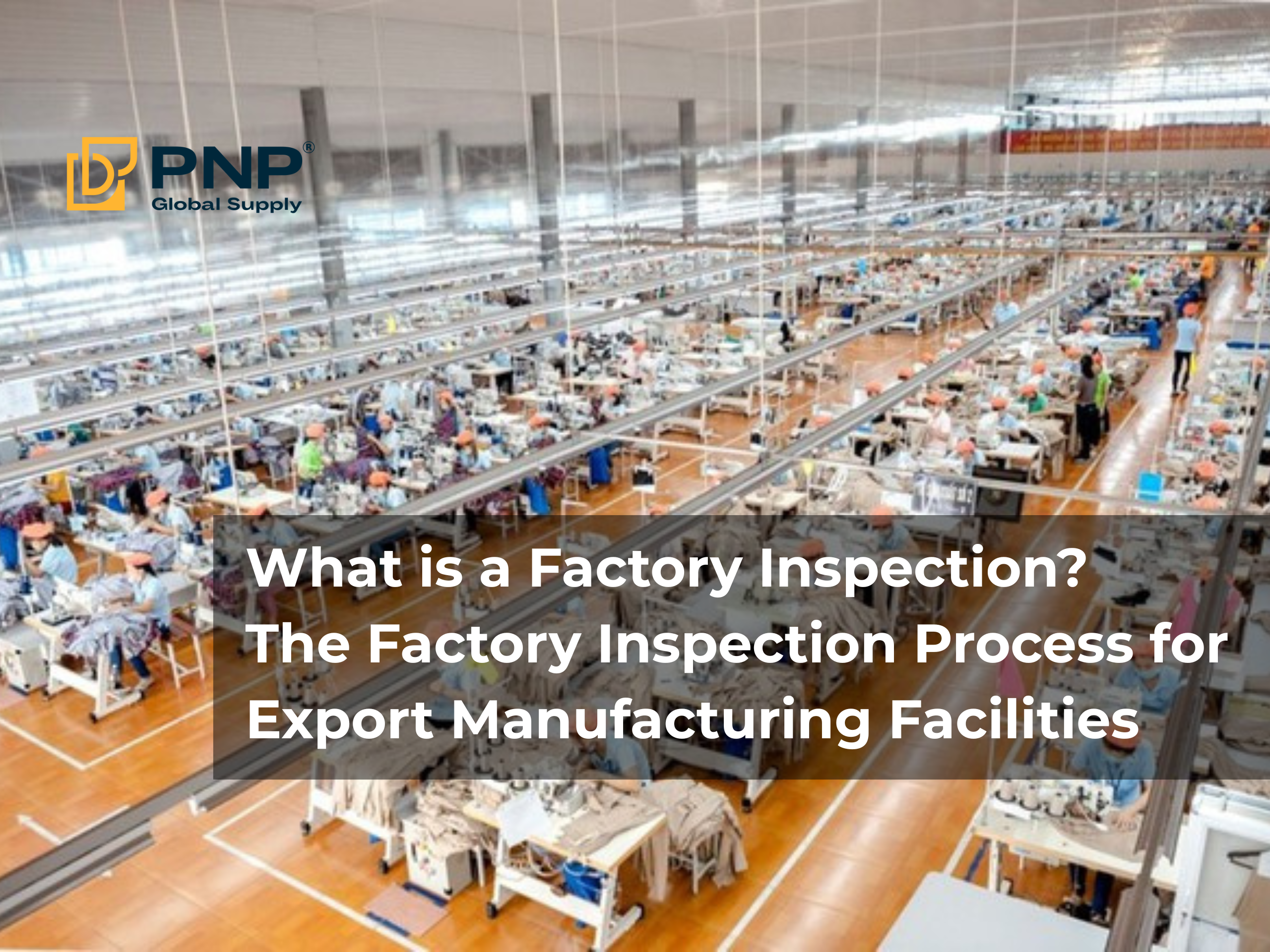
A factory audit is the process of evaluating a manufacturing facility in practice to assess production conditions, management systems, hygiene, safety, and the ability to meet customer or partner requirements. This activity may be conducted by customers, third-party auditors, or relevant authorities. It typically covers infrastructure, production processes, quality control, and operational stability. Businesses often require factory audits when working with new partners, joining supply chains, receiving export orders, or demonstrating production capability.
What is a Factory Inspection?
A factory inspection is the activity of examining and evaluating a factory based on specific standards or requirements to determine its level of safety, compliance, and operational suitability. Inspection content may include building structure, technical systems, machinery, occupational safety, fire prevention, and other technical requirements.
Differences Between Factory Audit and Factory Inspection
A factory audit provides a comprehensive assessment of the facility, including infrastructure, production processes, hygiene, safety, and the ability to meet partner requirements. In contrast, a factory inspection focuses more on technical aspects, safety, and compliance with specific standards or regulations.
What Does a Factory Audit Include?
A factory audit typically covers infrastructure, hygiene and environmental conditions, occupational safety and fire prevention, as well as production processes and quality control. The goal is to evaluate whether the factory is well-organized, clean, safe, and capable of consistently meeting production requirements.
What is the Factory Audit Process?
The factory audit process usually consists of four main steps to ensure a comprehensive evaluation of production capacity and compliance:
- Receiving audit requirements: Identify the purpose of the audit (supplier evaluation, customer audit, certification, etc.), scope, applicable standards (ISO, BSCI, or partner-specific requirements), and timeline.
- Preparing audit documentation: Businesses prepare necessary documents such as legal records, production processes, HR files, quality control systems, occupational safety, and fire safety documents. Pre-checking helps minimize errors.
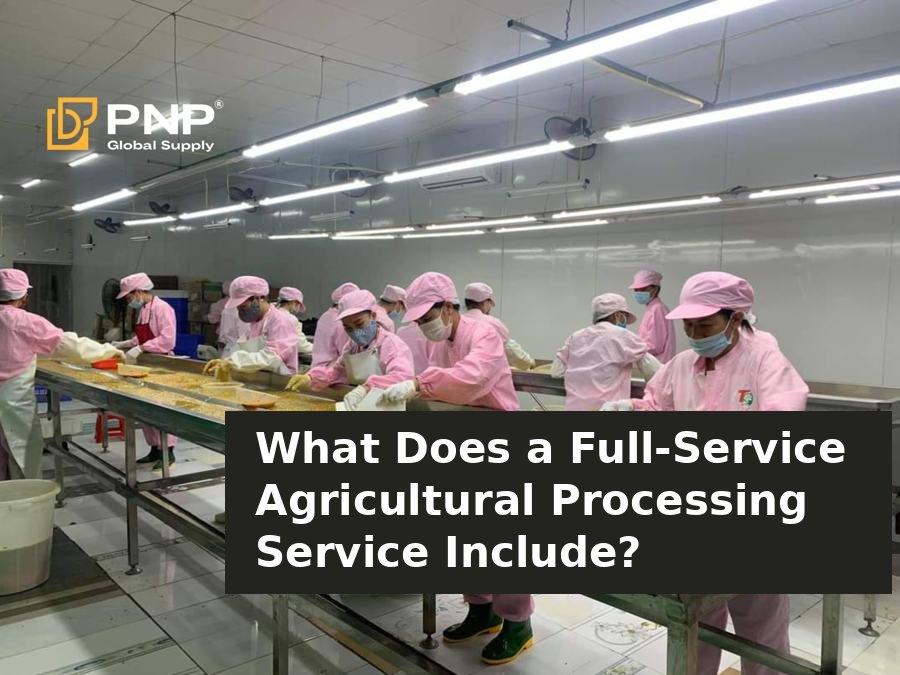
- On-site factory inspection: The audit team evaluates infrastructure, machinery, production processes, hygiene conditions, occupational safety, and may conduct employee interviews if needed. This step verifies actual conditions against documentation.
- Reporting and conclusion: After the audit, the evaluating body provides a report outlining strengths, non-conformities, and recommendations for improvement. Businesses use this to improve before working with partners.
This process helps businesses identify risks, improve capacity, and increase the likelihood of meeting supply chain requirements.
What Documents Are Required for a Factory Audit?
Factory audit documentation generally includes three main groups: legal documents, production and quality management records, and documents related to safety, hygiene, and environmental management. These help auditors assess legality, operational capability, and compliance levels.
What Are an Audited Factory and Factory Audit Staff?
An “audited factory” is a commonly used term referring to a facility undergoing evaluation based on certain standards or requirements. It is often confused with inspection agencies, but it actually refers to the factory being audited, not the auditing body.
Factory audit staff are responsible for inspecting facilities, production processes, hygiene, safety, and quality. They also assist in document preparation and report non-conformities. This role requires attention to detail, strong observation skills, knowledge of production processes, and reporting ability.
When Do Businesses Need a Factory Audit?
Businesses typically need factory audits before working with new partners, before exporting goods, when demonstrating production capability, or during periodic evaluations. These are critical moments to assess compliance and better prepare for business operations.
PNP Logistics provides professional factory audit services, helping businesses accurately assess production capacity, ensure quality standards, and enhance credibility. Visit the PNP Logistics website for detailed consultation.
Benefits of Factory Audits for Businesses
Factory audits help businesses improve professionalism, reduce production risks, meet customer requirements more easily, and enhance competitiveness in partnerships and export activities.
Important Notes When Preparing for a Factory Audit
When preparing for a factory audit, businesses should ensure complete documentation, maintain a clean and organized facility, review common issues in advance, and assign a responsible person to work with auditors. Proper preparation helps the audit process run smoothly, minimizes errors, and creates a professional impression.
Conclusion
In summary, a factory audit is a crucial step for evaluating facility conditions and actual production capacity. Proper preparation of documentation, processes, and operational conditions will ensure a smoother audit process and increase the ability to meet partner or regulatory requirements.