Cashew nuts are one of Vietnam’s key agricultural export products, contributing significantly to annual agricultural export revenue. To support smooth customs procedures, businesses need to identify the correct HS code for cashew nuts and apply the right management policies, tax rates, and related import-export requirements.
Declaring the wrong cashew HS code may delay customs clearance and can also lead to tax adjustments or administrative penalties. This article explains the common HS codes for cashew nuts, import and export taxes, and important notes for businesses trading cashew nuts for export.
1. What Is the HS Code for Cashew Nuts?
HS Code, or Harmonized System Code, is an internationally standardized classification code used to identify goods in import and export activities.
For the cashew industry, accurate HS code classification is important because it helps businesses:
- Determine export and import tax rates.
- Apply the correct specialized management policies.
- Make accurate customs declarations.
- Apply for certificates of origin (C/O).
- Complete plant quarantine procedures for agricultural products.
Each type of cashew product may have a different HS code depending on its level of processing.
2. HS Code for Unprocessed Cashew Nuts
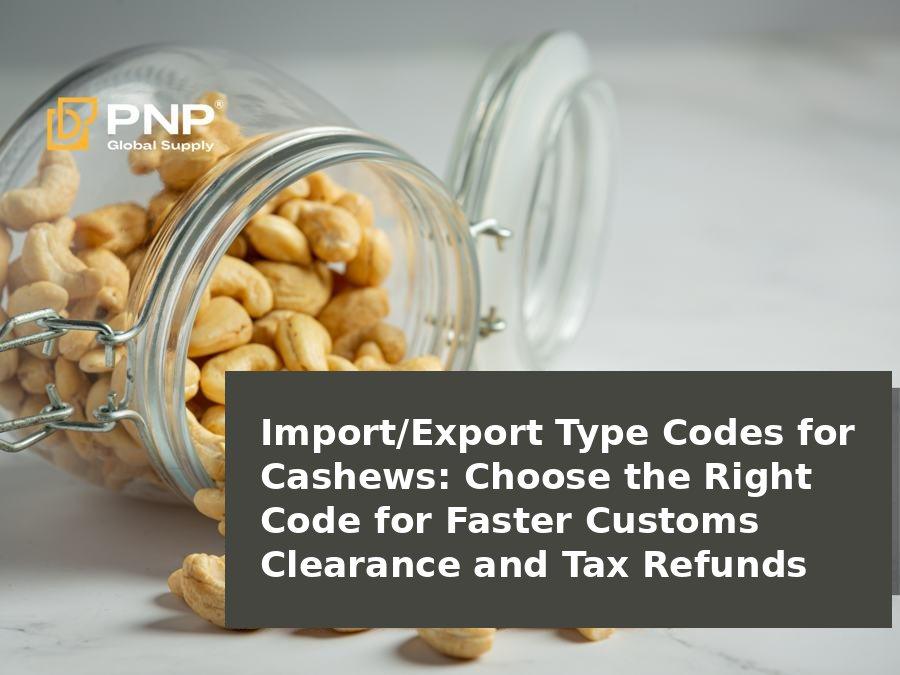
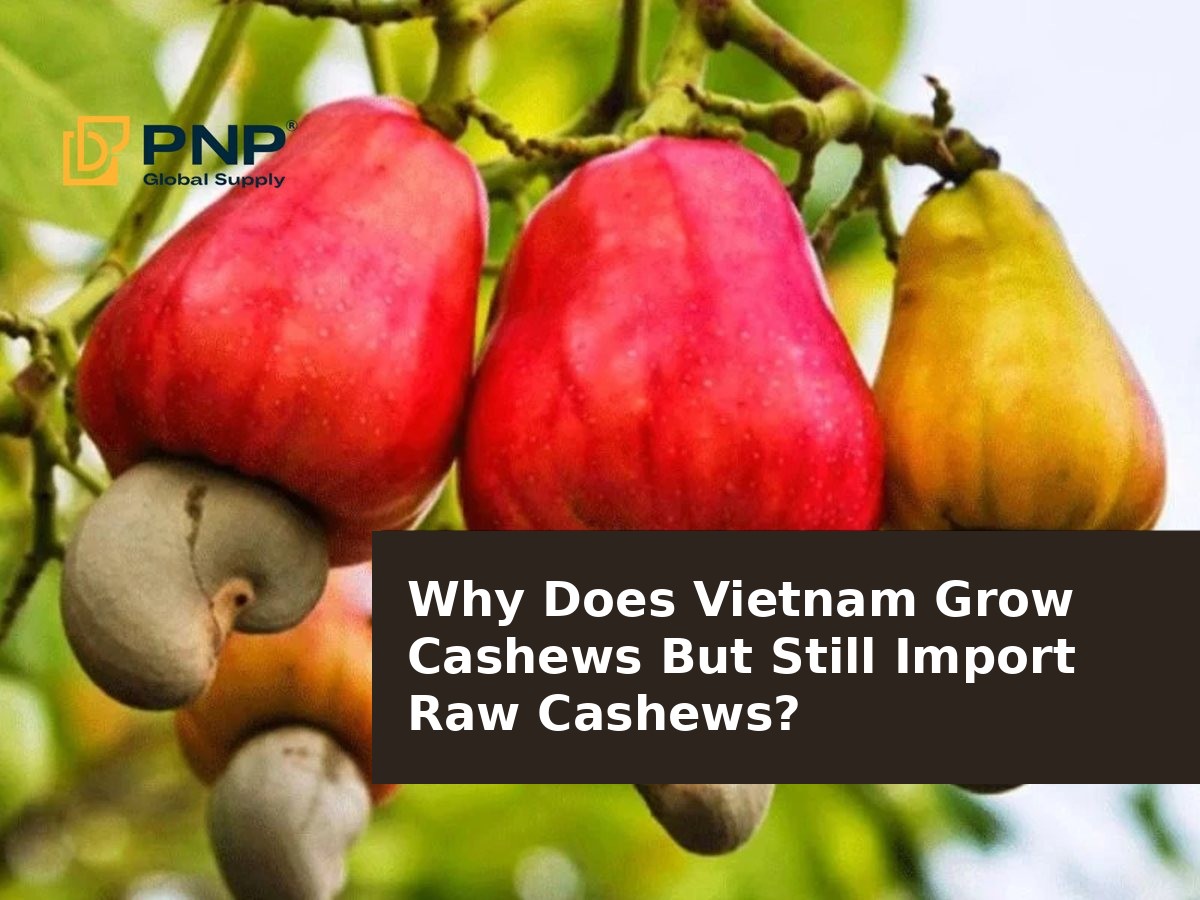
Unprocessed cashew nuts fall under Chapter 08 of the import and export tariff schedule.
2.1 Unshelled Cashew Nuts
HS Code: 08013100
Product description:
- Fresh or dried cashew nuts.
- The outer hard shell has not been removed.
- Commonly referred to as raw cashew nuts.
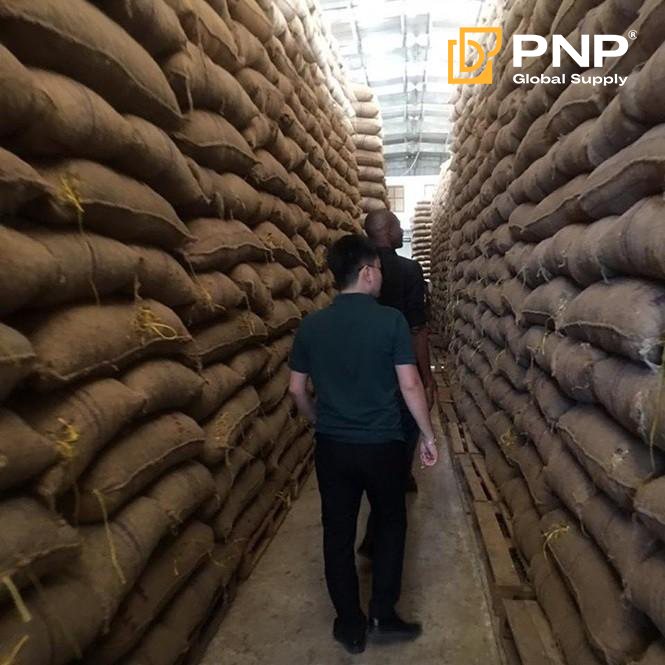
This HS code is commonly used when businesses import raw cashew nuts from Africa or Cambodia for domestic processing.
2.2 Shelled Cashew Nuts
HS Code: 08013200
Product description:
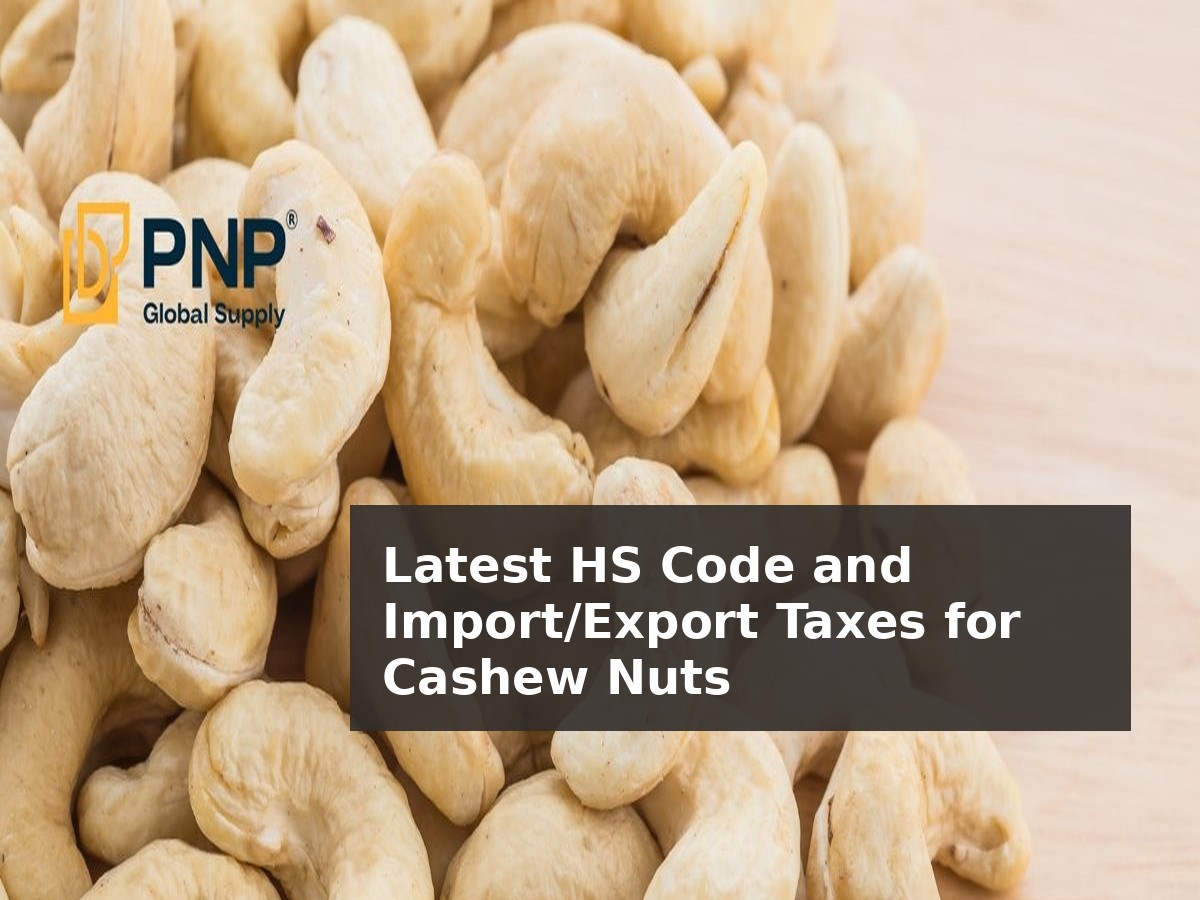
- Cashew nuts with the hard shell removed.
- The testa/skin may remain or may have been removed.
- Not roasted and not seasoned.
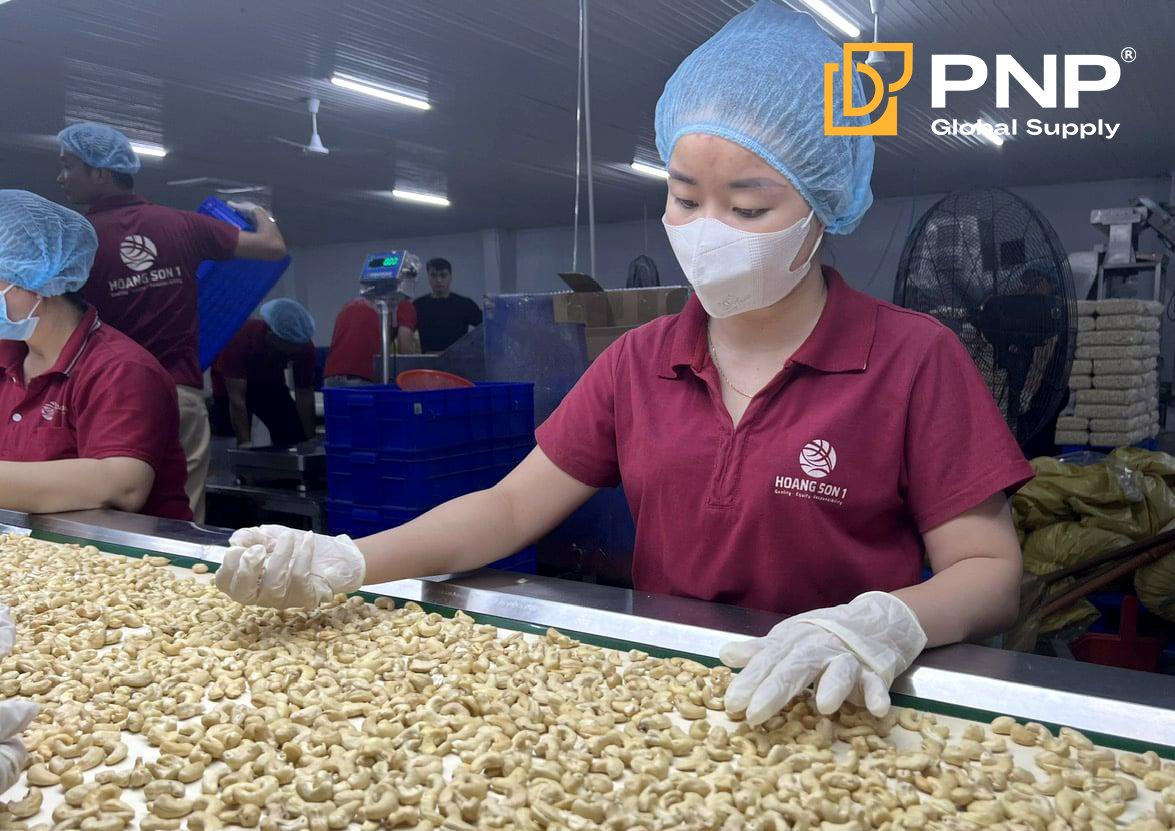
This is the common HS code for cashew kernels exported from Vietnam to the United States, the EU, Japan, and other markets.
3. HS Code for Processed Cashew Nuts
When cashews are roasted, dried, salted, seasoned, or processed into ready-to-eat products, the HS code changes.
3.1 Salted, Seasoned, or Roasted Cashews
HS Code: 20081910
Applies to:
- Salted roasted cashews.
- Honey cashews.
- Wasabi cashews.
- Seasoned cashews.
These products are classified as processed foods under Chapter 20 instead of Chapter 08, unlike raw cashews or shelled cashew kernels.
4. Export Tax on Cashew Nuts
One major advantage of Vietnam’s cashew industry is its favorable export tax policy.
According to the current tariff schedule:
| Product type | HS Code | Export tax |
|---|---|---|
| Unshelled cashews | 08013100 | 0% |
| Shelled cashews | 08013200 | 0% |
| Processed cashews | 20081910 | 0% |
The government currently encourages agricultural exports, so cashew nuts are not on the list of goods subject to export tax. Eligible exported goods may also enjoy 0% value-added tax (VAT).
5. Import Tax on Cashew Nuts
In addition to exporting, Vietnam imports large volumes of raw cashew nuts from African countries for processing.
5.1 Preferential Import Tax
For imported cashew nuts without a preferential certificate of origin, the standard import tax is usually around 5%, depending on the applicable tariff schedule at the time of import.
5.2 Special Preferential Import Tax
If the business has a valid C/O from a country participating in a trade agreement with Vietnam, the import tax rate may be reduced to 0%.
5.3 Value-Added Tax
Depending on the import purpose:
- Raw materials imported for export production may be eligible for preferential treatment under applicable regulations.
- Imported goods for domestic trading may be subject to VAT under current regulations.
6. Customs Documents for Exporting Cashew Nuts
To export cashew nuts, businesses usually need to prepare a basic customs documentation set, including:
- Customs declaration.
- Sales contract.
- Commercial invoice.
- Packing list.
- Bill of lading.
- Certificate of origin (C/O), if available.
- Phytosanitary certificate as required by the importing market.
Preparing complete documents helps speed up customs clearance and reduce storage or warehousing costs.
7. Do Cashew Nuts for Export Require Plant Quarantine?
For many importing markets, especially the United States, the EU, the Middle East, and Asia, cashew nuts for export usually require a phytosanitary certificate.
This certificate confirms that the shipment is free from harmful organisms and meets the requirements of the importing country. It is one of the documents that frequently appears in cashew export dossiers.
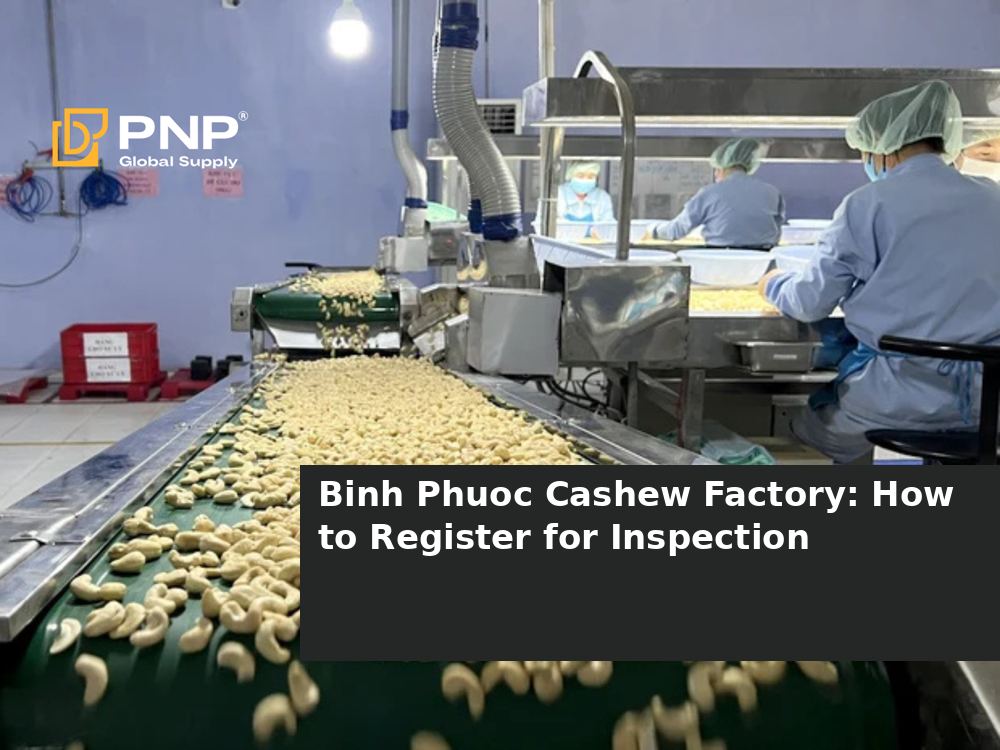
8. The Role of Binh Phuoc Cashew Processing Factories in Export Activities
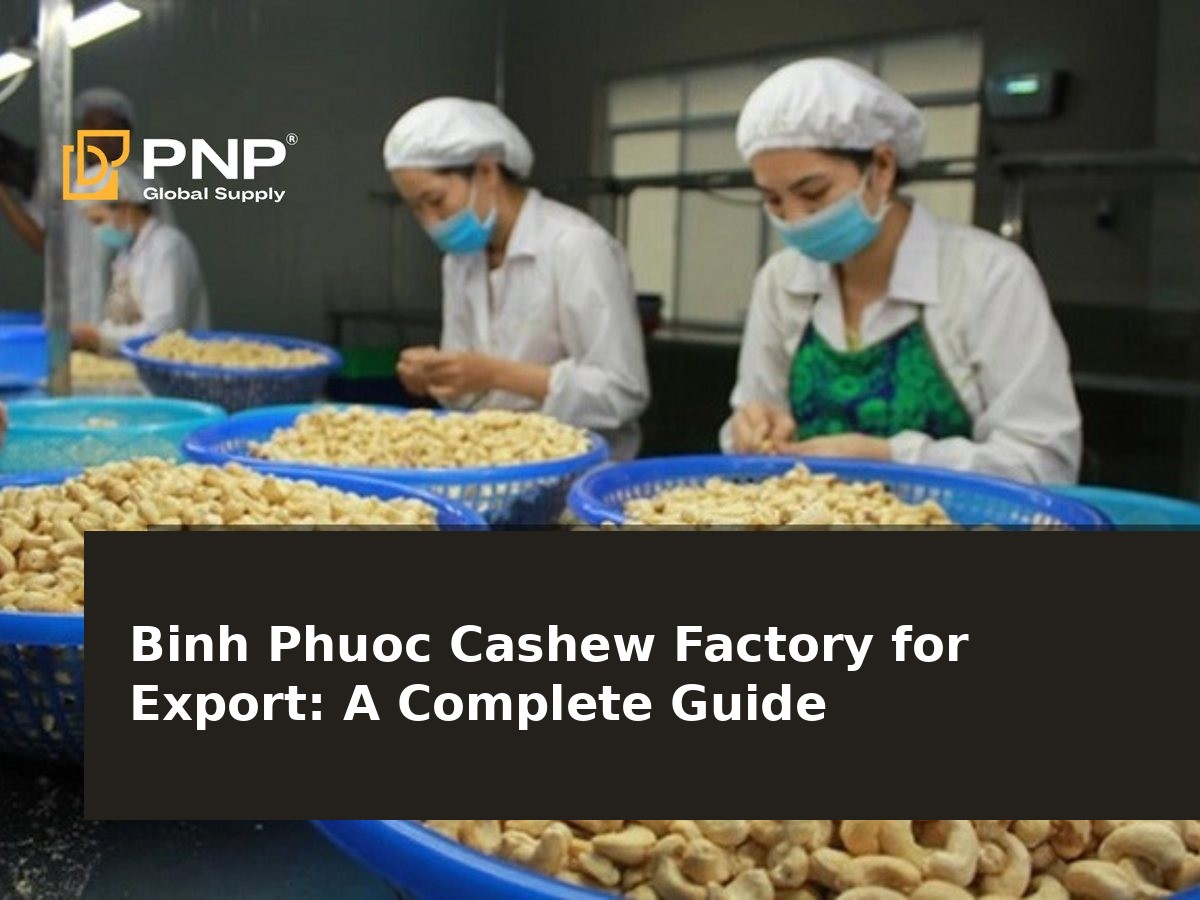
When discussing Vietnam’s cashew industry, Binh Phuoc cashew processing factories are an important part of the supply chain. Binh Phuoc is often considered the cashew capital of Vietnam.
The province is currently a major center for:
- Purchasing raw cashew nuts.
- Processing cashew kernels for export.
- Producing salted roasted cashews.
- Packaging and exporting finished cashew products.
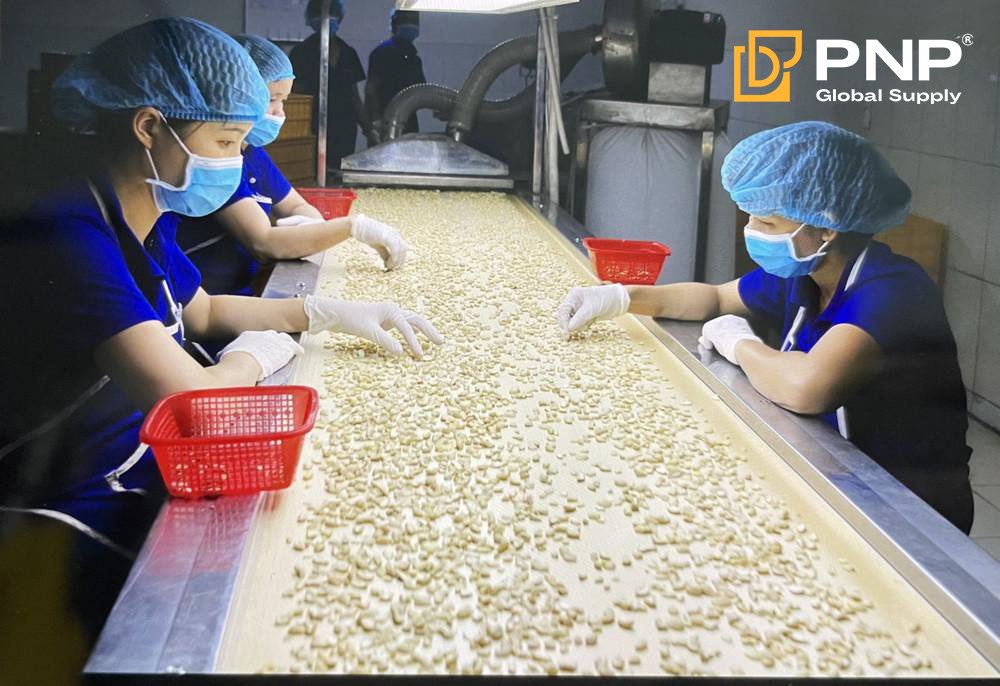
Many businesses in this area have invested in modern processing lines to meet strict international standards such as HACCP, BRC, ISO 22000, and FDA.
As a result, Vietnamese cashew products are increasingly moving toward higher added value instead of only exporting raw materials.
9. Important Notes When Declaring Cashew HS Codes
Businesses should clearly distinguish between semi-processed and processed goods when applying HS codes.
If the product has only gone through steps such as:
- Drying.
- Shelling.
- Removing the testa/skin.
It usually remains under heading 0801.
However, if the product has been:
- Roasted.
- Fried.
- Salted.
- Seasoned.
It should be classified under Chapter 20 for processed food products.
Applying the wrong HS code may lead to incorrect tax rates and problems with specialized management records.
Conclusion
Correctly identifying the HS code for cashew nuts is an important step in import and export operations. It helps businesses declare customs information accurately and apply the correct tax policies. Common cashew HS codes include 08013100 for unshelled cashews, 08013200 for shelled cashew kernels, and 20081910 for processed cashew products. At the same time, cashew nuts currently benefit from a 0% export tax rate, creating favorable conditions for businesses to expand into international markets.
For businesses that own or cooperate with Binh Phuoc cashew processing factories, understanding HS codes, tax policies, and customs procedures can help optimize costs, speed up customs clearance, and improve export efficiency in an increasingly competitive global market.
Contact us:
Facebook: PNP Logistics
Phone: 039 880 2946
Email: info@pnpglobalsupply.com