What is plant quarantine? This is a common question among businesses and individuals involved in the import and export of agricultural products. Plant quarantine is the process of inspecting, monitoring, and treating plant-based products to prevent the spread of pests and diseases between countries or regions. In international trade, plant quarantine is not only a mandatory requirement but also a crucial factor in ensuring the quality and safety of goods crossing borders.
Understanding what plant quarantine is helps businesses proactively prepare documentation and comply with legal regulations. This is especially important for products such as rice, coffee, cashew nuts, fruits, and wood, where quarantine is an essential step in the entire customs clearance process. Failure to comply may result in shipment delays, returns, or even destruction, leading to significant financial losses.
1. What Is Plant Quarantine?
Plant quarantine (also known as phytosanitary inspection) refers to the process of inspecting, monitoring, and treating plants and plant-derived products (such as wood, agricultural goods, seeds, etc.) to prevent the introduction and spread of harmful organisms between countries or territories.
Simply put, it is a mandatory step in import-export activities to ensure that goods are free from pests, fungi, bacteria, or other harmful organisms that could negatively impact agriculture and the environment.
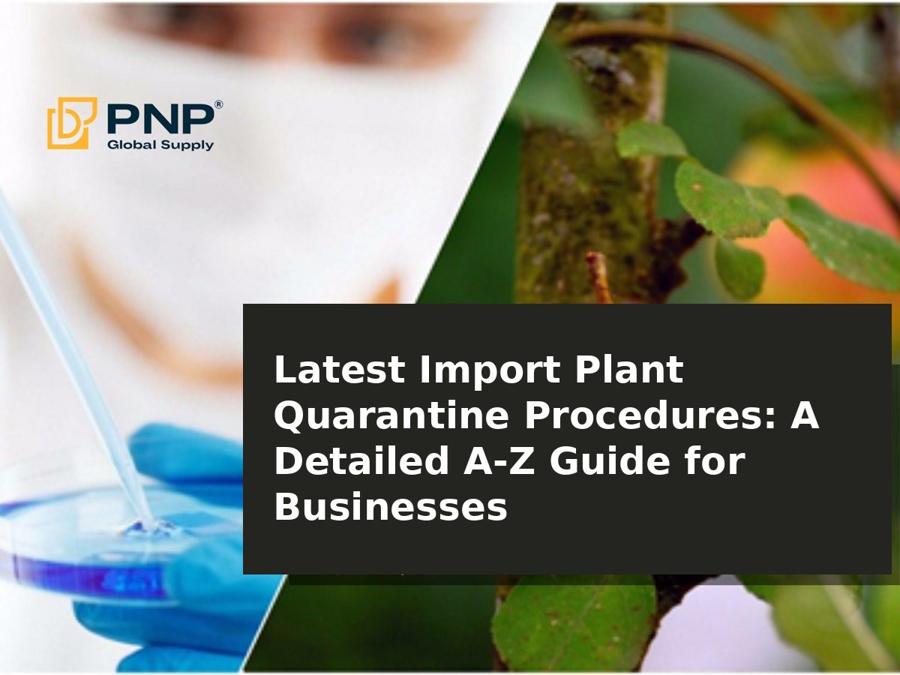
In practice, plant quarantine typically includes document inspection, physical inspection of shipments, sampling for analysis, and the issuance of a phytosanitary certificate. If risks are detected, authorities may require treatments such as fumigation, destruction, or re-export of the goods.
For import-export businesses, plant quarantine is not only a legal obligation but also a key condition for smooth customs clearance and acceptance in international markets.
2. The Role of Plant Quarantine in Customs Procedures
When learning what plant quarantine is, it is essential to understand its role in customs procedures. It is one of the most important specialized inspections conducted before goods can be cleared.
For shipments subject to quarantine, businesses are required to obtain a phytosanitary certificate to prove that the goods are safe. The quarantine process is usually conducted before or during customs clearance. Authorities will inspect samples, assess pest risks, and provide conclusions. If the goods meet requirements, a certificate will be issued to allow the clearance process to continue.
Proper compliance with quarantine regulations not only ensures faster customs clearance but also enhances a company’s reputation in the global market.
The role of plant quarantine in customs procedures
3. Plant Quarantine Process
After understanding what plant quarantine is, businesses should also be familiar with the process to avoid errors. Typically, the process includes registration for inspection, document preparation, physical inspection of goods, and receiving certification results.
Among these steps, document preparation is the most critical. Businesses must provide complete information about the origin, type, quantity, and purpose of the goods. Once the inspection is completed and the goods meet the requirements, the authorities will issue a phytosanitary certificate.
This process may vary depending on the regulations of the importing country, so businesses need to stay updated to ensure full compliance.
4. The Role of Import-Export Service Companies
For many businesses, especially newcomers, handling plant quarantine procedures independently can be challenging. This is where import-export service companies play an important role.
These companies have experience in handling documentation and a thorough understanding of procedures and regulations across different markets. By using their services, businesses can receive support from document preparation and quarantine registration to completing customs procedures.
Working with professional service providers not only saves time but also minimizes the risk of errors, especially for urgent shipments or those with complex technical requirements.
The role of import-export service companies
5. Important Notes When Conducting Plant Quarantine
Even after understanding what plant quarantine is, businesses should keep several important considerations in mind. First, goods must meet hygiene standards and be free from pests or contamination. Additionally, preparing complete and accurate documentation will help speed up the inspection process.
Businesses should also pay close attention to the specific requirements of each importing market, as regulations may vary between countries. Failure to meet these requirements may result in rejection or destruction of goods.
Conclusion
In summary, understanding what plant quarantine is is essential for any business involved in agricultural import-export. It is not only a legal requirement but also a key factor in ensuring product quality and maintaining credibility in international markets.
By mastering the process, preparing proper documentation, and complying with phytosanitary certification requirements, businesses can achieve faster customs clearance and reduce risks. For those lacking experience, partnering with import-export service companies is an effective solution to optimize time and costs.
In the context of global economic integration, complying with plant quarantine regulations not only supports sustainable business growth but also enhances competitiveness in the international market.
________________________________
Contact us for more information
Facebook: PNP Logistics
Phone: 039 880 2946
Email: info@pnpglobalsupply.com