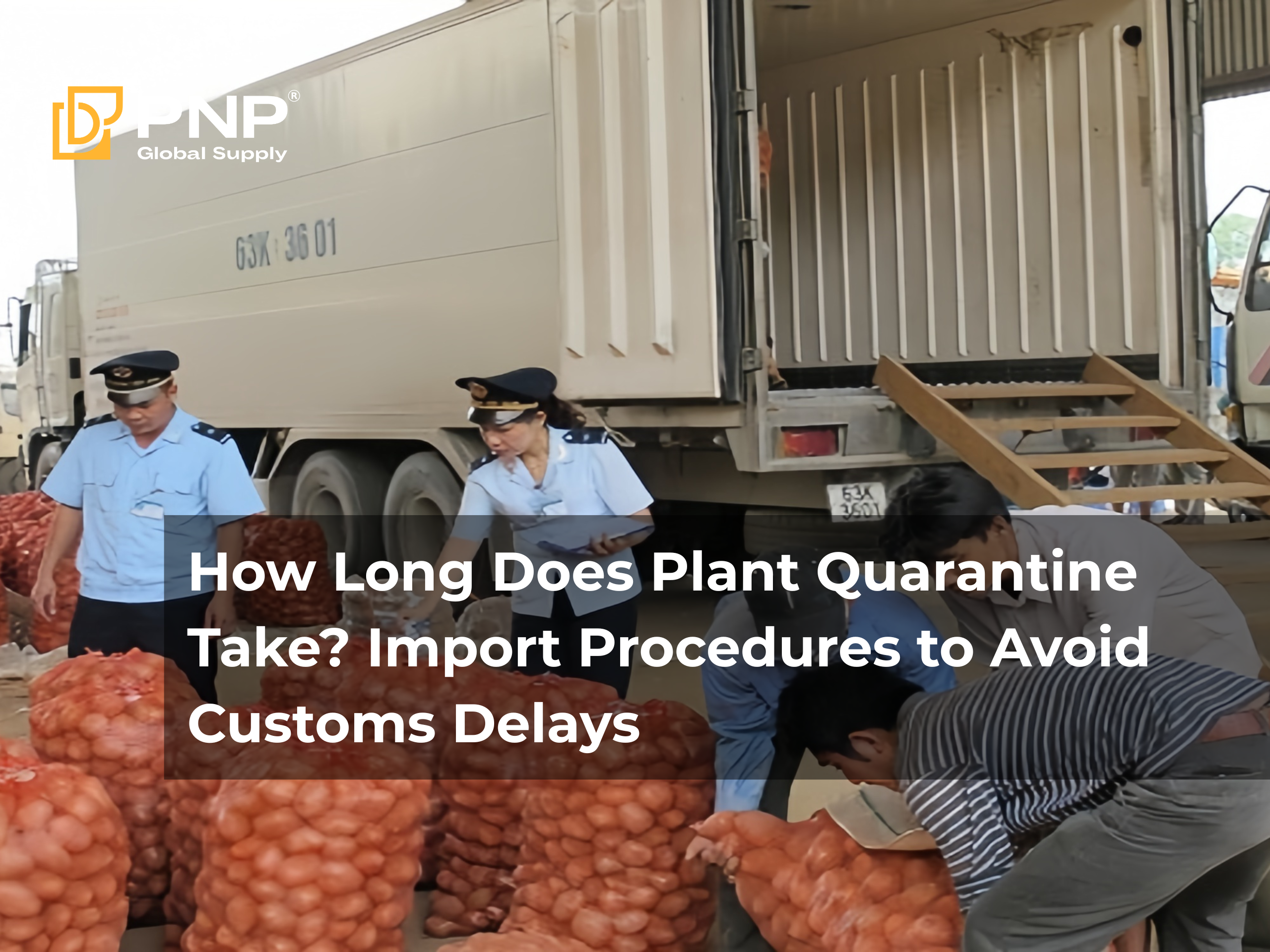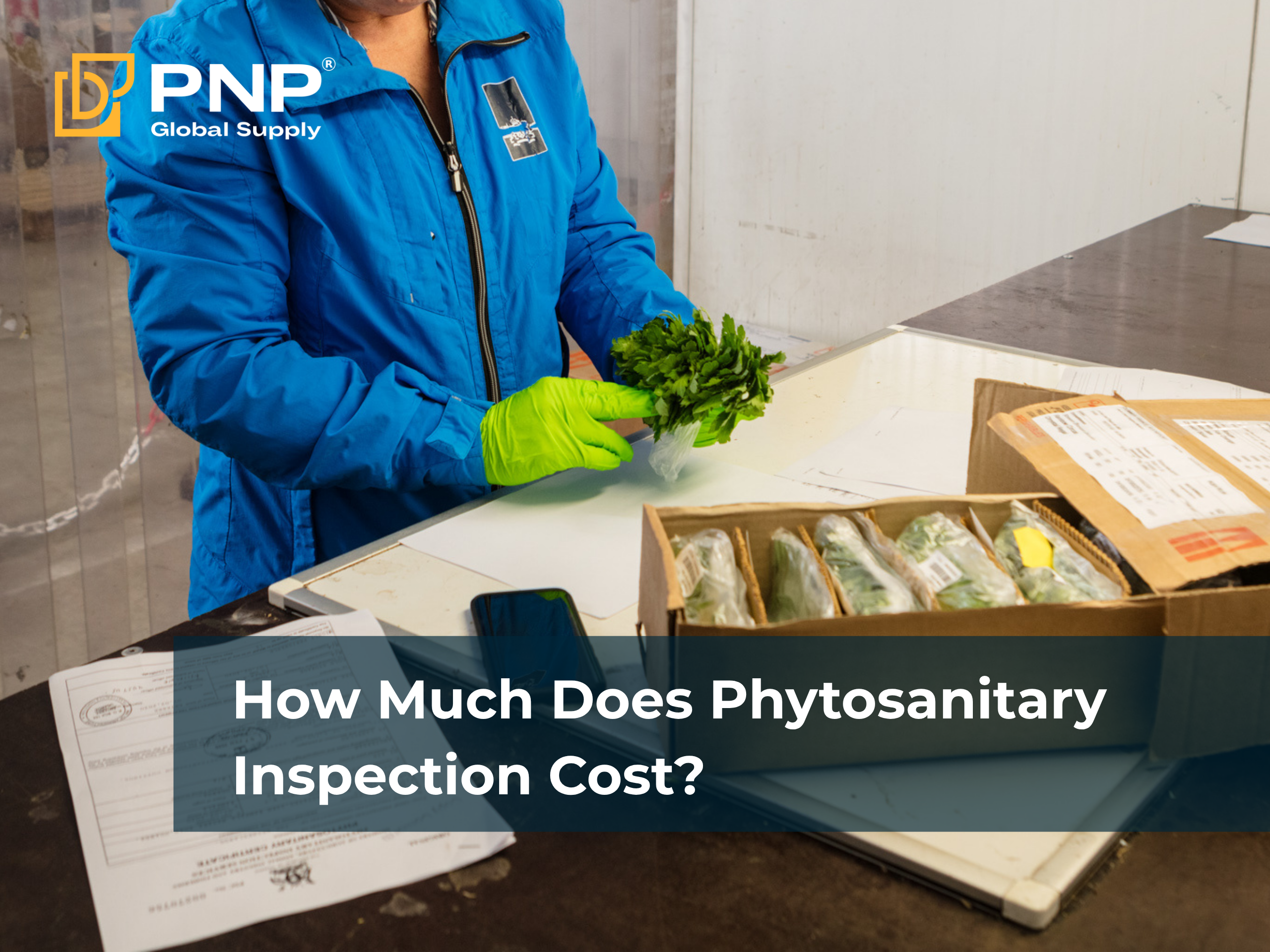
In import and export activities, phytosanitary inspection is a mandatory step for many types of goods such as agricultural products, wood, and seeds. The cost of phytosanitary inspection is not fixed; it depends on the type of goods, quantity, and inspection method. In addition to the basic fee, businesses may incur additional costs for inspection, sampling, or treatment. Therefore, it is necessary to determine the cost for each shipment to estimate expenses accurately.
1. What is Phytosanitary Inspection?
Phytosanitary inspection is the process of examining and controlling plant-based goods to detect pests, diseases, and ensure safety before export or import.
This activity helps protect the environment, domestic production, and is a mandatory requirement for many products such as agricultural goods, wood, and seeds during customs procedures.
Export Phytosanitary Inspection
2. What is the Phytosanitary Inspection Fee?
The phytosanitary inspection fee is the cost that businesses must pay when authorities conduct inspections and assessments of plant-based goods before import or export.
It is important to distinguish between:
- Phytosanitary administrative charges: fixed government fees
- Inspection fees: include costs for document review, physical inspection, sampling, and treatment (if required)
3. Latest Phytosanitary Inspection Fee Schedule (For Reference)
Phytosanitary inspection fees are regulated based on shipment type and volume as follows:
3.1. Small shipments
- Commercial goods ≤ 10 kg: ~15,000 VND/shipment
- Seeds ≤ 1 kg: ~120,000 VND/shipment
- Seedlings/cuttings ≤ 10 units: ~25,000 VND/shipment
3.2. By quantity (seedlings)
- 10 – <100 units: ~57,000 VND/shipment
- 100 – 1,000 units: ~85,000 VND/shipment
- 1,000 units: ~115,000 VND/shipment
By weight
- <1 ton: ~39,000 VND/shipment
- 1 – 5 tons: ~51,000 VND/shipment
- 10 – 20 tons: ~63,000 – 87,000 VND/shipment
- 50 – 100 tons: ~169,000 – 234,000 VND/shipment
- 100 – 500 tons: ~247,000 – 403,000 VND/shipment
Important notes:
- The above fees are basic inspection fees only
- Additional costs may include sampling, on-site inspection, and travel expenses
- Treatment or fumigation fees may be added (approximately 50% of the inspection fee)
- Fees vary depending on the type of goods and specific shipment
4. How to Calculate Phytosanitary Inspection Fees
Phytosanitary inspection fees are calculated based on three main factors:
- Type of goods: agricultural products, wood, seeds, etc. (each has different rates)
- Quantity/weight: larger shipments incur higher costs (calculated by kg, tons, or units)
- Inspection method: document check, physical inspection, sampling
Additional costs such as treatment, fumigation, or re-inspection may increase the total fee depending on the shipment.
5. What is a Phytosanitary Certificate?
A phytosanitary certificate is a document issued by authorities confirming that the goods have been inspected and are free from pests, making them eligible for export or import.
This certificate is mandatory for many plant-based products and is essential for customs clearance and acceptance in the importing country.
Sample Phytosanitary Certificate
6. Phytosanitary Inspection Process
The phytosanitary inspection process includes three main steps: registration, physical inspection of goods, and issuance of the phytosanitary certificate. Once the inspection is completed and requirements are met, authorities will issue the certificate, allowing the goods to be cleared.
Import Phytosanitary Inspection Process Diagram
7. Factors Affecting Phytosanitary Inspection Fees
The cost depends on four main factors:
- Type of goods
- Quantity/weight
- Inspection requirements (detailed checks, sampling increase costs)
- Timing of procedures (peak periods or urgent processing may incur extra fees)
8. Should You Use a Logistics Company for Support?
Businesses should consider using a logistics company if they lack experience or need fast processing. Professional service providers can help reduce documentation errors, save time, and minimize additional costs.
Using a logistics company is especially beneficial for companies with limited experience or urgent needs, as they can ensure faster and more accurate procedures.
A reliable option to consider is PNP Global Supply, which has over 10 years of experience in import-export and provides PNP Logistics services to help businesses complete procedures efficiently and accurately.
9. Notes When Conducting Phytosanitary Inspection
- Prepare complete documentation from the beginning
- Declare accurate information to avoid delays
- Monitor progress and respond promptly to requests
- Minimize additional costs by avoiding re-inspection or extra treatment
10. Conclusion
Phytosanitary inspection fees are an important cost in import and export activities. They are not fixed and depend on the type of goods and inspection procedures. Businesses need to prepare proper documentation and declare accurately to optimize costs and avoid unexpected expenses. When necessary, using logistics services can help ensure fast and compliant procedures.
________________________________
Contact us for more information
Facebook: PNP Logistics
Phone: 039 880 2946
Email: info@pnpglobalsupply.com