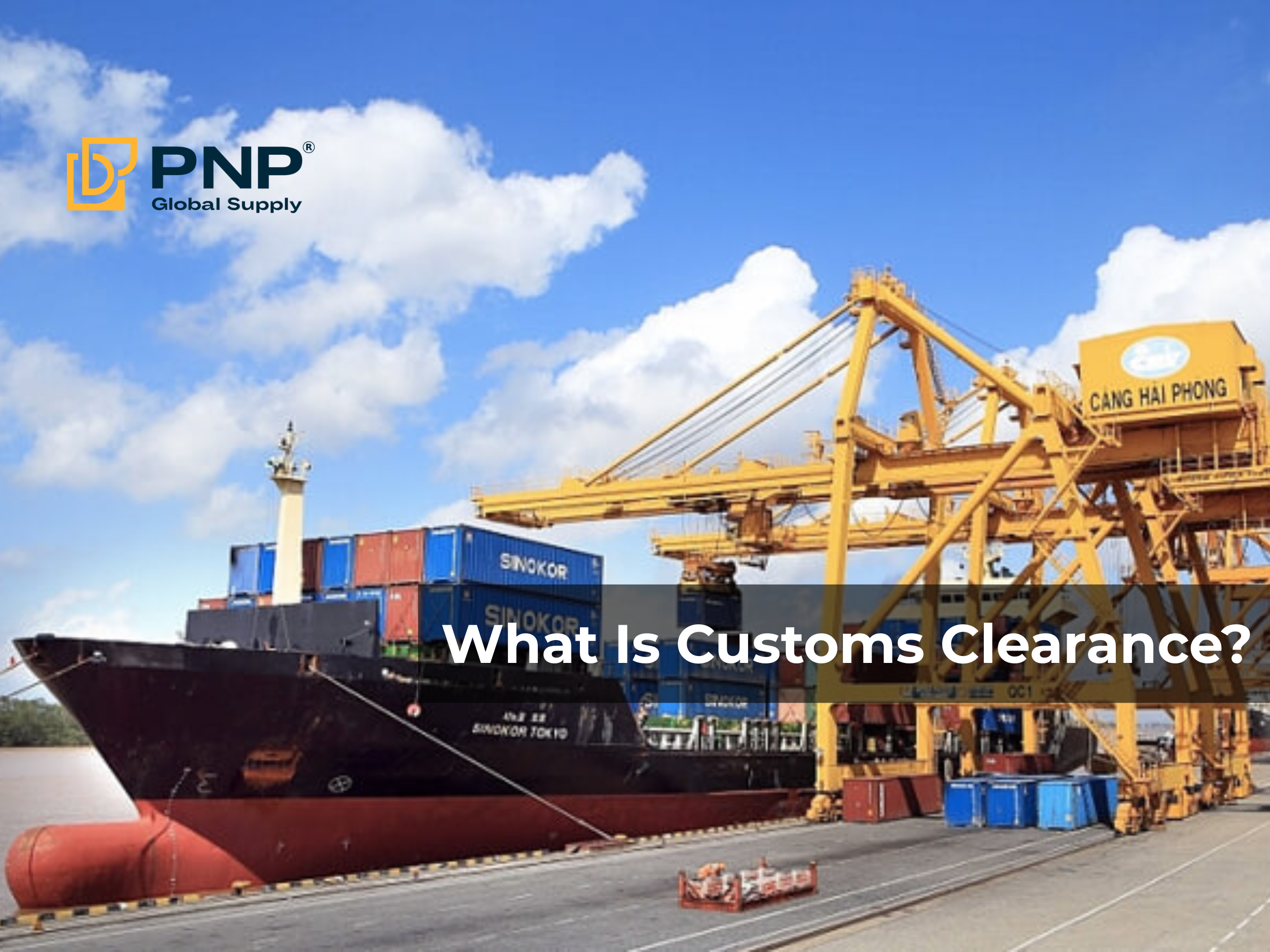
What is customs clearance is a common question for individuals and businesses involved in import and export activities. In simple terms, customs clearance refers to all the steps that a customs declarant must carry out in accordance with legal regulations to allow goods and means of transport to be exported or imported across borders.
This process includes declaring goods information, submitting documents, inspecting goods (if required), paying taxes, and completing all obligations with customs authorities. Properly handling customs clearance not only ensures smooth and fast cargo release but also helps avoid legal risks and unexpected costs.
In the context of growing global trade, understanding what is customs clearance enables businesses to be more proactive in their operations while optimizing logistics time and costs.
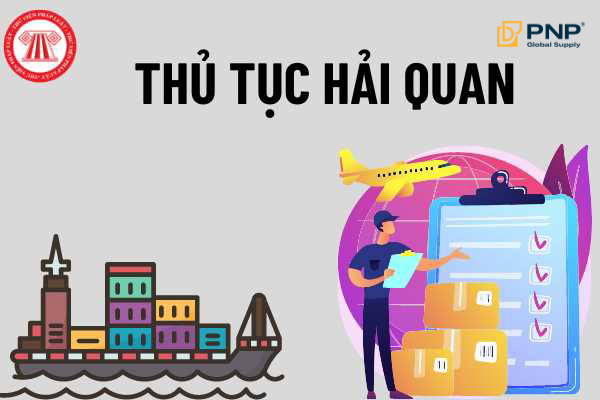
The Role of Customs Clearance in Import and Export
Customs clearance plays a vital role in controlling import and export goods, ensuring compliance with legal regulations, and protecting national interests. Through this process, authorities can verify the origin, quantity, quality, and value of goods.
In addition, completing the customs clearance process ensures accurate collection of taxes and related fees. This contributes to creating a transparent and fair business environment.
For businesses, properly handling customs clearance helps minimize risks such as shipment delays, administrative penalties, or additional storage costs. Therefore, understanding the process and preparing complete documentation are key factors for smooth import-export operations.
Basic Customs Clearance Process
The customs clearance process may vary depending on the type of import-export activity or specific regulations of each country. However, in general, it includes the following steps:
Preparing customs documents
Businesses need to prepare all necessary documents such as commercial contracts, commercial invoices, packing lists, bills of lading, and other relevant paperwork. This step is essential to ensure a smooth customs clearance process.
Customs declaration
The declarant submits goods information through the electronic system of customs authorities. Accurate and complete declaration is crucial to avoid errors during processing.
Channel classification
After submission, the system automatically classifies declarations into green, yellow, or red channels. Each channel involves different levels of inspection, from no inspection to document review or physical inspection.
Goods inspection (if required)
For shipments classified under yellow or red channels, customs authorities will conduct document checks or physical inspections to ensure accuracy.
Tax payment and clearance completion
After inspection, businesses must pay all applicable taxes and fees. Once all obligations are fulfilled, the goods will be cleared.
Understanding the customs clearance process helps businesses stay proactive and reduce potential errors.
Required Documents for Customs Clearance
To carry out customs clearance, businesses need to prepare several basic documents, including:
- Sales contract
- Commercial Invoice
- Packing List
- Bill of Lading
- Certificate of Origin (C/O), if applicable
- Specialized permits (for regulated goods)
Preparing complete documentation not only speeds up the customs clearance process but also helps avoid issues during inspections.

Challenges When Handling Customs Clearance Independently
Although the customs clearance process has been increasingly digitized and improved, many businesses still face difficulties when handling it themselves. Common challenges include:
- Lack of experience in declaration
- Errors in documentation
- Limited understanding of legal regulations
- Extended processing time
These issues may lead to shipment delays, additional storage costs, or even penalties. Therefore, many businesses choose to use customs clearance services to optimize the process.
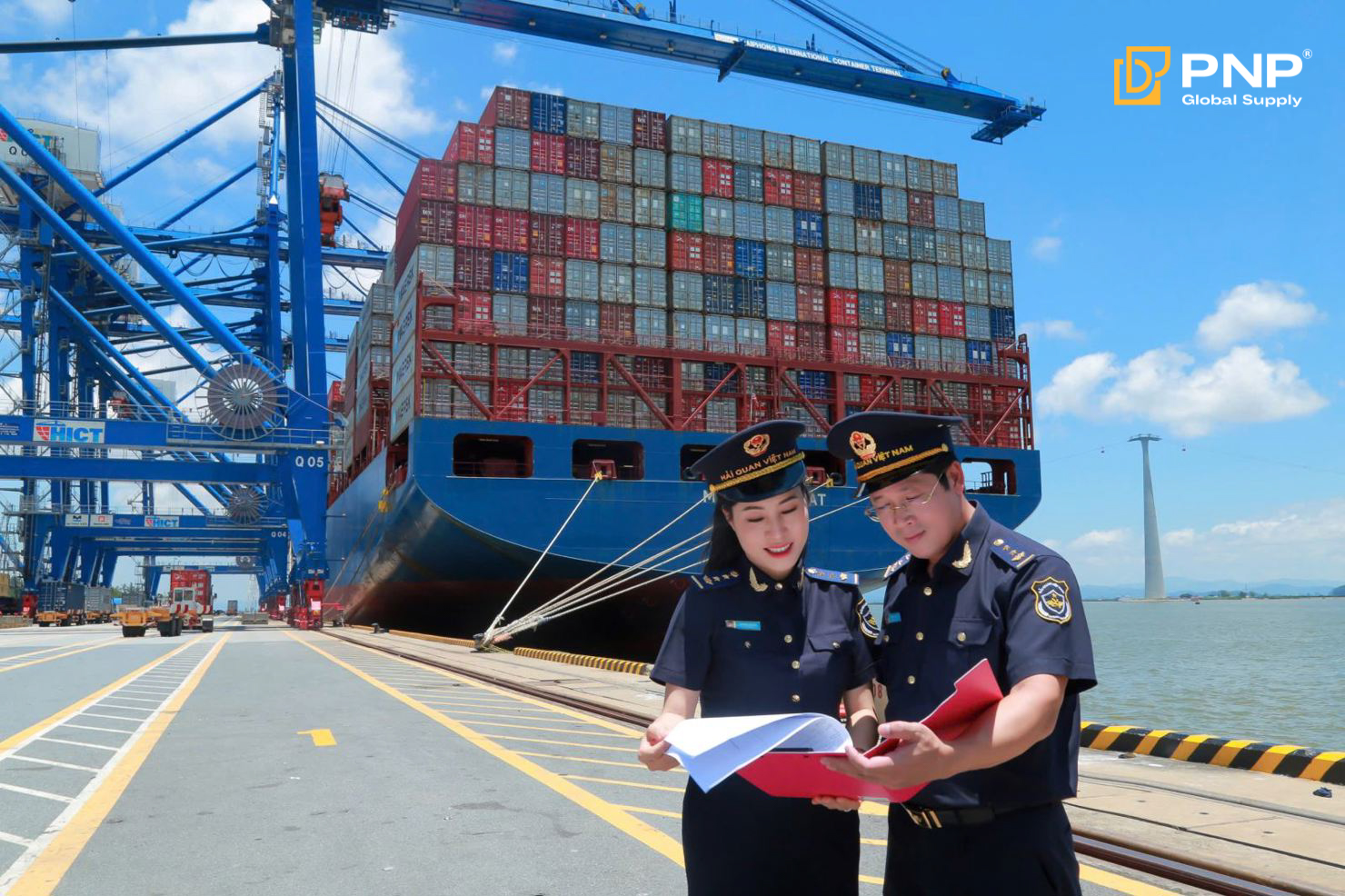
Customs Clearance Services – An Effective Solution
As import-export activities become more complex, customs clearance services are increasingly popular among businesses. Service providers handle the entire process on behalf of clients, from declaration and document preparation to cargo clearance.
The advantages of using customs clearance services include:
- Saving time and effort
- Minimizing documentation errors
- Ensuring compliance with regulations
- Faster cargo clearance
Additionally, service providers often have experienced professionals capable of handling various types of goods, giving businesses greater peace of mind during import-export operations.
When Should You Use Customs Clearance Services?
Businesses should consider using customs clearance services in the following cases:
- New to import-export activities
- Goods require specialized inspections
- High-value shipments or urgent clearance needs
- No in-house customs expertise
Choosing the right time to use these services helps businesses optimize costs and improve operational efficiency.
Conclusion
Understanding what is customs clearance is the first step for businesses to effectively participate in import-export activities. Mastering the customs clearance process, preparing complete documentation, and complying with regulations will ensure fast and secure cargo release.
In cases where experience is limited or time optimization is needed, businesses can consider using customs clearance services to ensure smooth operations. This is an effective solution to minimize risks and enhance competitiveness in the global market.