Freight rates are one of the key costs businesses need to consider when using international sea freight services. Rates can rise or fall depending on fuel prices, supply and demand, port conditions, shipping routes, and other market factors. So, what factors cause international shipping freight rates to increase? Let’s explore the key factors in detail below.
1. What Are Ocean Freight Rates?
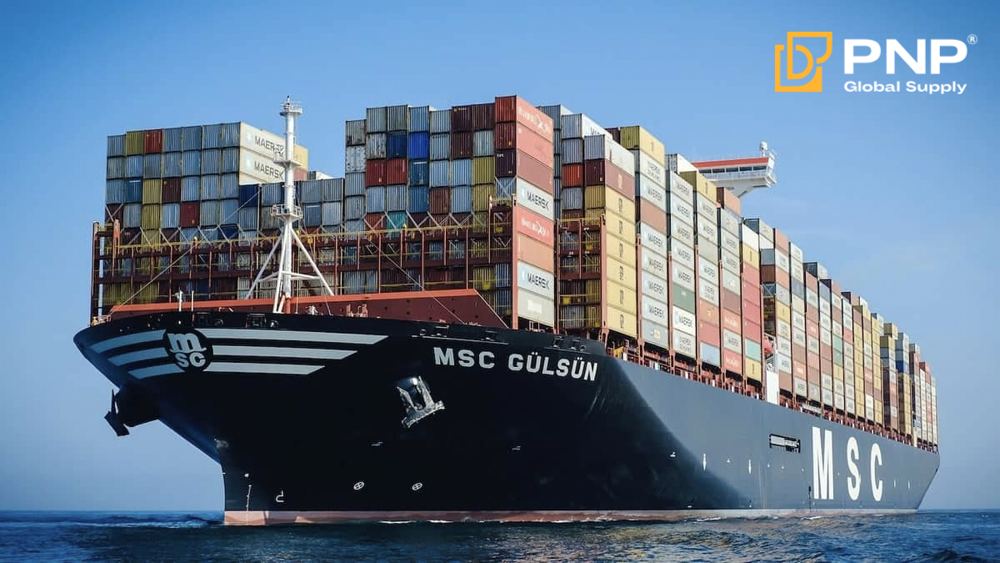
Ocean freight rates are the costs businesses pay to transport goods by sea from the port of origin to the destination port. These rates are not fixed and can vary depending on the shipping route, type of cargo, booking time, market demand, and overall sea transportation conditions.
Therefore, businesses should monitor freight rate fluctuations to plan their logistics costs and choose the most suitable shipping time and transportation option.
2. Factors That Cause Ocean Freight Rates to Increase
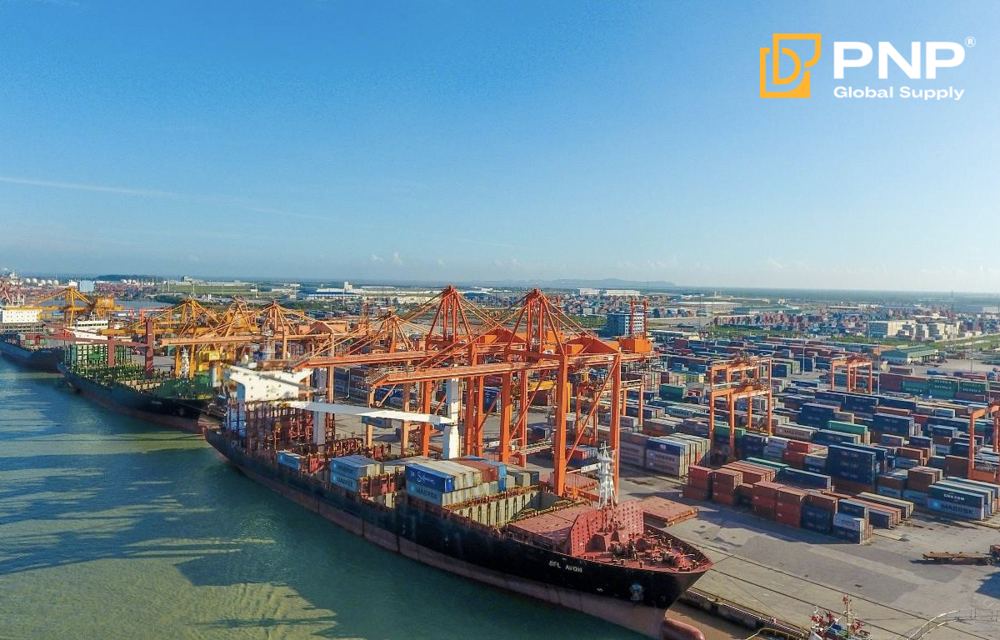
2.1. Fuel Prices and Vessel Operating Costs
Fuel accounts for a significant portion of vessel operating costs. When oil prices rise, shipping lines face higher expenses for fuel, maintenance, labor, and vessel operations. These additional costs are often reflected in freight rates, causing ocean shipping costs to increase.
2.2. Increased Shipping Demand and Container Shortages
When import and export demand rises sharply, especially during peak seasons, the volume of cargo can increase faster than available vessel capacity and empty containers.
Limited vessel space or container shortages can push up booking rates, resulting in higher international sea freight costs.
2.3. Port Congestion and Supply Chain Disruptions
Overloaded ports, labor shortages, or longer cargo handling times can force vessels to wait longer before loading or unloading.
This increases operating, container storage, and terminal costs while also causing schedule delays. If congestion continues, shipping lines may adjust freight rates to compensate for additional expenses.
2.4. Route Changes and Geopolitical Instability
Conflicts or instability along major shipping routes may force vessels to change their routes or take longer detours for safety reasons.
Longer routes increase fuel consumption, transit times, and insurance costs, which can lead to higher international sea freight rates.
2.5. Weather Conditions and Force Majeure Events
Storms, natural disasters, maritime accidents, and other force majeure events can cause vessels to be delayed, rescheduled, or canceled.
Longer transit times and additional operating costs may result in higher freight rates or additional surcharges.
2.6. Surcharges and Exchange Rate Fluctuations
In addition to the basic freight rate, businesses may have to pay various surcharges, such as fuel surcharges, peak season surcharges, congestion surcharges, and local charges.
Exchange rate fluctuations can also affect total transportation costs, especially when freight rates are quoted in foreign currencies.
2.7. Shipping Routes and Cargo Characteristics
The distance between the origin and destination ports, sailing frequency, container type, cargo weight, volume, and cargo characteristics can all affect freight rates.
Long-distance routes, routes with limited sailing frequency, or cargo requiring special transportation conditions generally have higher freight costs.
2.8. Vessel Capacity and Shipping Schedule Availability
When the number of sailings decreases, schedules are canceled, or available capacity on a specific route is limited, businesses may find it more difficult to secure space at their preferred time.
When transportation supply decreases while demand remains high, freight rates are likely to increase. Therefore, sea transportation conditions can directly affect freight rates at different times.
3. How to Monitor and Optimize Sea Freight Costs
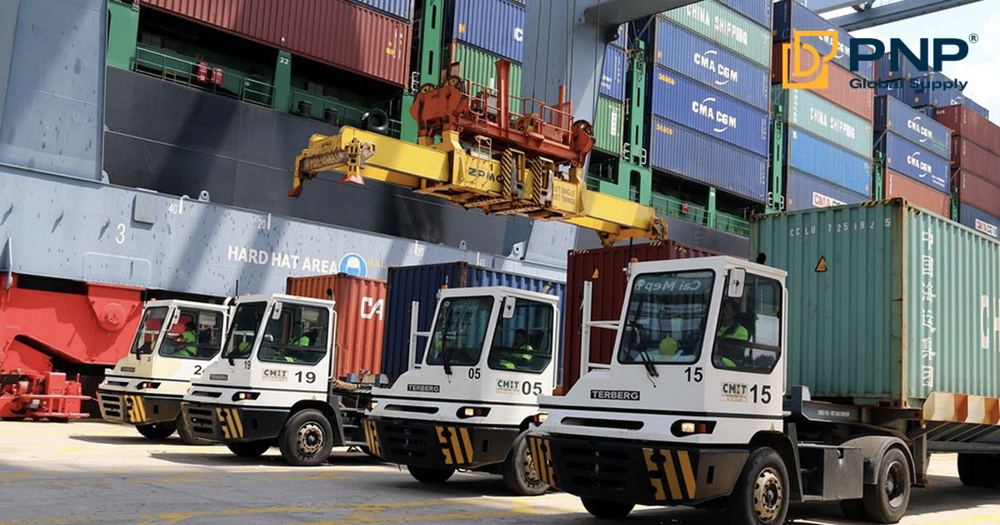
To minimize the impact of fluctuating freight rates, businesses should proactively monitor the market and select suitable transportation solutions:
- Monitor market conditions: Keep track of fuel prices, shipping demand, port congestion, and sailing schedules to understand freight rate trends on specific routes.
- Book shipments early: Plan shipments in advance and secure space early, especially during peak seasons, to reduce the risk of limited capacity and higher rates.
- Compare different options: Request quotations from multiple sea freight companies and compare routes, ports of origin and destination, transit times, and container types.
- Check all surcharges: Clearly confirm fuel surcharges, peak season surcharges, terminal handling charges (THC), port charges, and local fees to avoid unexpected costs.
- Choose the right logistics provider: An experienced sea freight logistics provider can support booking, documentation, shipment tracking, and problem-solving, helping businesses control transportation costs more effectively.
For international shipments, choosing the right logistics provider from the beginning can help businesses better manage shipping schedules and transportation costs. PNP Global Supply provides sea freight services, supporting businesses with booking, documentation, shipment tracking, and handling issues that may arise during transportation.
4. Conclusion
Freight rates can fluctuate due to various factors, including fuel prices, shipping demand, container availability, port congestion, route changes, weather conditions, and additional surcharges.
Therefore, businesses should regularly monitor sea transportation conditions, plan bookings in advance, and compare suitable shipping options. Choosing an experienced logistics provider can also help businesses control costs, minimize unexpected expenses, and maintain reliable delivery schedules.
Contact Us:
Facebook: PNP Logistics
Phone: 039 880 2946
Email: info@pnpglobalsupply.com