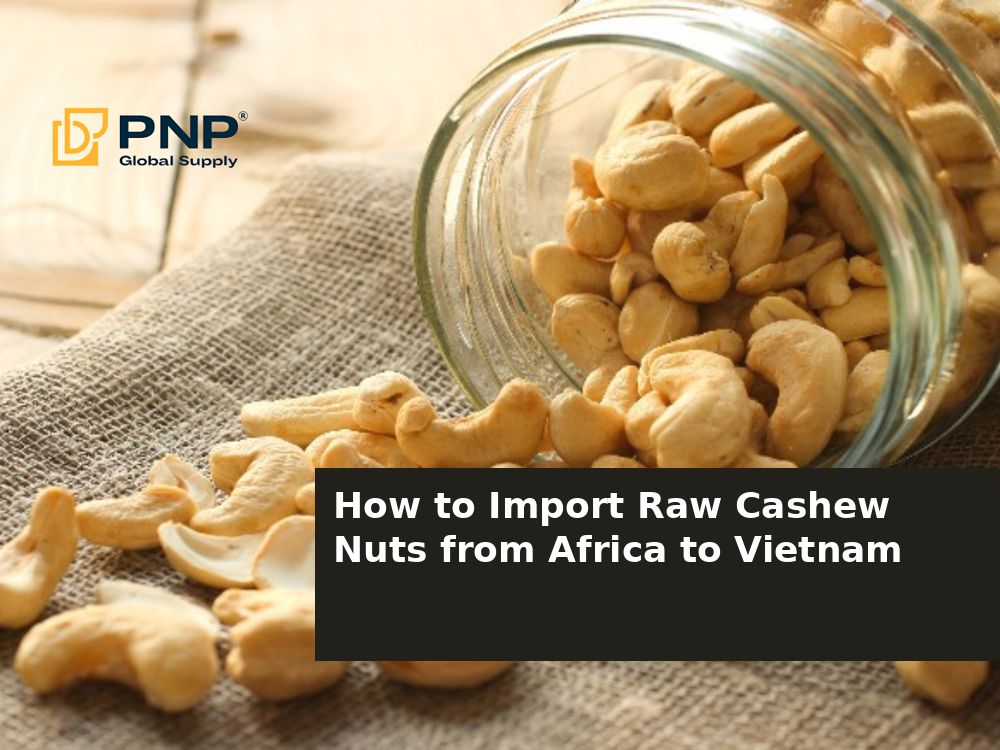
Importing raw cashew nuts from Africa helps businesses secure processing materials, but also requires careful control of quality, payment, and import procedures. A low purchase price may not translate into better returns if moisture is high, kernel recovery is low, or additional port charges arise. Buyers therefore need to manage each stage, from supplier selection to phytosanitary inspection, customs clearance, and warehouse receipt.
1. What to Prepare Before Importing Raw Cashew Nuts from Africa
Before sourcing, businesses should determine the volume required, the production schedule, and the budget for the entire shipment. It is especially important to distinguish raw, in-shell cashew nuts intended for processing from shelled cashew kernels, as their product characteristics and handling requirements differ.
Businesses should also clarify whether the goods are being imported for domestic trading, export production, or processing under a contract with an overseas partner. This helps determine the appropriate customs procedure and any associated material-management obligations. The choice should not be based solely on tax rates or the declaration method used for a previous shipment.
For African supplies, purchasing plans should account for the specific origin, the time needed to assemble the shipment, and the shipping schedule. Buyers should not assume that all lots from the same region share identical quality, harvest seasons, or delivery times.
2. Find Suppliers and Assess Raw Cashew Nut Quality
2.1. Verify Raw Cashew Nut Suppliers
When evaluating raw cashew nut suppliers, buyers should verify legal status, business address, authorized representatives, and payment account details. They should also establish whether the counterparty is a direct exporter, an aggregator, or a trading intermediary.
Warehouse photographs and quotations should serve only as preliminary information. Buyers should request shipment details, origin information, supply capabilities, and verifiable evidence of previous transactions. Any discrepancy between the seller, the contracting party, and the payment recipient should be resolved before funds are transferred.
2.2. Assess Raw Materials Against Specific Quality Criteria
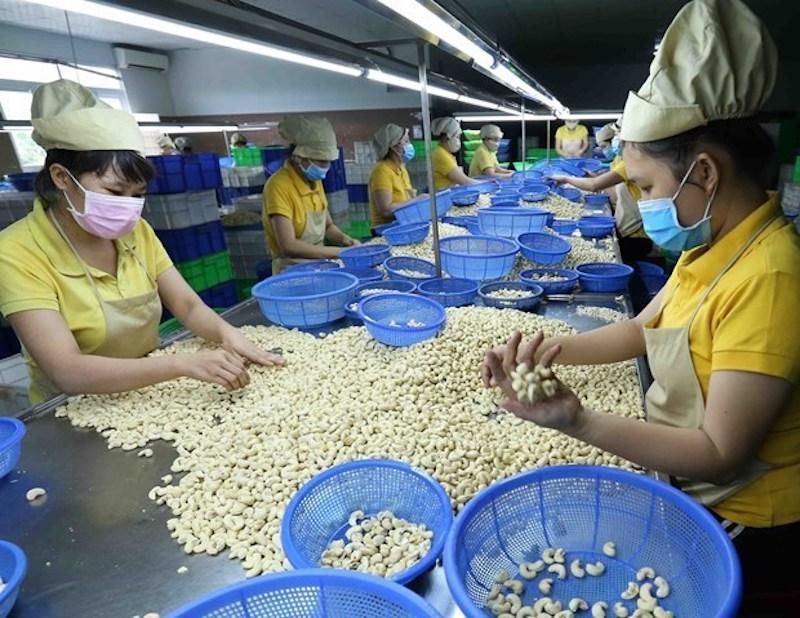
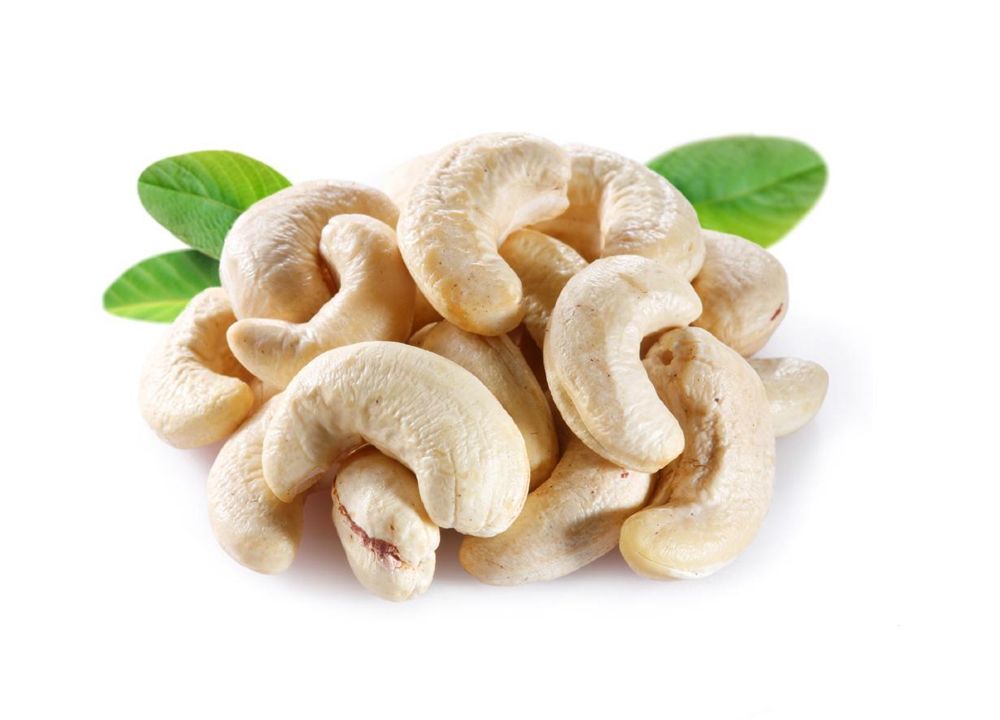
Raw cashew quality should be assessed using moisture content, nut count per unit of weight, kernel recovery, foreign matter, and defective nut rates. Kernel recovery, in particular, helps processors estimate the usable kernels obtainable from a lot rather than comparing purchase prices alone.
Samples should represent the shipment, with sampling and assessment methods agreed by both parties. For high-value shipments or new suppliers, buyers may arrange independent inspection before loading.
A Vinacontrol presentation at the World Cashew Conference 2022 reported moisture-related damage, mold, sprouting, and the mixing of old-crop nuts in some African shipments. These historical findings support careful quality checks; they should not be treated as a general assessment of every supplier.
2.3. Clarify the Role of Trade Brokerage
Businesses may use trade brokerage to identify suppliers and support negotiations. However, the scope of work, brokerage fee, payment timing, and responsibility for assisting with disputes should be clearly defined.
A broker is not automatically the seller or a guarantor of product quality. The purchase contract must still identify the party responsible for quantity, quality, delivery, and compensation.
3. Negotiate Raw Cashew Nut Prices and Contract Terms
Raw cashew nut prices should be compared on a consistent basis of quality, origin, and delivery terms. Two quotations may differ substantially if one excludes ocean freight while the other includes transport to the destination port.
In addition to the purchase price, businesses should budget for freight, insurance as agreed, port charges, phytosanitary inspection, commercial inspection, customs clearance, and inland delivery. Taxes and fees should be determined according to the shipment documents and applicable policies, rather than treating a reference figure as a fixed cost.
The contract should specify quality requirements, quantity and tolerances, packaging, shipment deadlines, the chosen Incoterms rule with a named place or port, and payment terms. Sampling, inspection, claims procedures, and remedies for non-conforming goods should also be agreed in advance.
When dealing with a new supplier, buyers should consider payment arrangements that provide appropriate documentary controls and risk protection. Full payment should not be made solely on the basis of photographs or delivery promises exchanged through messaging apps.
4. The Process for Importing Raw Cashew Nuts from Africa to Vietnam
4.1. Step 1: Review Import Requirements and Prepare Documents
Before loading, businesses should review import requirements based on the product, country of origin, and intended use. This includes identifying phytosanitary requirements, food safety inspections, and any applicable exemptions or additional procedures.
Commercial documents typically prepared include the sales contract, Commercial Invoice, Packing List, and Bill of Lading. The Phytosanitary Certificate issued by the exporting country, origin documents, and inspection certificates should be checked against the specific requirements of the shipment.
Product descriptions, consignee details, quantities, weights, and transport information should be cross-checked across documents before the originals are issued.
4.2. Step 2: Check the Goods and Arrange Transportation
Before loading, check the packaging, the dryness of the raw materials, and the condition of the container. The container should be suitable for agricultural cargo and free from dampness, water leaks, or odors that could affect the goods.
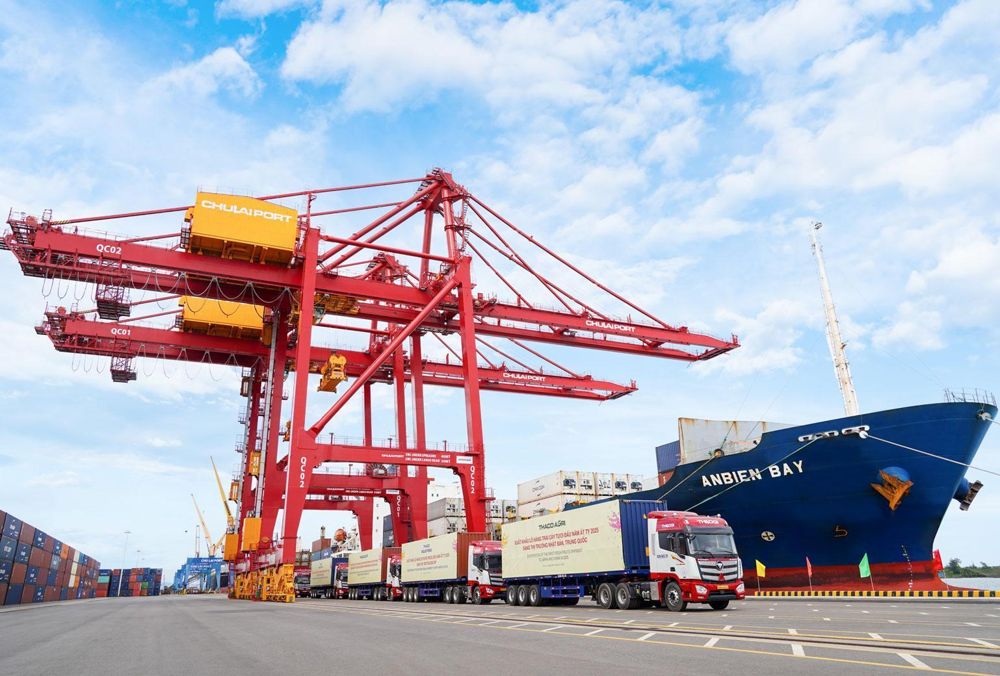
Businesses should monitor vessel schedules, any transshipment ports, and the estimated arrival date in Vietnam. They should also agree on how loading photographs, container numbers, seal numbers, and shipping documents will be provided for comparison when the shipment arrives.
4.3. Step 3: Register for Phytosanitary and Other Required Inspections
When handling cashew nut imports, businesses should coordinate with the relevant authority to register for phytosanitary inspection and complete the applicable inspection procedures.
Guidance reported from Ho Chi Minh City Customs in 2022 identified raw cashew nuts as subject to specialized inspections, including phytosanitary and food safety checks. However, businesses must verify the regulations in force, the intended use, and any applicable inspection exemptions when registering the declaration. Historical guidance should not be applied automatically to every shipment.
Preparing documents early helps businesses schedule inspections and sampling where required, while limiting waiting time at the port.
4.4. Step 4: Submit the Customs Declaration and Complete Clearance
Businesses submit an electronic customs declaration with accurate information on the goods, HS classification, customs value, origin, and import procedure. HS classification and tax obligations should be determined from the product characteristics, supporting documents, and applicable regulations.
Depending on the assigned customs inspection channel, authorities may review the documents or physically inspect the goods. Businesses must provide any additional documentation, fulfill tax obligations, and meet specialized inspection requirements before the shipment qualifies for clearance.
4.5. Step 5: Receive and Inspect the Shipment at the Warehouse
After completing the required procedures, businesses arrange container delivery to an appropriate receiving location. When opening the container, they should record the condition of the seal and packaging, as well as the actual weight and quality of the goods.
If shortages or signs of mold or moisture damage are found, retain photographs and written records, and arrange inspection in accordance with the contract. Complete receiving records support any subsequent discussions or claims involving the seller, carrier, or insurer.
5. Choose Customs Clearance and Logistics Services
Businesses using customs clearance and logistics services should request a quotation that clearly separates the scope of work and each cost category. They should establish whether the provider will review documents, submit customs declarations, coordinate specialized inspections, or deliver the goods to the warehouse.
Beyond pricing, the ability to provide progress updates and resolve documentary discrepancies is worth considering. Businesses must still provide accurate cargo information and cooperate in reviewing the documents before a declaration is submitted.
PNP Global Supply provides customs clearance and transportation services. Businesses can review PNP Global Supply’s customs clearance services and submit details of their raw cashew shipment to discuss the appropriate scope of support, documentation, and costs.
Explore PNP Global Supply’s customs clearance services
6. Conclusion
Importing raw cashew nuts from Africa requires coordinated control of sourcing, purchase terms, and import procedures in Vietnam. Verifying suppliers, assessing quality properly, and preparing documents early can help reduce risks when receiving the goods. Contact PNP Global Supply to discuss customs clearance and transportation support for your specific shipment.
Contact us:
Facebook: PNP Logistics
Phone: 039 880 2946
Email: info@pnpglobalsupply.com
Website: PNP Global Supply