In agricultural import and export activities, plant quarantine registration is a mandatory requirement for many types of plant-based goods. This procedure helps businesses comply with Vietnamese regulations and the requirements of importing countries. It is also necessary for obtaining a phytosanitary certificate, an important document for customs clearance and export shipments.
However, many businesses still want to know how much plant quarantine registration services cost, what fees are involved, and how to optimize expenses. This article explains plant quarantine fees, the registration process, required documents, and the main factors that affect service costs.
1. What Is Plant Quarantine Registration?
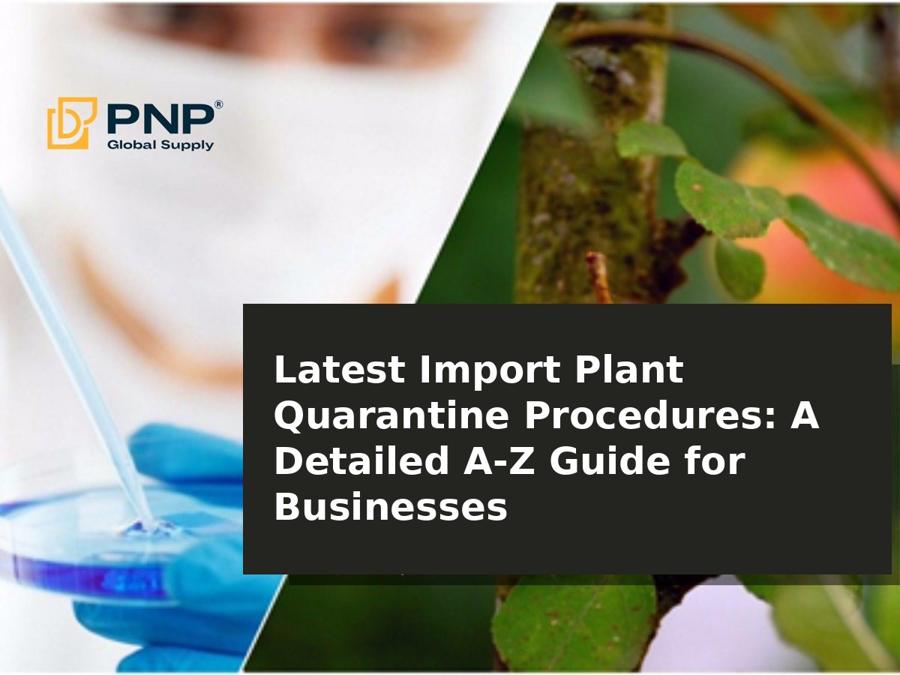
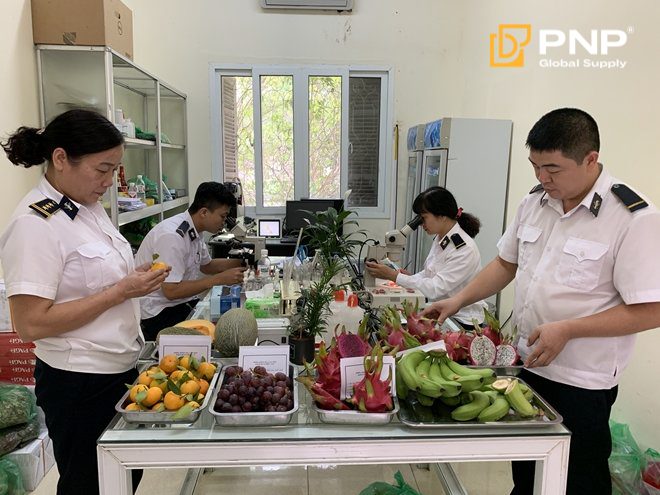
Plant quarantine registration is a procedure carried out with the competent quarantine authority to inspect whether a shipment contains pests, harmful insects, or other factors that may affect the biosecurity of the importing country.
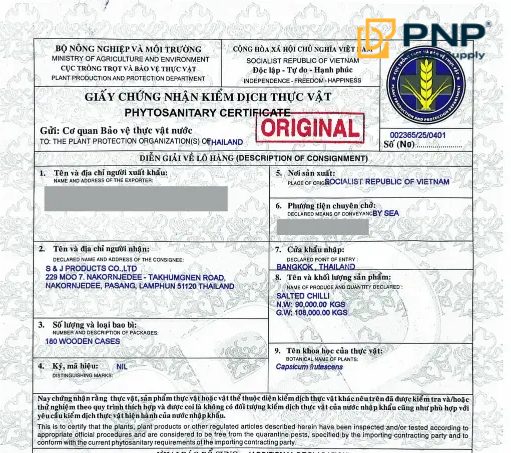
After the shipment meets the required conditions, the authority issues a phytosanitary certificate to the business. This is an important document in export dossiers for many types of goods, such as:
- Cashew nuts
- Coffee
- Black pepper
- Rice
- Vegetables and fruits
- Seeds
- Wood and wood products
- Processed agricultural products
Many countries require a phytosanitary certificate before allowing plant-based goods to enter their markets.
2. Why Do Businesses Need to Register for Plant Quarantine?
In international trade, countries apply strict regulations to prevent the spread of pests and plant diseases. Registering for plant quarantine helps businesses:
- Ensure that goods meet the import requirements of the destination country.
- Reduce the risk of shipments being refused customs clearance or forced to be re-exported.
- Improve credibility in export activities.
- Meet requirements related to product traceability and quality.
- Prepare documents related to origin of goods and export records more effectively.
For businesses exporting agricultural products, this is an almost essential procedure in international trade.
3. How Much Does the Plant Quarantine Registration Service Cost?
In practice, the cost of plant quarantine registration is usually divided into two main groups: government fees and service fees for document processing.
3.1. Government Fees
This is the fee that businesses pay to the quarantine authority according to current regulations. The level of plant quarantine fees may vary depending on type of goods, shipment volume, export method, physical inspection requirements, and importing country.
For agricultural export shipments, state quarantine fees may range from several hundred thousand VND to several million VND, depending on the case. Businesses may also incur extra costs for sampling, testing, or technical treatment if required by the authorities.
3.2. Service Fees for Document Processing
If a business uses a logistics provider or an import-export service company, additional service fees will apply. These fees depend on application complexity, export item type, required processing time, number of shipments, and the experience of the service provider.
In general, service fees for supporting plant quarantine registration may range from several hundred thousand to several million VND per application.
4. Factors Affecting Plant Quarantine Costs
Not all shipments have the same cost. Several key factors can affect the total cost of plant quarantine registration.
4.1. Type of Goods
Items with a higher risk of carrying pests often require stricter inspection procedures. Examples include fresh fruits and vegetables, seeds, and raw timber. Quarantine costs are usually higher for fresh agricultural products than for processed agricultural products.
4.2. Export Market
Each country has its own regulations for imported goods. Markets such as the United States, Japan, South Korea, Australia, or Europe often require stricter quarantine standards, which may lead to additional procedures and related costs.
4.3. Shipment Volume
Shipments with large volumes or many different goods usually require more time for inspection. This can increase both quarantine fees and processing service costs.
4.4. Quarantine Treatment Requirements
In some cases, goods must undergo additional treatment, such as fumigation, sterilization, heat treatment, or additional testing. These services will increase the total cost of the shipment.
5. What Documents Are Required for Plant Quarantine Registration?
To obtain a phytosanitary certificate, businesses need to prepare all required documents. A typical dossier may include the plant quarantine application form, foreign trade contract, commercial invoice, packing list, bill of lading or transport document, shipment information and inspection location, and documents related to origin of goods if required.
Preparing all necessary documents from the beginning helps businesses reduce processing time and avoid additional costs.
6. Procedure for Obtaining a Plant Quarantine Certificate
6.1. Step 1: Prepare the Documents
The business collects all documents related to the export shipment.
6.2. Step 2: Submit the Application
The dossier is submitted to the competent plant quarantine authority or through the electronic system.
6.3. Step 3: Physical Inspection of Goods
The authority conducts sample inspection or on-site inspection at the warehouse, factory, or export port.
6.4. Step 4: Evaluate the Results
If the goods meet quarantine requirements, the application will be approved.
6.5. Step 5: Issue the Certificate
The business receives the phytosanitary certificate to complete the export documentation.
7. The Role of Phytosanitary Certificates
A phytosanitary certificate is an international document confirming that a shipment is free from pests and meets the quarantine requirements of the importing country.
This document helps businesses clear goods through customs more smoothly, meet the requirements of importing-country customs authorities, increase credibility with international partners, and reduce the risk of goods being held at the port or refused for import.
For the agricultural sector, not having a phytosanitary certificate can cause significant losses in both time and cost.
8. Should Businesses Hire a Plant Quarantine Registration Service?
For businesses that are new to exporting or do not have a dedicated import-export documentation team, using a professional support service can be a practical solution.
A professional service provider can help businesses receive accurate advice from the beginning, minimize errors, reduce processing time, control unexpected costs, and synchronize related procedures such as customs declarations, certificates of origin, and logistics.
This allows businesses to focus more on production and export market development.
Conclusion
The cost of plant quarantine registration does not have one fixed price. It depends on the type of goods, shipment volume, importing market requirements, and the scope of service used. In addition to plant quarantine fees under government regulations, businesses may incur service fees if they hire an external provider to support the dossier.
Preparing complete documents, understanding the process, and choosing a reliable consulting partner can help businesses obtain a phytosanitary certificate more quickly. This supports a smoother export process and helps save time and costs.
Contact us for more information
Facebook: PNP Logistics
Phone: 039 880 2946
Email: info@pnpglobalsupply.com