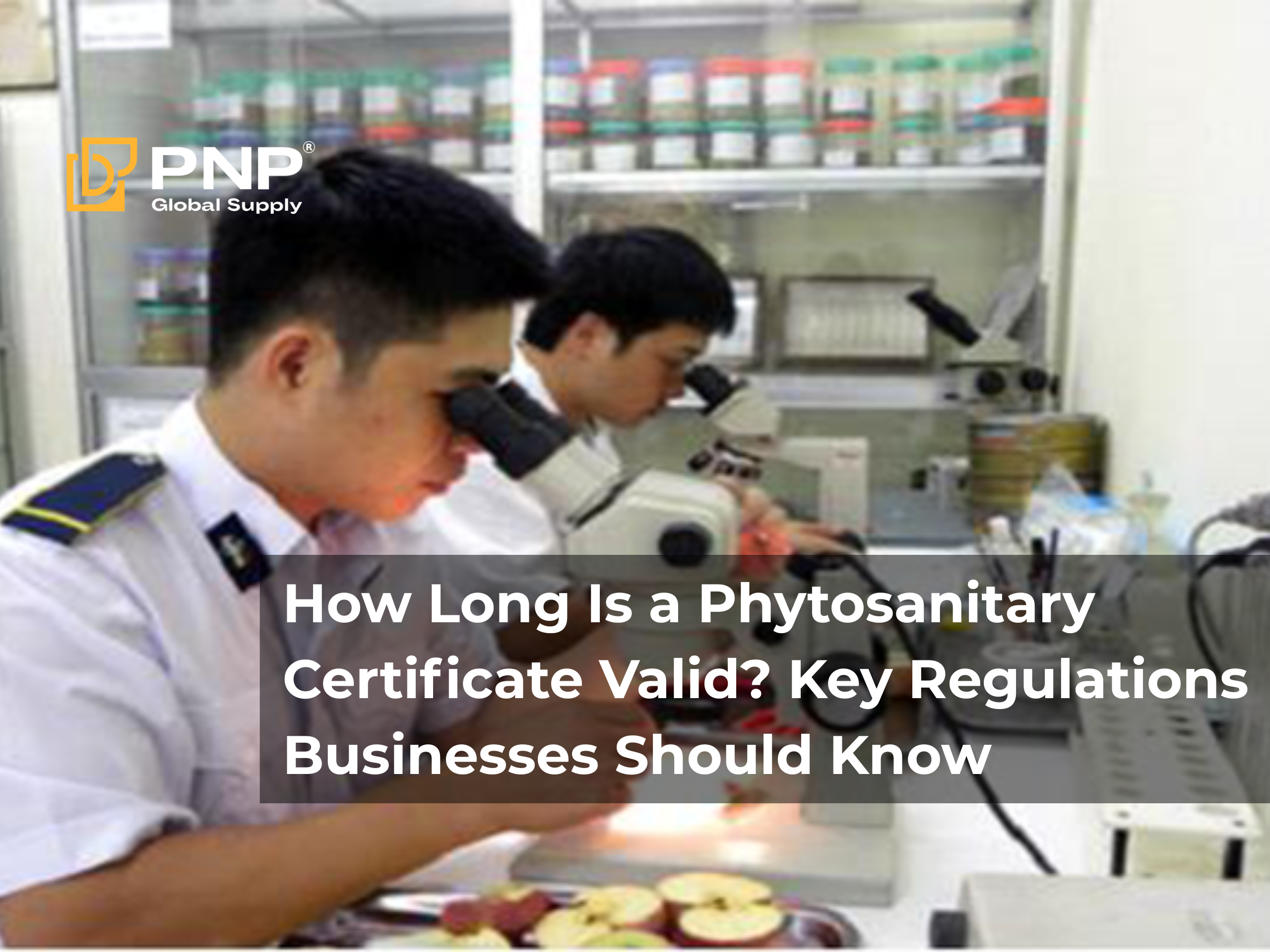
Plant quarantine is a mandatory procedure for many agricultural products involved in international trade. It helps prevent the spread of harmful pests and ensures compliance with the requirements of regulatory authorities. During the import and export process, many businesses wonder how long a phytosanitary certificate remains valid and when a new plant quarantine inspection may be required.
This article explains the validity of phytosanitary certificates and highlights important considerations for businesses engaged in international trade.
1. What You Need to Know About Plant Quarantine
1.1. Purpose of Plant Quarantine
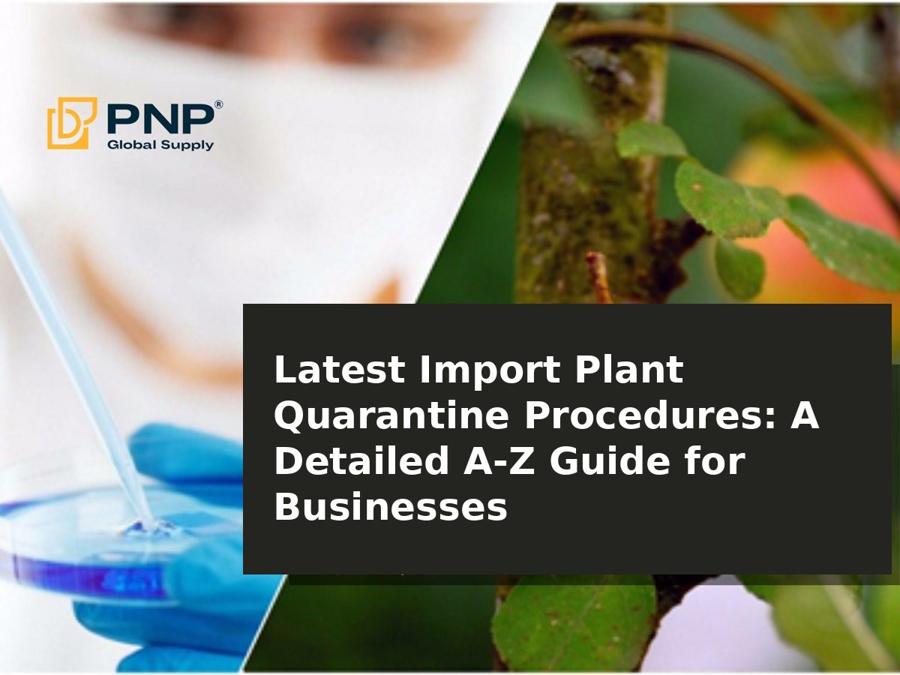
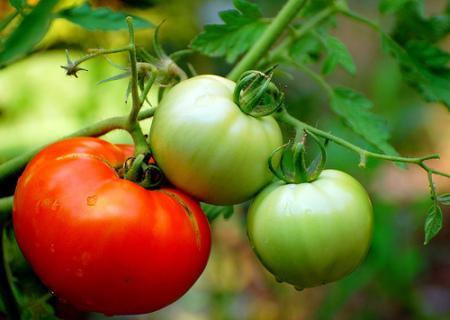
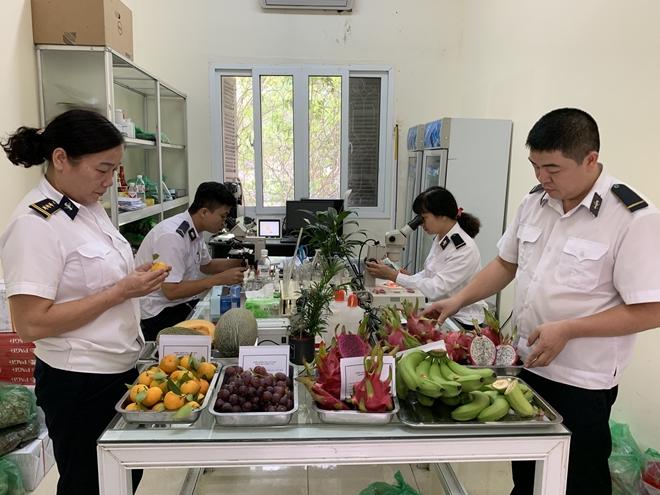
Plant quarantine aims to inspect and prevent the spread of harmful organisms that may affect plants and plant products during import and export activities. It also serves as the basis for authorities to issue a phytosanitary certificate for shipments that meet the required standards.
1.2. Products Subject to Plant Quarantine
Plant products, agricultural commodities, and goods derived from plants that fall under regulatory control are generally required to undergo plant quarantine procedures before importation or exportation.
2. How Long Is a Phytosanitary Certificate Valid?
2.1. When Is a Phytosanitary Certificate Used?
A phytosanitary certificate is issued after a shipment has successfully completed the required inspection and complies with plant quarantine regulations. This document is used during import and export customs procedures and serves as proof that the shipment meets phytosanitary requirements.
2.2. Phytosanitary Certificate Validity and Cases Requiring Re-Inspection
After completing the plant quarantine process, businesses will receive a phytosanitary certificate for the registered shipment. This certificate confirms that the shipment met the required quarantine standards at the time of inspection and is an essential document in the import-export documentation package.
In practice, a phytosanitary certificate is issued for a specific shipment and is directly linked to the actual condition of the goods at the time of inspection. Therefore, it cannot be reused for other shipments or applied repeatedly to different consignments.
Businesses are advised to conduct plant quarantine inspections as close as possible to the export or import date to ensure that the information on the certificate accurately reflects the condition of the shipment during customs clearance.
Although specific regulations may vary depending on the product type and destination market, companies should note that extended storage periods or changes to shipment information after a certificate has been issued may result in additional inspections or supplementary documentation requirements.
Common situations that may require a new plant quarantine inspection include:
- The actual shipment information no longer matches the details provided in the original quarantine application.
- The shipment is stored for an extended period before export or import.
- Changes are made to the quantity, packaging specifications, or shipment structure after the certificate has been issued.
- The port of export, shipment location, or transportation method differs from the information declared in the original application.
- Additional inspections are required by quarantine authorities or the importing country.
- Signs of pests, mold, or other factors affecting product quality are detected during storage or transportation.
2.3. Important Notes When Conducting Plant Quarantine
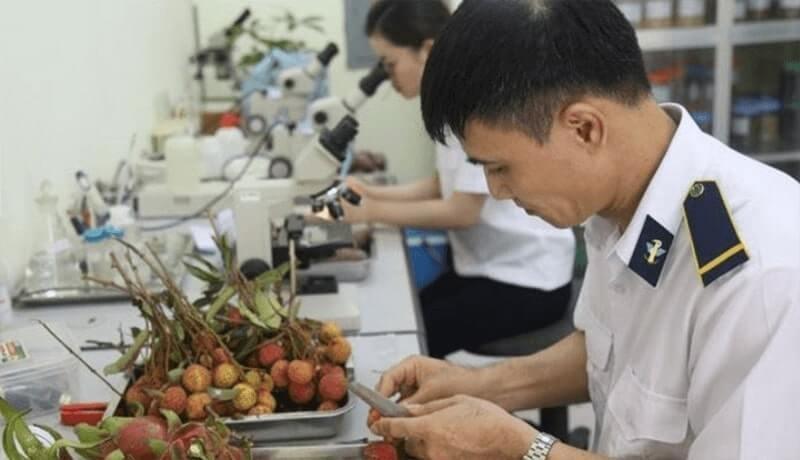
- Prepare Complete and Accurate Documentation: All information regarding the goods, quantity, origin, and import-export purpose should be declared accurately to avoid repeated amendments or additional document requests.
- Register for Plant Quarantine Early: Businesses should arrange phytosanitary inspections before the scheduled shipment date to allow sufficient time for document processing, cargo inspection, and certificate issuance, minimizing disruptions to logistics plans.
- Verify Certificate Information Carefully: After receiving the phytosanitary certificate, companies should review details such as product name, quantity, weight, exporting country, and importing country to ensure consistency with other trade documents.
- Monitor Import Country Requirements:Each country may have different phytosanitary regulations and standards for plant products. Understanding these requirements in advance can help businesses avoid customs clearance delays and compliance issues.
- Work with Experienced Service Providers When Necessary: For urgent shipments, businesses may consider using professional logistics and compliance services such as PNP Global Supply. Experienced service providers can assist with documentation, expedite plant quarantine procedures, obtain same-day results when available, and support faster cargo handling to help maintain shipping schedules.
3. Conclusion
Plant quarantine is an important regulatory procedure that helps ensure shipments comply with import and export requirements and qualify for the issuance of a phytosanitary certificate. Since the certificate is issued for a specific shipment, businesses should conduct inspections at the appropriate time, prepare complete documentation, and ensure the certificate is used in accordance with the shipment plan. Proper preparation can help facilitate smoother customs clearance and reduce the risk of delays in international trade.