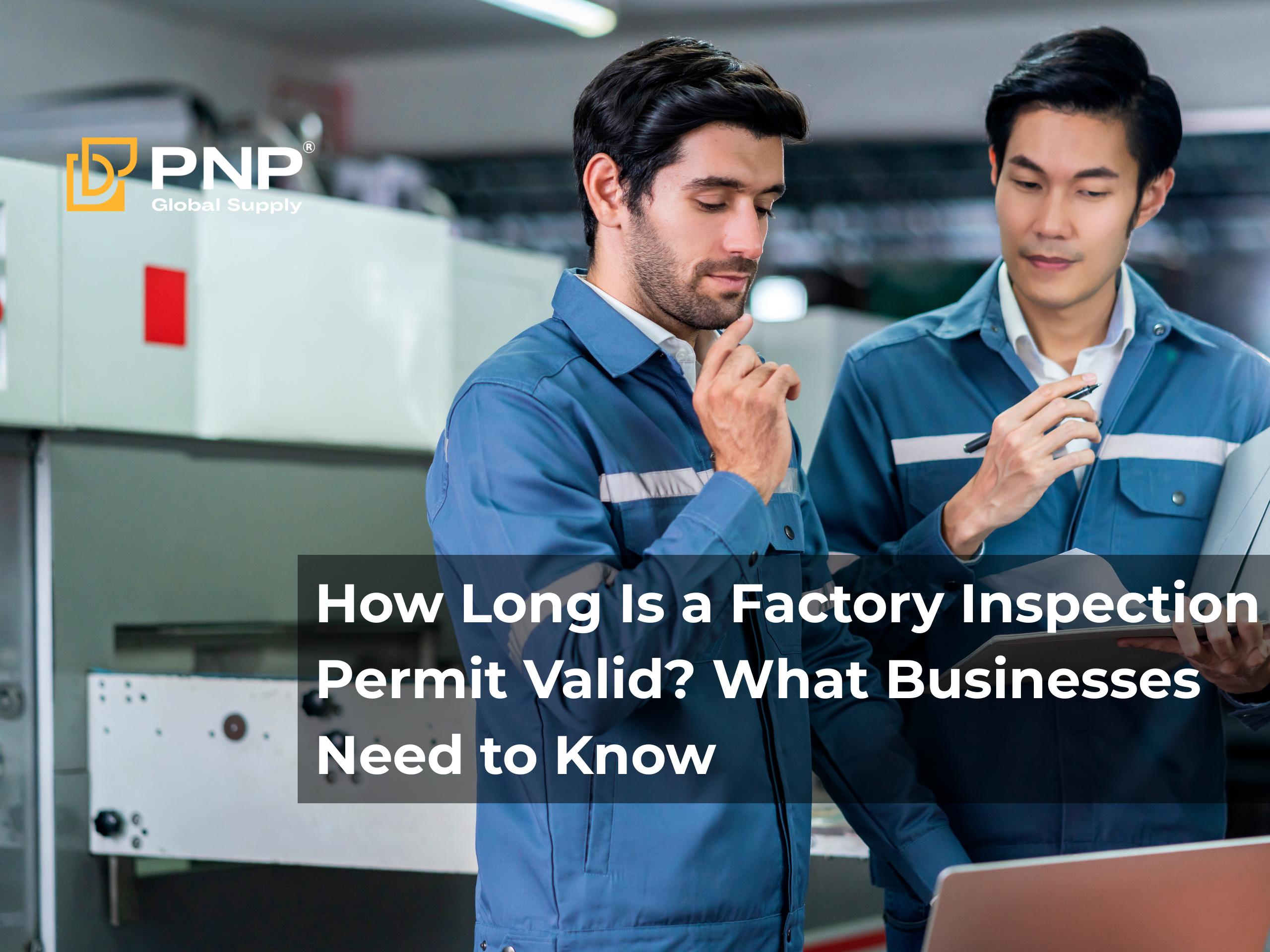
In the production, warehousing, and trading of goods, ensuring that infrastructure meets safety and quality requirements is extremely important. This is especially true for many businesses, particularly those operating in the manufacturing, warehousing, and trading sectors.g import and export sector, implementationfactory inspectionThis not only helps ensure operating conditions but also provides a basis for meeting requirements from partners, customers, and regulatory agencies.
One of the issues that many businesses are currently concerned about isThis is:How long is a factory inspection permit valid for?After receiving a certificate or inspection result, can the business use it permanently, or must it undergo periodic assessments?
This article will help you understand the validity period of factory inspection certificates, the circumstances requiring re-inspection, and important considerations to ensure your factory always complies with current regulations.
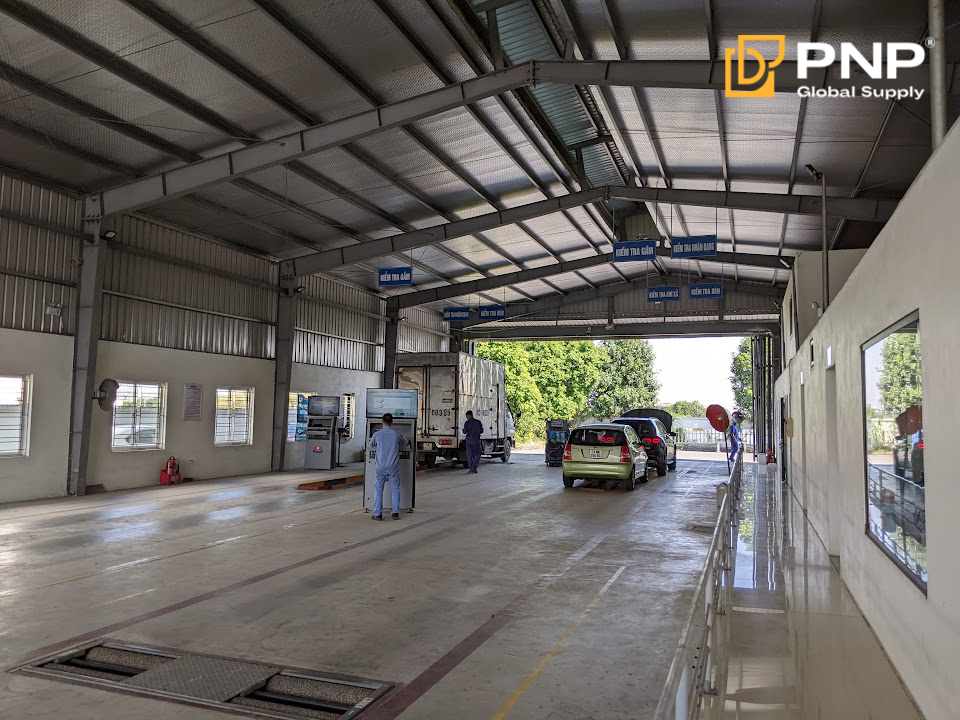
1. What is Factory Inspection?
Factory inspectionIt is the process of evaluating the safety, load-bearing capacity, and quality of the unfinished factory building.through surveying, measuring, and analyzing technical items.
This activity aims to determine whether the factory meets operational, production, and occupational safety requirements. The inspection results are often used for internal management, completing legal documentation, or meeting the requirements of domestic and international partners.
For export-oriented manufacturing businesses, factory inspection is also a crucial part of building a quality management system and meeting international customer standards.
2. What is a Factory Inspection Certificate?
In practice, many businesses commonly refer to the results of a factory inspection as a “factory inspection certificate.” However, depending on the specific case, businesses may receive different types of documents, such as:
- Factory inspection report.
- Report on the current condition of the construction project.
- Certification of eligibility for operation.
- Construction project acceptance or quality certification documents.
- Certifications are obtained at the request of clients or independent testing organizations.
These documents serve as proof that the factory has been inspected and meets the technical requirements according to applicable regulations or standards.
3. How long is a factory inspection permit valid for?
This is a question that many businesses are concerned about when implementing it.factory inspection.
In reality, the validity period of a factory inspection license or certification is not entirely uniform but depends on the purpose of the assessment, the requirements of the partner, and the regulations of each field of activity.
Typically, for construction inspection reports, the inspection results remain valid as long as the factory’s condition hasn’t changed significantly. However, many businesses still conduct periodic inspections every 1 to 3 years to ensure the building always meets safety requirements.
For factory assessment programs serving exports or inspections by foreign customers, the certification period typically ranges from 12 to 24 months. After this period, businesses may need to undergo a reassessment to maintain the validity of the certification.
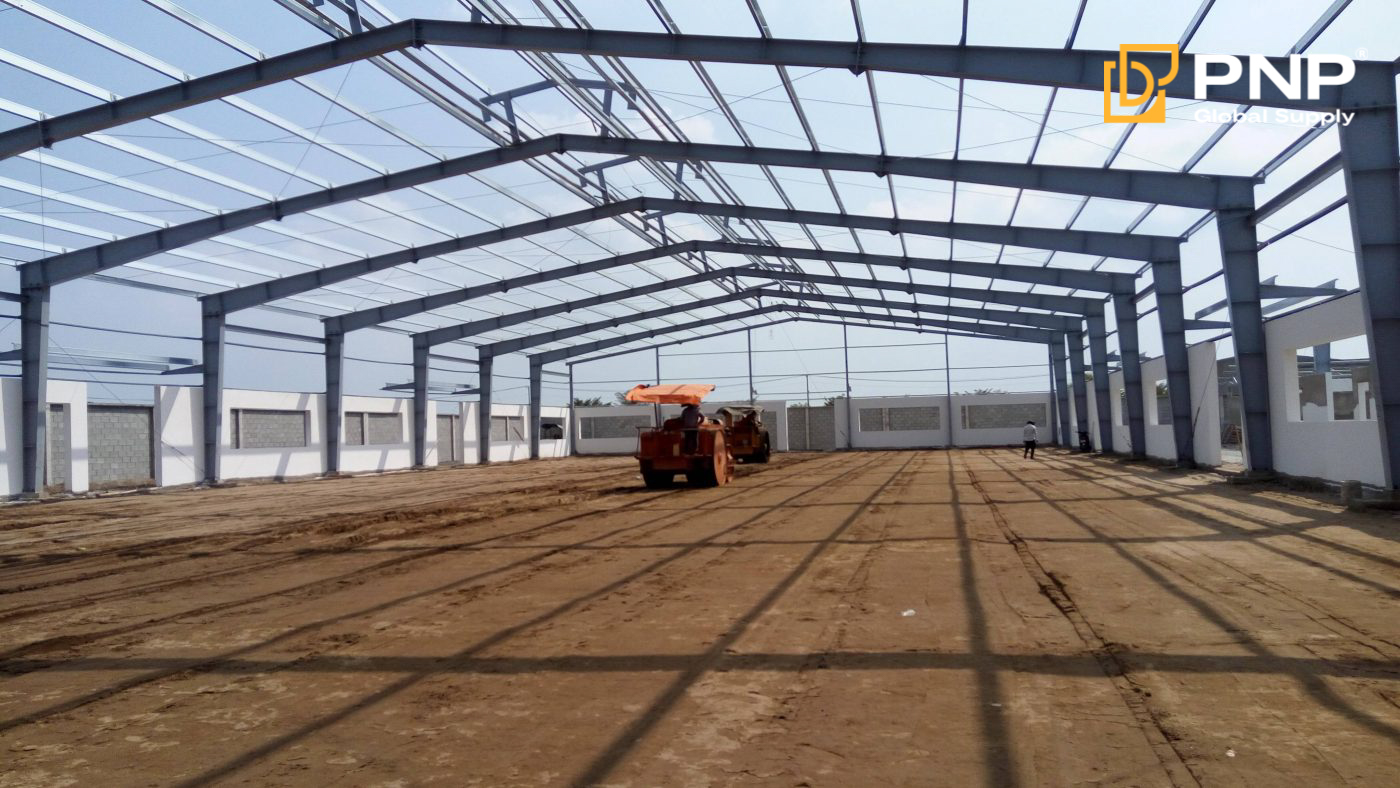
4. Why is periodic factory inspection necessary?
Although the factory building had been inspected beforehand, over time various factors can arise that affect its quality and safety.
Environmental factors, machinery loads, vibrations during production, or weather elements can cause the structure of a building to gradually deteriorate over time.
Regular inspections help businesses detect early signs of abnormalities such as structural cracks, ground subsidence, steel corrosion, or technical system failures. This allows for timely repairs before serious incidents occur.
Furthermore, maintaining up-to-date certification records helps businesses build trust with customers and partners.
5. Cases Requiring Re-verification
5.1 When the Factory is Renovated or Expanded
If a business undertakes upgrades, expansions, or structural changes to its buildings, a reassessment is necessary to ensure the structural integrity and safety of the factory.
Changes in intended use may also give rise to new inspection requirements.
5.2 When Installing Machinery with Heavy Loads
Many businesses are investing in additional modern production lines or machinery systems with higher load capacities than initially designed.
In this case, a re-inspection is necessary to assess the load-bearing capacity of the foundation and the factory structure.
5.3 When Signs of Deterioration Appear
If the factory exhibits the following symptoms:
- Cracks in the wall.
- Cracks in beams or columns.
- Ground subsidence.
- The factory roof is sagging.
- The steel frame system is corroded.
Businesses should conduct inspections immediately to ensure the safety of their production operations.
5.4 When requested by a partner or client.
For businesses operating inimport and export sectorReceiving evaluation teams from international clients is very common.
Many partners require businesses to provide valid factory inspection certificates, or certificates issued within a specific timeframe, before signing a contract.
6. Standards that a Manufacturing Plant Must Meet
To ensureTo operate stably and meet market demands, businesses need to build factories according to proper procedures.factory production standards.
First and foremost, the structure must be stable, ensuring load-bearing capacity and suitability for the scale of production. Components such as columns, beams, foundations, and roofing systems need to be designed according to technical standards.
In addition, the fire protection system must fully comply with current regulations. This is one of the aspects that is regularly checked during the factory evaluation process.
In addition, the production environment must be well-ventilated, clean, and equipped with adequate occupational safety measures to protect the health of workers and maintain product quality.
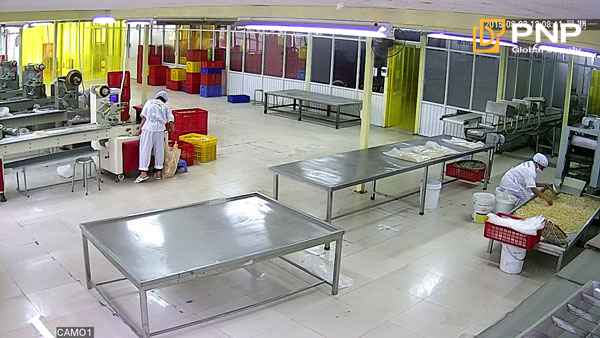
7. The Role of Factory Inspection in the Import and Export Sector
Currently, many businesses are participating.import and export sectorWe must comply with increasingly stringent standards from international customers.
In addition to product quality, partners also carefully assess the production conditions, working environment, and safety level of the factory.
A fully inspected factory will help businesses:
- Increase your credibility with customers.
- Easily passed factory audits.
- Meets the requirements of international certification programs.
- Minimize legal risks during operations.
- Enhance competitiveness in the export market.
This is why many businesses proactively conduct periodic inspections instead of only checking when requested.
8. Are Logistics Services Related to Factory Inspection?
For businessessupply industrylogistics servicesFactories, workshops, and warehouses are particularly important components.
Warehouses need to meet requirements regarding load capacity, structural safety, and goods storage conditions. If the infrastructure does not meet standards, businesses may face the risk of goods damage or supply chain disruptions.
Therefore, many logistics businesses regularly conduct factory and warehouse inspections.Warehouses are designed to ensure service quality and meet customer requirements.
9. Experience in Maintaining the Validity of Factory Audit Records
To avoid problems related to inspection records, businesses should develop a plan for regular inspections from the outset.
Maintaining complete records of inspection reports, repair logs, and maintenance records will make it easier for businesses to prove the condition of their facilities when needed.
In addition, businesses should regularly inspect the condition of their factories to detect early signs of deterioration and address them promptly.
This is an effective solution that helps extend the lifespan of the structure and limit major repair costs in the future.
Conclude
Sentence ask How long is a factory inspection permit valid for?There is no fixed timeframe that applies to all cases. Depending on the intended use, customer requirements, and the actual condition of the project, the timeframe may vary.
However, to ensure safety and meet the requirements inimport and export sector, dbusinesses should dofactory inspectionRegularly, every 1 to 3 years, or whenever there are major changes to the structure and intended use.
Maintaining the factory properly.g factory production standardsThis not only helps businesses operate stably but also enhances their reputation with customers, partners, and other users.logistics servicesin the supply chain.