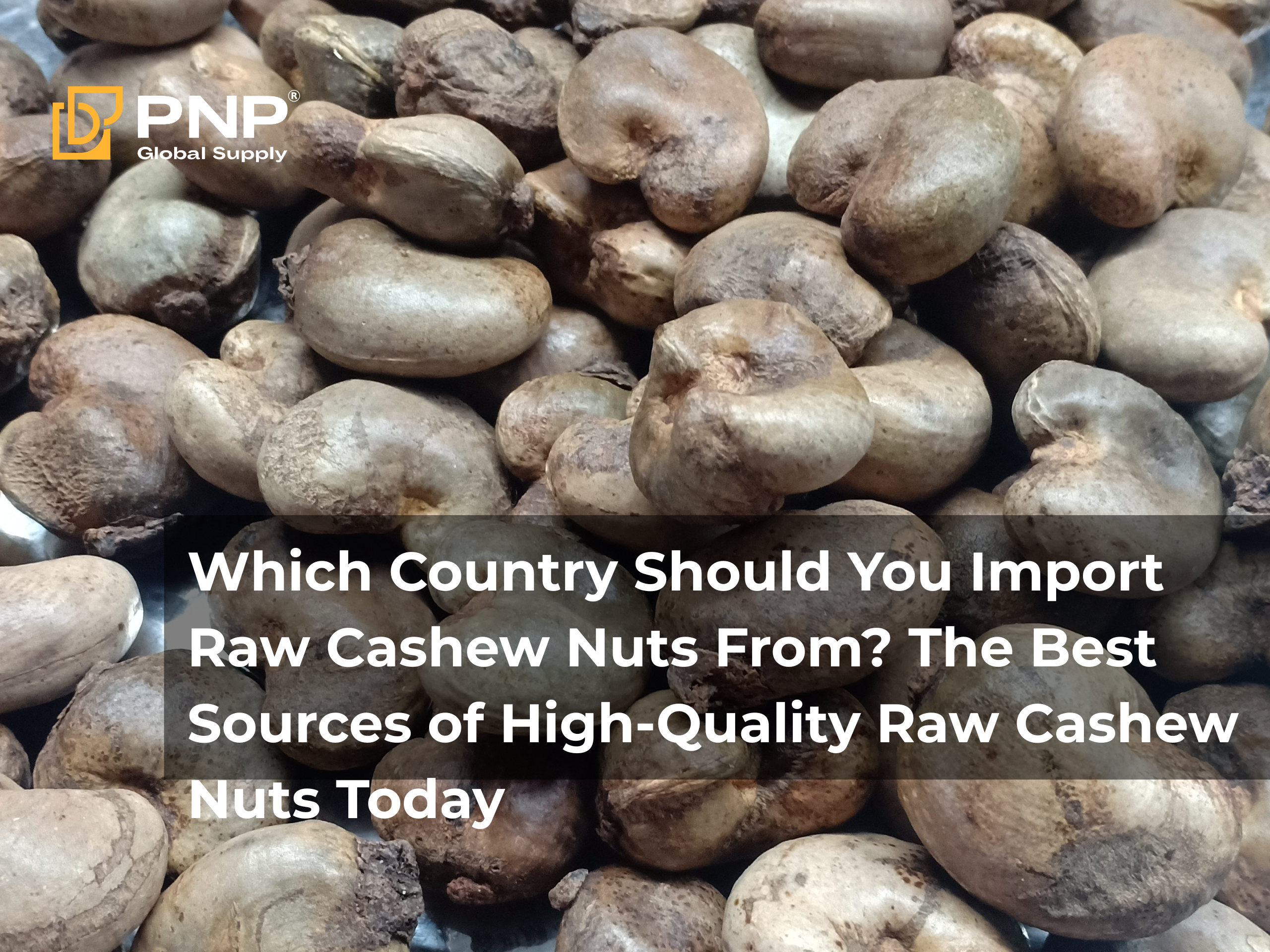
For many years, Vietnam has consistently been among the world’s leading cashew processing and exporting countries.However, domestic raw material sources only meet a portion of production needs, making operations difficult.cashew nut imports from African countries such as Ivory Coast, Ghana, Nigeria, Tanzania, and Cambodia are increasingly participating.
To ensure that raw materials meet quality standards and export requirements, businesses need to understand the following:import processFor raw cashew nuts, this process includes not only import procedures but also involves factory inspections, plant quarantine, and other legal requirements.
Importing raw cashew nuts
1. Overview of the Vietnamese Cashew Nut Import Market
Currently, Vietnam imports cashew nuts.They are mainly in the form of raw cashews for processing into cashew kernels for export. Businesses are concentrated in Binh Phuoc, Dong Nai, Binh Duong and the Central Highlands.
The reasons why businesses have to increase imports of raw cashew nuts include:
- Domestic raw material sources are not sufficient to meet processing capacity.
- The quality of raw cashews from some African countries pSuitable for production requirements.
- Enhance the capacity to fulfill large export orders.
- Leverage the advantages of modern processing technology in Vietnam.
Therefore, establishing a well-structured import process will help businesses minimize risks and optimize costs.
Step 1: Inspect the Manufacturing Facility Before Importing
Before implementing the import process for raw cashew nuts, businesses need to carefully assess the processing plant’s capabilities. This is a crucial step to ensure that imported raw materials can be received, stored, and used in production efficiently. The factory needs to have adequate warehouse space, good ventilation, and humidity control to minimize mold growth or quality degradation of cashew nuts during storage. In addition, businesses also need to inspect the raw material processing and sorting areas and the quality management system to meet export standards.
For businesses operating in the cashew industry, especially those…Binh Phuoc cashew processing factoryInvesting in modern processing lines not only helps increase productivity but also facilitates the import of raw materials and the export of cashew kernels to demanding markets such as the US, Europe, and Japan. Alongside inspecting facilities, businesses also need to review relevant legal documents to ensure they fully meet the requirements for production and import/export operations.
Step 2: Signing the Raw Cashew Sales Contract
After selecting a suitable supplier, the business proceeds to negotiate and sign a foreign trade contract with its foreign partner. The contract serves as a crucial legal basis to protect the rights of both the buyer and the seller throughout the transaction. Clauses regarding raw material quality, kernel recovery rate, moisture content, impurity levels, delivery conditions, and payment methods must be clearly defined to minimize future disputes.
In reality, the quality of raw materials directly impacts production efficiency and business profitability. Therefore, specifying technical standards in contracts will help businesses proactively control risks and ensure that raw materials meet processing requirements.
Step 3: Apply for an Import Phytosanitary Permit
Since raw cashews are a plant-based product, businesses need to complete certain procedures before importing them into Vietnam.Applying for an import plant quarantine permit.In accordance with regulations of the relevant specialized agency, the purpose of this activity is to prevent harmful organisms, pests, or pathogens from entering Vietnam from abroad, thereby protecting domestic agricultural production.
The quarantine registration process is usually done online or by submitting documents directly according to the instructions of the plant quarantine agency. The registration dossier must provide complete information about the shipment, the exporting country, the importing location, and relevant commercial documents. Preparing accurate documentation from the outset will help businesses save processing time and reduce the risk of incurring additional storage and warehousing costs at the port.
Step 4: Prepare Import Customs Documents
When a shipment is about to arrive at the port, businesses need to prepare all the necessary documents to complete customs procedures. This is one of the most important steps in the entire process.import processBecause any errors in the documentation can lead to delays in customs clearance.
Typically, a customs declaration dossier includes a foreign trade contract, commercial invoice, packing list, bill of lading, and documents related to plant quarantine. In addition, in some cases, businesses may need to supplement the documentation with a certificate of origin to benefit from preferential tariffs under free trade agreements that Vietnam is a party to. Thoroughly checking the consistency of these documents before declaration will help ensure a smoother customs clearance process.
Import customs documents
Step 5: Complete Import Customs Procedures
After completing the documentation, businesses proceed to declare the goods on the electronic customs system. The declared information must be accurate regarding the product name, HS code, value, origin, and other relevant details. The customs system will automatically categorize the declaration to determine the level of inspection required for the shipment.
In the case of a green channel clearance, businesses can complete customs procedures quickly. For yellow or red channels, customs authorities will conduct document checks or physical inspections of goods before allowing clearance. After fulfilling tax obligations and inspection requirements as stipulated, businesses will be allowed to receive the goods and transport them to their production warehouse.
Step 6: Conduct Plant Quarantine at the Port
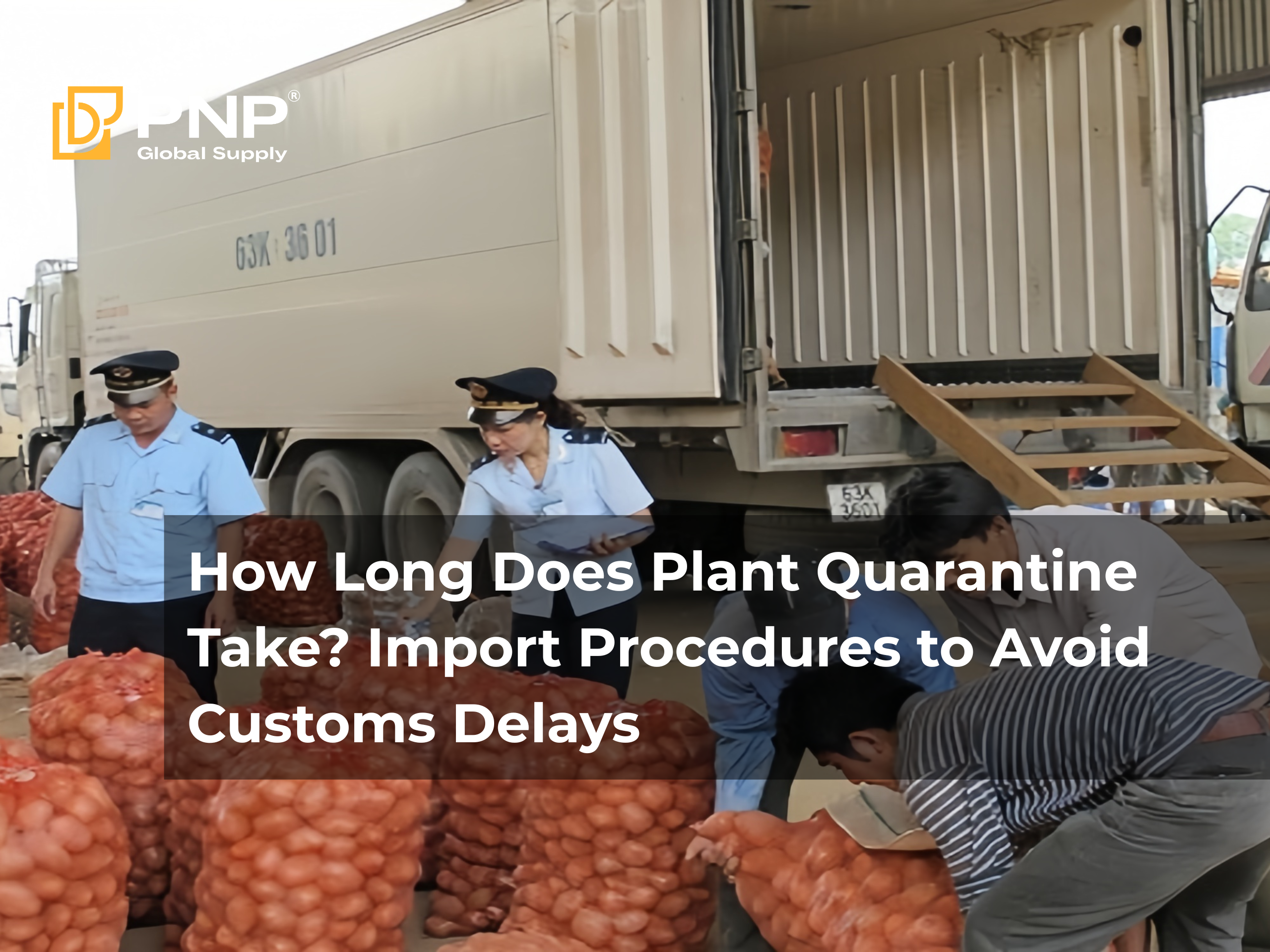
Besides customs procedures, imported raw cashew shipments must also undergo plant quarantine at the port of entry. The quarantine agency will inspect the documentation, compare it with the quarantine certificate from the exporting country, and take samples to assess the risk of pests and diseases.
The inspection process aims to determine whether the shipment contains insects, fungi, or other quarantined pests. If the inspection results meet all requirements, the authorities will issue a quarantine certificate, allowing the business to complete the procedures for receiving the goods. This is a mandatory step to ensure the safety of imported raw materials before processing.
Step 7: Transporting Goods to the Factory and Quality Control
After completing the necessary procedures, the raw cashews will be transported from the port to the factory for production. However, businesses should not process the raw materials immediately but should conduct an initial quality check. Assessing moisture content, percentage of defective kernels, level of impurities, and cashew kernel recovery potential will help businesses accurately determine the quality of the received batch.
In cases where a significant discrepancy is found between the actual quality and the contractual commitments, businesses can use inspection reports as a basis for complaints or claims for compensation from the supplier. This is the final but crucial step in controlling raw material quality and optimizing production and business efficiency.
2. What factors affect the price of imported raw cashew nuts?
Imported raw cashew nut pricesIt usually fluctuates according to:
- Seasonality in the exporting country.
- The quality of the ingredients.
- Kernel recovery rate.
- Sea freight costs.
- Foreign exchange rates.
- Tax policy and international trade.
Businesses should regularly update themselves on the market to choose the right time to import goods and optimize production costs.
The price of imported raw cashews typically fluctuates depending on several factors.
3. Benefits of Establishing a Systematic Import Process
A professional import process helps businesses:
- Reduce customs clearance time.
- Minimize warehousing and storage costs.
- Ensure compliance with plant quarantine regulations.
- Control the quality of raw materials.
- Increase the efficiency of cashew nut production and export.
Conclude
For the cashew industry, constructionimport processA systematic approach from factory inspection to contract signing.Applying for an import plant quarantine permit.Executing customs procedures and conducting post-import quality checks are crucial factors determining business efficiency. In this context…Vietnam imports cashew nuts.With the increasing demand for processing and export, businesses need to proactively update themselves on new regulations, optimize logistics processes, and improve quality control to enhance their competitiveness in the international market.