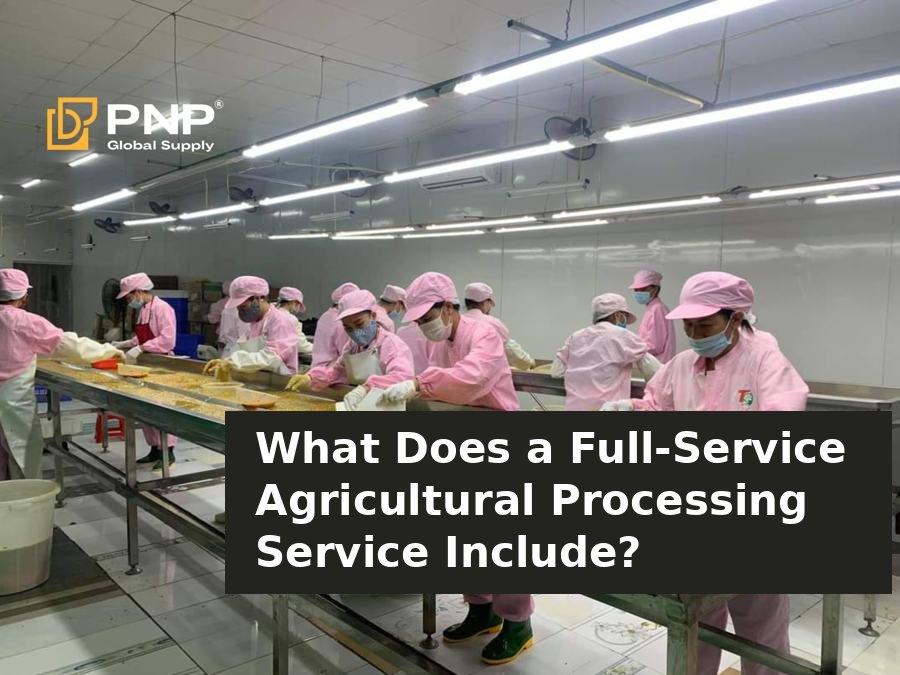
A Full-Service Agricultural Processing Service goes beyond customs procedures for processing goods. It includes factory inspection, phytosanitary checks, inventory management, and customs settlement reporting. It helps businesses save time, reduce errors, and ensure compliant processing and export operations.
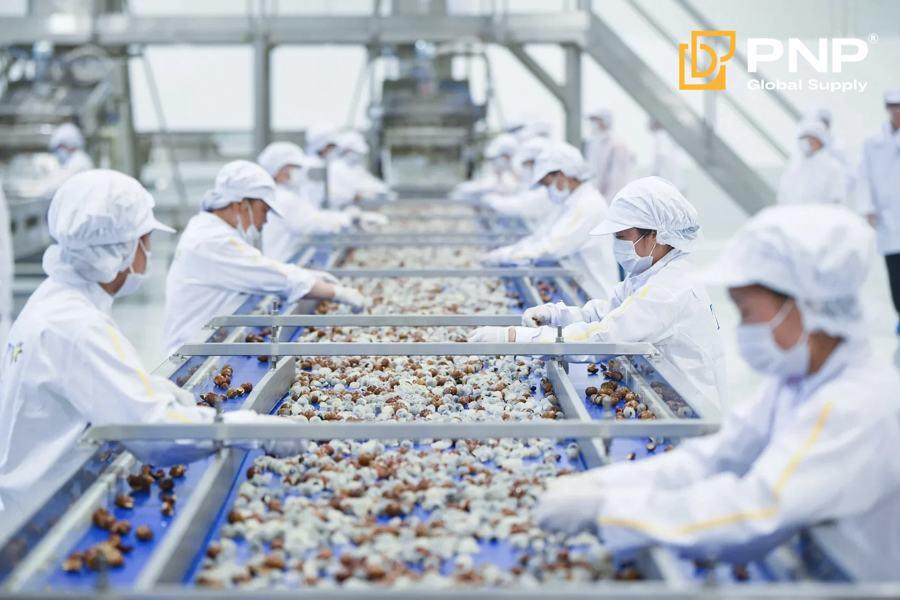
1. What Are Processed Agricultural Products? Which Businesses Should Use Full-Service Services?
- What are processed agricultural products? An overview of processed agricultural products and the characteristics of processing activities carried out for foreign traders.
- Businesses that should use full-service services: Processing enterprises, export manufacturing businesses, or companies carrying out an agricultural processing contract for the first time.
- Benefits of using a full-service solution: Support ranging from production facility inspection, customs procedures for processing goods, and phytosanitary inspection to customs settlement reports for processed goods, helping businesses save time and ensure regulatory compliance.
2. What Does a Full-Service Agricultural Processing Service Include?
2.1. Consulting on Processing Contracts and Completing Legal Documents Before Production
- Consulting on the appropriate processing model: Analyze the processing requirements, determine the applicable customs regime, and advise on management policies for processed agricultural products.
- Reviewing the processing contract with the foreign partner: Check provisions relating to raw materials, consumption norms, processed products, responsibilities of each party, delivery terms, and payment terms to ensure compliance with applicable regulations.
- Preparing legal and customs documentation: Guide businesses in completing licenses, processing contracts, production norms, and other necessary documents before importing raw materials or exporting finished products.
2.2. Supporting Production Facility Inspections in Accordance with Customs Regulations
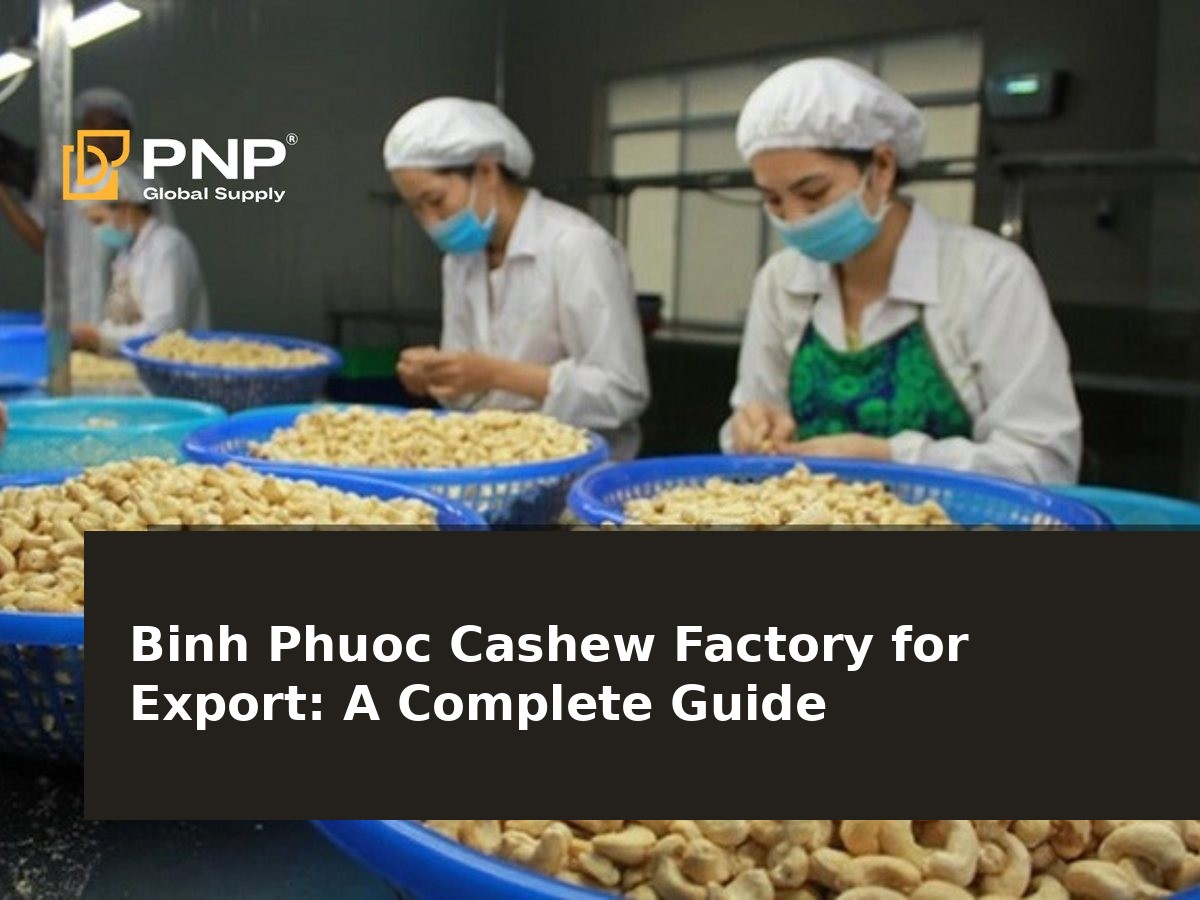
- Assessing factory conditions and production capacity: Evaluate the factory area, production lines, machinery, raw material warehouses, finished-product warehouses, and the ability to fulfill processing orders.
- Reviewing documents proving production facility eligibility: Check operating licenses, factory lease or ownership documents, facility layout plans, and other documents required by customs authorities.
- Supporting businesses during the factory inspection process: Prepare documents, guide businesses on working with the inspection team, and address any additional requirements to ensure that the processing facility meets inspection requirements.
2.3. Handling Customs Procedures for Processed Agricultural Products, Phytosanitary Inspection, and Import/Export Procedures
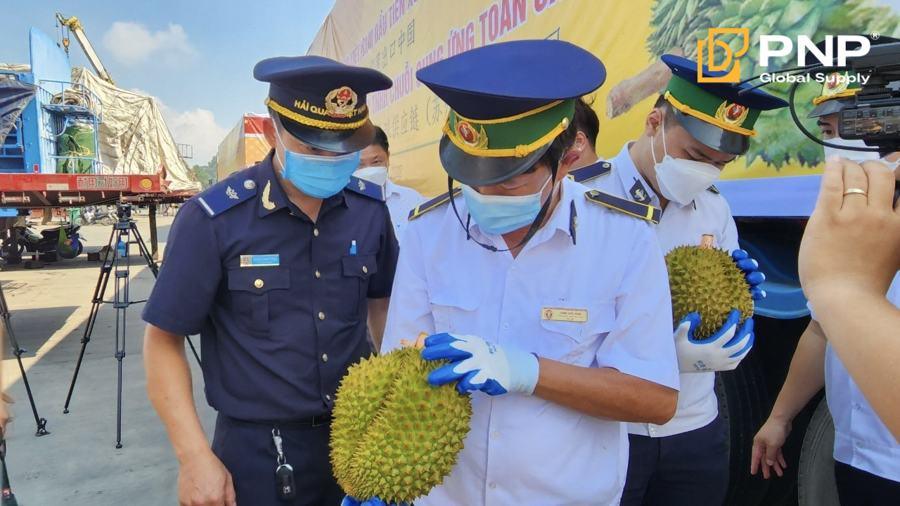
- Registering processing contracts and making customs declarations: Submit declarations through the customs system, open import declarations for raw materials, and export declarations for finished products under the appropriate processing regime.
- Completing customs procedures for processing goods: Prepare documents, handle supporting paperwork, monitor customs clearance channels, and assist in resolving issues arising during the customs clearance process.
- Carrying out phytosanitary and specialized procedures: Register for phytosanitary inspection, obtain the required certificates, and complete specialized procedures based on the specific products and destination markets.
2.4. Managing Raw Materials, Inventory Records, and Production Data
- Monitoring imported raw materials and their use in production: Track the quantities of imported materials, materials issued for production, consumption, inventory, and finished products after processing.
- Preparing daily inventory records: Regularly update daily receipts, issues, consumption, and inventory data for management purposes and reconciliation with customs authorities.
- Controlling production norms and production data: Reconcile imported raw materials, actual production output, and exported finished products to minimize discrepancies during the customs settlement process.
2.5. Preparing, Reviewing, and Submitting Customs Settlement Reports for Processing Activities
- Consolidating all inventory data: Collect data on raw materials, finished products, scrap, defective products, and inventory during the settlement period.
- Preparing customs settlement reports for processing activities: Check the accuracy of data and complete the required forms and documentation in accordance with customs regulations.
- Supporting report submission and explanations: Represent or coordinate with businesses to submit customs settlement reports, provide additional documents, and explain discrepancies when requested by customs authorities.
3. Benefits of Using a Full-Service Agricultural Processing Solution

- Save time and costs: Businesses receive support from consultation and production facility inspection to customs procedures for processed goods, helping shorten processing time and optimize costs.
- Ensure compliance with customs regulations: Support with document preparation, production facility inspection procedures, phytosanitary inspection, and customs settlement reports helps minimize errors and compliance risks.
- Manage the processing operation effectively: Monitor raw materials, maintain daily inventory records, and control data to ensure accurate customs settlement.
- Receive end-to-end support throughout processing and export: Support businesses from initial document preparation through customs clearance, customs settlement, and delivery of goods to the foreign partner.
If your business is looking for a provider of import and export consulting services and full-service agricultural processing support, PNP Global Supply is an experienced partner that can accompany businesses throughout each stage of the process. From customs procedures for processed goods and production facility inspection to phytosanitary inspection, inventory management, and customs settlement reports for processing activities, PNP Global Supply provides a comprehensive solution to help businesses comply with regulations and optimize their import and export processes.
4. Conclusion
To ensure that agricultural processing activities are carried out efficiently, businesses need to understand customs procedures for processed goods and fulfill all requirements related to factory inspections, phytosanitary inspection, raw material management, and customs settlement reports. Careful preparation from the beginning helps ensure that production and export activities proceed smoothly, efficiently, and in compliance with regulations.
Contact Us
Facebook: PNP Logistics
Phone: 039 880 2946
Email: info@pnpglobalsupply.com