Amidst the booming development of Vietnam’s cashew industry, many businesses are choosing to import raw cashews from abroad for processing and exporting cashew kernels to international markets. However, one issue…Frequently asked questions are:Is it possible to import cashew nuts using one unit and export them using a different unit?This issue is directly related to customs management, import and export documentation, and regulations on export production.
This article will help businesses understand the current regulations, permitted cases, and important considerations during the process.import – export seed thing.
1. Overview of Cashew Nut Import and Export Activities
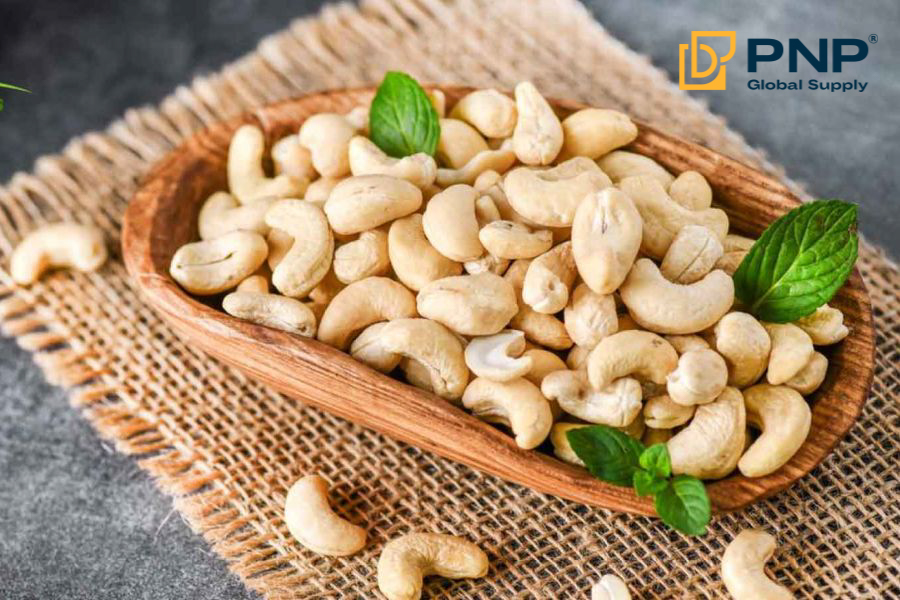
The cashew industry is one of Vietnam’s key agricultural export sectors. Every year, domestic businesses import millions of tons of raw cashews from Africa, Cambodia, and many other countries for processing.
In the current common model, businesses will follow this process:
- Importing raw cashew nuts.
- Processed into cashew nuts.
- ExportExport finished products overseas.
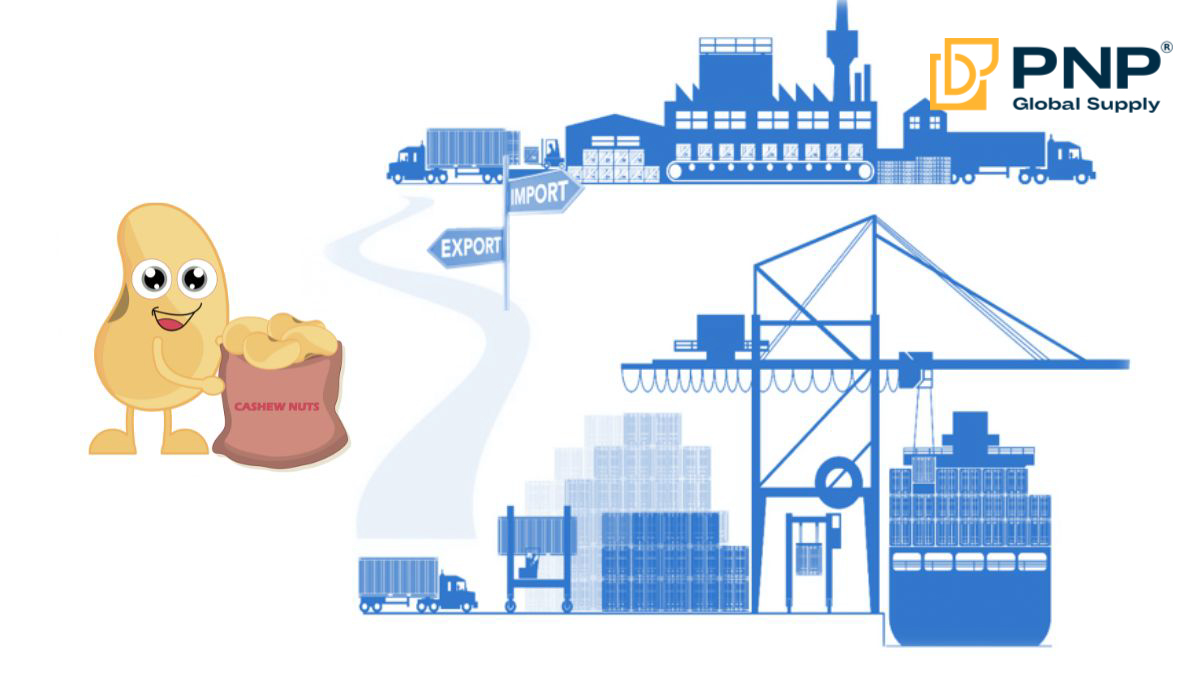
This is an activityimport – exportStrictly regulated by customs authorities to ensure the transparency of input materials.and the output product.
However, not all businesses own processing plants. Many trading companies or raw material investment companies often need to import cashews and then hire another company to process and export them. This raises questions about the legality of using two different legal entities for the import and export stages.
2. Is it permissible to import cashew nuts using one unit and export them using a different unit?
AnswerThe words aremaybe, But They must meet the appropriate conditions and requirements as stipulated by law.
In fact, customs authorities do not require businesses importing raw materials to also be businesses exporting finished products in all cases. However, implementation must be based on the specific type of import and export and must have complete documentation proving the origin of the goods.
If a business imports raw cashews under a normal business model and then resells them to another domestic business, the buying business can process and export the cashew kernels under its own legal name.
In this case, the exporting company needs to keep complete records of:
- Raw material purchase contract.
- Value-added tax invoice.
- Warehouse release form.
- Documentation proving the origin of the raw cashew nuts.
These documents help authorities verify the origin of the raw materials when necessary.
3. Cases of Processing or Manufacturing for Export
Another common scenario is that company A imports raw cashew nuts but does not process them directly; instead, it hires company B to do the processing.
At this time, exports can be carried out through various methods depending on the contract between the parties.
If company A retains ownership of the raw materials and finished products after processing, company A will be the exporter. Company B will only provide processing services and receive a processing fee.
Conversely, if company A sells raw materials to company B after importing them, company B will become the owner of the goods and have the right to export cashew nuts under its own name.
It is crucial that the entire process is clearly documented through a valid commercial contract and accounting records.
4. The Benefits of Separating Import and Export Units
In practice, many businesses choose to separate these two activities in order to optimize costs and improve business efficiency.
Firstly, trading companies can focus on sourcing quality raw materials at good prices without investing in processing plants.
Secondly, factories specializing in cashew kernel production can focus their resources on technology, labor, and improving the quality of their export products.
Thirdly, cooperation among various businesses in the supply chain helps enhance the competitiveness of Vietnam’s cashew industry in the international market.
This model is currently being widely applied in lfieldagricultural import and export, not only with cashews but also with coffee, pepper, rice and many other agricultural products.
5. Risks to Be Aware of in Cashew Import and Export Operations
Although permitted, the act ofUsing two different units in the seriesimport – exportIt also carries some risks if the business does not manage them properly.The file is closed.
One common problem is the lack of documentation proving the origin of raw materials. When customs or tax authorities conduct inspections, businesses may face difficulties in providing explanations if their records are incomplete.
In addition, accurate management of raw material inventory and production quotas is also necessary to avoid discrepancies between the amount of cashew nuts imported and the amount of cashew kernels exported.
For businesses operating in the export manufacturing or processing sector, incorrectly declaring the customs type can lead to tax arrears or administrative penalties.
Therefore, businesses need to establish a robust document management system right from the start.
6. The Role of Logistics in the Import and Export Chain
Besides legal regulations, logistics also play a crucial role in optimizing business efficiency.
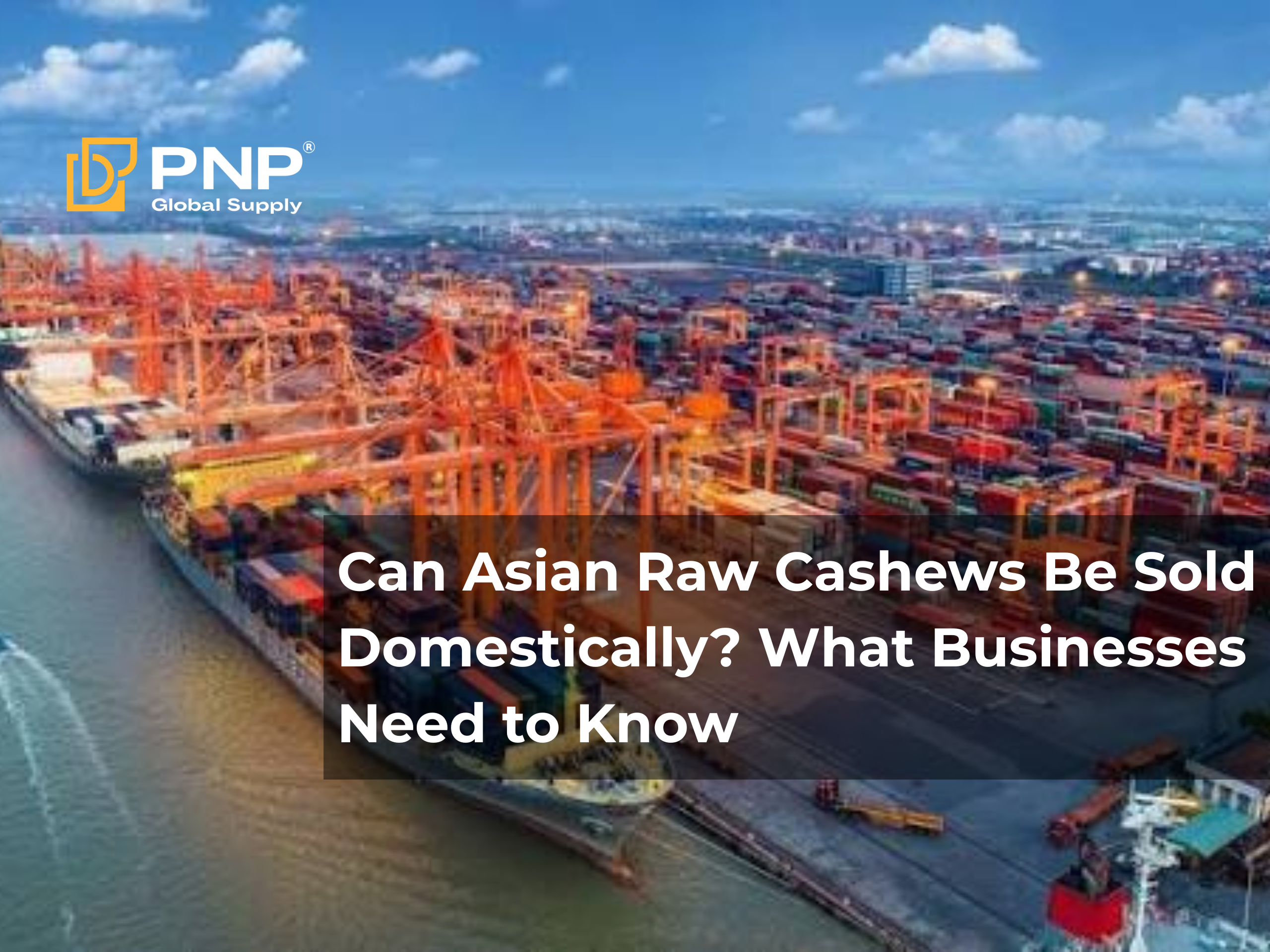
Raw cashew nuts are usually imported from distant countries such as Ivory Coast, Ghana, Nigeria, or Tanzania. After arriving at Vietnamese ports.The goods need to be transported to the factory for processing.
This process requires close coordination between the business and the supplier.import and export logisticsto ensure production progress.
An efficient logistics system will help:
- Reduce shipping costs.
- Optimize delivery times.
- Minimize the risk of material spoilage.
- Ensure timely export according to international contracts.
In the context of increasingly fierce global competition, logistics has become a decisive factor in the profitability of cashew export businesses.
7. Choosing a Reputable Logistics Partner for Import and Export Businesses
To operateimport – exportFor cashew processing to go smoothly, businesses should cooperate with logistics companies that have practical experience in the agricultural and import/export sectors. A professional logistics partner not only supports transportation but also helps businesses optimize costs, minimize risks, and ensure timely delivery.
Among the service providers currently operating in the market,PNP GLOBAL SUPPLYIt is one of the businesses providing international logistics and freight forwarding solutions with a diverse service network. This unit offers services such as sea freight, air freight, customs clearance, warehousing, cargo handling, and integrated logistics solutions serving import and export activities.
For businesses operating in this fieldagricultural import and exportEspecially for importing raw cashews and exporting cashew kernels, choosing an experienced logistics company will help efficiently handle customs procedures, plant quarantine, and domestic and international transportation. This allows businesses to focus on production and market development instead of dedicating significant resources to transportation and documentation-related tasks.
Furthermore, a professional logistics company assists businesses in developing optimal transportation plans, controlling costs, and proactively managing goods delivery schedules. This is a crucial factor in improving the efficiency of the entire supply chain.import and export activitiesFrom importing raw materials to exporting finished products to international markets.
With the support of reputable logistics partners such as PNP GLOBAL SUPPLYThis allows businesses to enhance their competitiveness, shorten customs clearance times, and optimize business efficiency in an increasingly competitive global market.
8. Trends in Cooperation in Agricultural Product Import and Export Activities
Currently, many businesses no longer operate under a closed-loop model but have shifted to a value chain integration model. Accordingly, one company specializes in importing raw materials, another specializes in manufacturing, and yet another handles exports.
This model helps each party leverage its unique strengths and reduces the pressure of investing in infrastructure.
For the cashew industry, the trend of linking trading companies, processing plants, and logistics units is becoming increasingly common. This contributes to improving efficiency.to enhance the competitiveness of Vietnam’s cashew industry in the international market, while optimizing the overall efficiency.import and export activities.
Conclude
Job Import cashews using one unit and export cashews using another unit.This is entirely possible if the business complies with regulations regarding ownership of goods, commercial contracts, and customs documents. Depending on the business model, such as buying and selling raw materials, processing, or manufacturing for export, the legal responsibilities of each party will differ.
In the context of the increasingly developing cashew industry, building a supply chain is crucial.import – exporteffective, combined with translationcaseimport and export logisticsprofessionalism and support fromlogistics companiesReputation will help businesses enhance their competitiveness, optimize costs, and sustainably expand into international markets.