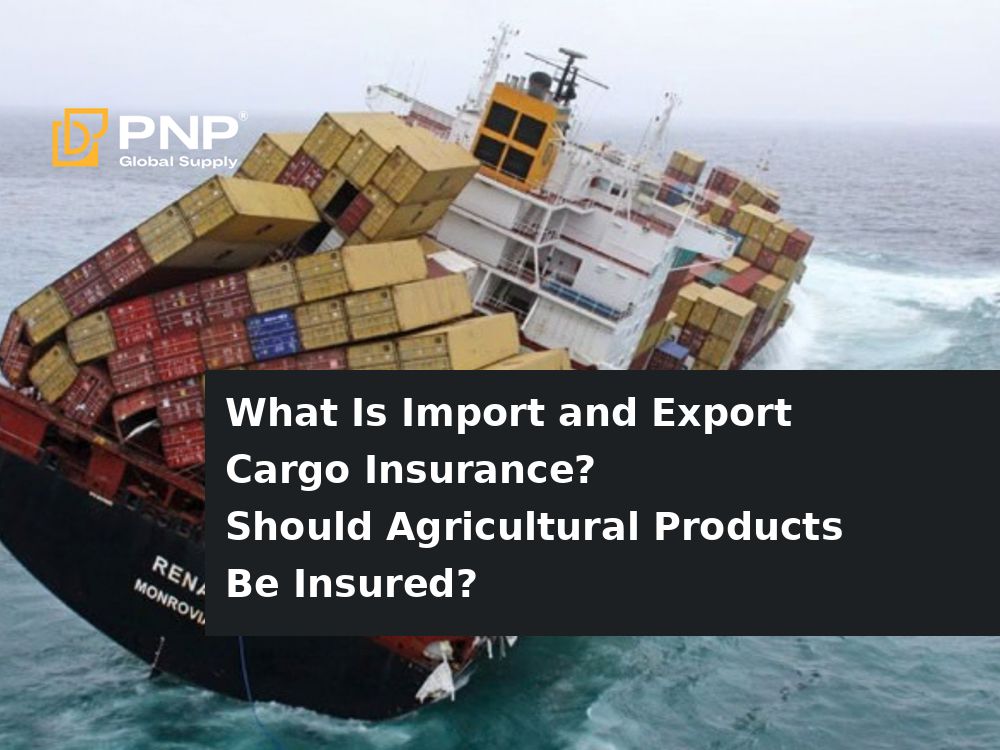
Agricultural imports and exports pass through several stages, including packaging, inland transport, warehousing, port handling, and international shipping. For products such as coffee, cashews, pepper, rice, and fruit, a single transport incident can cause substantial losses.
This is why many businesses consider import and export cargo insurance. It can reduce the financial burden of cargo losses that fall within the agreed scope of cover.
What is import and export cargo insurance, should agricultural exporters insure each shipment, and what does a cargo insurance contract include? This article explains the key considerations.
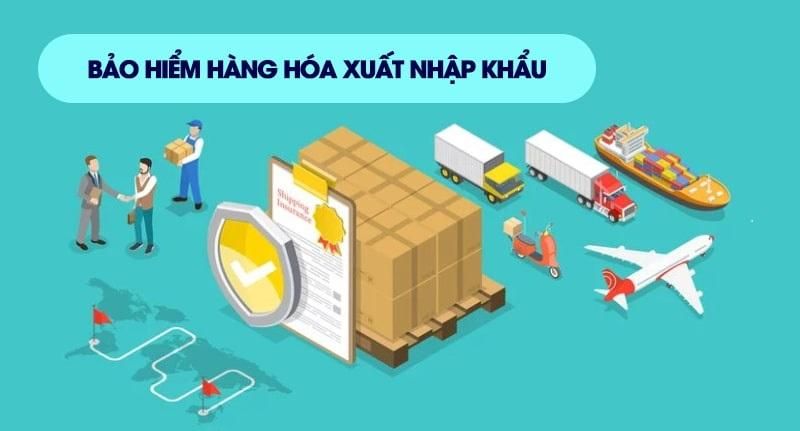
1. What is import and export cargo insurance?
Import and export cargo insurance protects the financial interests of cargo owners against loss of or damage to goods during transportation, within the risks specified in the policy or insurance certificate.
The process of international freight shipping is often lengthy and can involve multiple parties. Goods may be transported from the factory to the port, stored in a warehouse or port, and then shipped by sea, air, or other means to the importing country.
During this process, goods may face various risks such as transportation accidents, fire, explosions, natural disasters, seawater intrusion, loss or damage due to causes covered by insurance.
When an incident covered by insurance occurs, the business can initiate the claim process according to the agreed terms.
2. Why should businesses care about cargo insurance?
In import and export, the value of a shipment can be very large. If total or partial loss occurs, the business may suffer significant losses.
For agricultural products, the risks are particularly noteworthy because goods can be affected by humidity, temperature, water, impact, or improper storage conditions.
For example, a shipment of exported coffee or cashews might need to be transported by container for several days. If the container malfunctions or the goods are damaged due to an insured risk, the cost of the damage could amount to tens or hundreds of millions of VND, depending on the value of the shipment.
Purchasing insurance allows businesses to transfer a portion of their financial risk to the insurance company under agreed-upon conditions. This is one of the risk management tools that businesses can consider in their import and export operations.
3. Which types of agricultural products should be insured?
In principle, businesses can consider insuring various types of agricultural products if the goods and transportation routes meet the conditions of the insurance product.
Common product categories to consider include coffee, cashews, pepper, rice, nuts, dried agricultural products, fruits, and processed or semi-processed agricultural products.
For high-value agricultural products, those transported in large quantities, or those shipped over long distances, purchasing insurance is even more worthwhile for businesses to consider.
However, it should not be understood that simply purchasing insurance guarantees compensation for all cases of cargo damage. The scope of coverage depends on the contract terms, the cause of loss, the type of goods, the shipping route, and any exclusion clauses.

4. What does a cargo insurance contract include?
A cargo insurance contract establishes the rights and obligations of the parties.
Depending on the insurance product, the contract or insurance certificate usually includes information related to the insured, the insured object, the goods, the insured amount, the transportation route, the mode of transport, the insurance period, and the scope of risk.
In addition, businesses need to pay special attention to exclusion clauses, deductibles, and obligations in the event of a loss.
Before signing a contract, businesses should carefully read the terms and conditions instead of focusing solely on the premium. A contract with low premiums but limited coverage may not meet the actual needs of the business.
5. How are cargo insurance premiums determined?
Insurance premiums depend on various factors. These include the value of the goods, the type of goods, the method of transport, the route, the country of origin, and the country of destination, all of which can affect the premium.
The characteristics of the goods are also an important factor. Perishable, fragile, or sensitive goods may be assessed differently from dry and stable goods.
Businesses should provide the cargo insurer with accurate information to obtain advice on appropriate coverage. Inaccurate declarations about the goods or transport route can affect claims settlement.
6. Should you buy cargo insurance for agricultural products?
This is an important question for many agricultural exporters.
There is no single answer for every business. The decision should reflect the shipment value, level of risk, transport method, delivery terms, and the company’s financial capacity.
However, for high-value agricultural shipments, long-distance international transport, or businesses that want to proactively control financial risks, insurance is a very worthwhile option to consider.
Insurance costs typically only represent a small fraction of the total value of a shipment. However, in the event of serious damage, businesses can suffer significant losses without adequate protection mechanisms.
7. When should agricultural export businesses purchase insurance?
Businesses should give insurance particular consideration when the value of goods is high and losses could significantly impact cash flow.
Long, multi-stage, or transshipment routes are also cases that require attention. The more stages goods go through, the more points where risks can arise.
Furthermore, if a business lacks experience in handling losses or does not have a complete logistics risk management system, insurance can help reduce financial pressure when incidents occur.
For export contracts where the customer or trade terms require the seller to purchase insurance, businesses also need to comply with the agreement.
8. Does cargo insurance cover all causes of damage?
This is a misconception that businesses need to avoid.
Insurance does not guarantee compensation for all losses to goods. Each product has its own coverage and exclusion clauses.
For example, losses due to improper packaging, natural deterioration, inherent characteristics of the goods, or causes covered by exclusion clauses may not be within the scope of insurance coverage depending on the contract.
For agricultural products, this issue is even more important. Some products have the potential to naturally deteriorate in quality over time. If goods lose quality due to their natural characteristics or improper storage, businesses should not assume that the insurance company will compensate them.
Therefore, before purchasing insurance, businesses need to clearly ask which risks are covered and which are excluded.
9. What should businesses do when goods are damaged?
Upon discovering any loss or damage to goods, businesses must promptly notify the relevant parties as stipulated in the contract.
Businesses should maintain the status quo of losses to the extent possible, while taking reasonable measures to limit further losses.
All relevant documents should also be kept complete. This may include sales contracts, commercial invoices, packing lists, bills of lading, insurance certificates, photos of the scene, delivery and receipt records, and other documents related to the loss.
Depending on the circumstances, businesses may need to coordinate with an assessment agency to determine the cause and extent of the damage.
Timely notification and documentation collection are crucial to the compensation review process.
10. What is the role of a cargo insurance company?
A cargo insurance company provides insurance and fulfills its obligations within the scope agreed in the contract.
Businesses should choose a company with the necessary capabilities, a clear claims process, and experience in handling import and export shipments.
It's not enough to simply compare insurance premiums between providers. Businesses need to consider coverage, exclusions, deductibles, loss notification procedures, and claim processing times.
For businesses that regularly import or export agricultural products, a stable relationship with an experienced insurer can make advice and policy administration more straightforward.
11. Cargo insurance and Incoterms conditions
When engaging in international transactions, businesses need to understand the relationship between insurance and the Incoterms delivery terms used in the contract.
Some trade terms require the seller to arrange insurance to a certain extent, while in other terms, the responsibility for purchasing insurance may fall to the buyer.
However, the transfer of risk under Incoterms and who provides the insurance are two issues that need to be considered in accordance with the specific delivery terms.
Businesses should clearly define their responsibilities in sales contracts to avoid situations where they believe the goods are insured but the insurance coverage is actually insufficient.

12. Things to note when purchasing import and export cargo insurance.
Before signing a cargo insurance contract, businesses should carefully check the product description, quantity, value, and transport route.
The information on the insurance certificate must match the commercial and transport documents. If there are changes to the itinerary, method of transport, or characteristics of the goods, the business should discuss this with the insurance company to determine if contract adjustments are necessary.
For agricultural products, it is necessary to inquire clearly about the scope of insurance coverage for risks related to moisture, water, temperature, damage, and the inherent characteristics of the goods.
Furthermore, businesses need to understand the loss reporting process before an incident occurs. Once an incident has happened, knowing who to contact and what documents to provide will help expedite the resolution process.
13. Should you buy insurance for all agricultural shipments?
Businesses are not required to purchase insurance in the same way for all shipments.
For small, low-value shipments and low-risk shipping routes, businesses can weigh the cost of insurance against the potential for damage.
Conversely, for high-value shipments, long shipping routes, or goods at high risk of loss, purchasing insurance can offer more obvious benefits.
Businesses can also discuss with insurance companies to develop a plan that suits their export frequency. If a business exports frequently, insurance products covering multiple shipments may be a worthwhile option to consider, depending on their needs.
Conclusion
Import and export cargo insurance is a financial risk management tool for international transport. Proactive risk assessment is particularly important in agricultural trade, where goods may face long journeys and multiple handling stages.
For agricultural exporters, the insurance decision depends on shipment value, route, product characteristics, delivery terms, and the level of risk the business can accept.
Businesses choosing insurance should read the policy carefully and clarify the coverage, exclusions, deductible, and claims procedure. Select a reputable insurer experienced in international transport and agricultural trade.
Suitable insurance can support a professional risk management system and give businesses greater confidence as exports expand into more international markets.
Contact us:
Facebook: PNP Logistics
Phone: 039 880 2946
Email: info@pnpglobalsupply.com