Plant quarantine registration is a mandatory procedure for individuals and businesses involved in exporting, importing, or transporting products of plant origin such as fruits, vegetables, seeds, timber, and processed plant-based products.
The purpose of this process is to control and prevent the spread of harmful organisms, protect agricultural ecosystems, and comply with international standards. After inspection is completed and requirements are met, businesses will be issued a phytosanitary certificate—an essential document that allows goods to be legally circulated in both domestic and international markets.
Plant Quarantine Inspection
1. Where to Register for Plant Quarantine?
One of the most common concerns is where to register for plant quarantine. In Vietnam, businesses carry out this procedure through the Plant Protection Department, which operates under the Ministry of Agriculture and Rural Development and is commonly referred to as the plant quarantine authority.
Application submission points include regional plant quarantine sub-departments, quarantine stations at border gates such as seaports, airports, and land border crossings, as well as inland quarantine centers. In addition to direct submission, businesses can now use plant quarantine software systems to register online, helping save time and improve processing efficiency.
2. Plant Quarantine Registration Documents
To ensure a smooth registration process, businesses must prepare a complete set of documents in accordance with regulations. A standard application dossier typically includes a plant quarantine registration form, sales contract, commercial invoice, packing list, and bill of lading.
In certain cases, additional documents may be required, such as import permits, fumigation certificates, or documents related to the origin of goods (e.g., growing area codes). Preparing accurate documentation from the beginning helps shorten processing time and increases the likelihood of obtaining a phytosanitary certificate on the first inspection.
3. Plant Quarantine Registration Process
To make it easier to follow, the plant quarantine registration process can be divided into the following steps:
Step 1: Document Preparation and Declaration
Businesses prepare a complete set of plant quarantine documents as required. The dossier typically includes information about the shipment (product name, quantity, origin, purpose of import/export) along with supporting documents such as contracts, commercial invoices, and packing lists. Businesses then submit the declaration either directly to the quarantine authority or through the plant quarantine software system. Accurate declaration at this stage helps reduce processing time later.
Step 2: Receipt and Verification of Documents
The plant quarantine authority receives and reviews the dossier for validity. At this stage, officers examine the information and compare it with current regulations to determine whether the application is complete and accurate. If errors or missing information are found, businesses will be required to revise or supplement the documents before proceeding.
Step 3: Scheduling the Physical Inspection
Once the documents are approved, the business and the quarantine authority agree on the time and location for inspecting the shipment. Scheduling in advance ensures a smooth inspection process and avoids disruptions to transportation or customs clearance plans.
Step 4: Physical Inspection of the Shipment
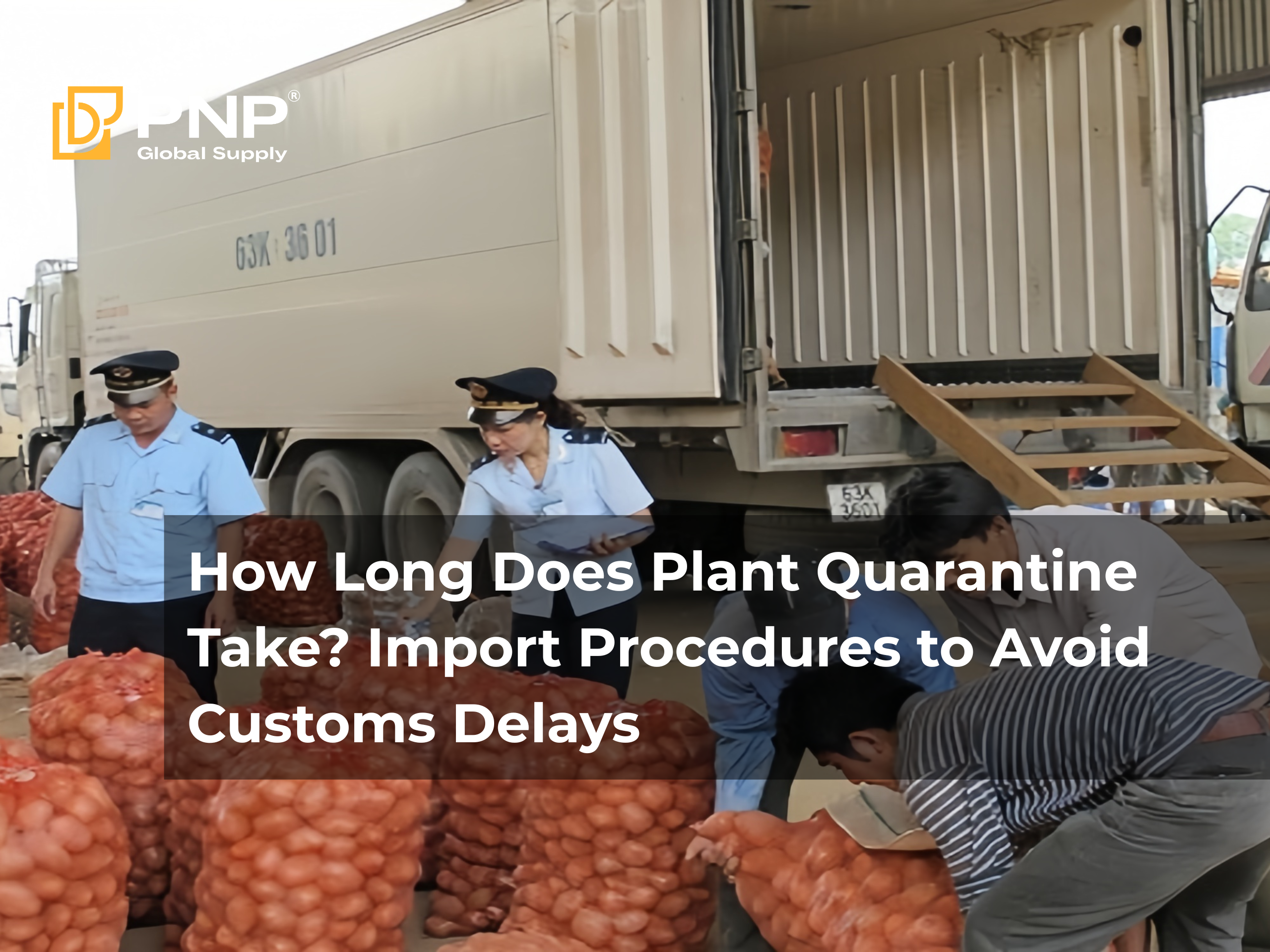
Quarantine officers conduct on-site inspection at warehouses, ports, or designated locations. The inspection includes checking the external condition (packaging, product status), verifying quantity, and in many cases, taking samples for testing. Authorities also assess pest risks based on the nature and origin of the goods.
Step 5: Evaluation and Handling of Inspection Results
After inspection, the authority issues a conclusion. If the shipment meets all requirements and no harmful organisms or violations are detected, the process proceeds to certification. Otherwise, the shipment may be subject to treatment measures such as fumigation, technical handling, re-export, or destruction depending on the severity of the issue.
Step 6: Issuance of the Phytosanitary Certificate
For compliant shipments, the plant quarantine authority issues a phytosanitary certificate. This is a mandatory document for completing customs procedures and allowing goods to enter circulation or be exported.
Step 7: Completion of Customs Clearance
After obtaining the phytosanitary certificate, businesses submit it as part of the customs dossier to complete the clearance process. At this stage, the shipment meets all legal requirements for circulation in the domestic market or export abroad.
Understanding each step of the process helps businesses stay proactive and minimize potential costs and delays in import–export operations.
Quarantine Officers Conducting Inspection
4. Important Notes When Registering for Plant Quarantine
During the registration process, businesses must pay close attention to accurately declaring information, preparing complete documentation, and registering before the goods arrive at the border gate. Additionally, regularly updating regulations from the plant quarantine authority is crucial to avoid violations and ensure smooth customs clearance.
If lacking experience, businesses may consider using support services from logistics companies to optimize the process.
5. Conclusion
Plant quarantine registration is an essential step in agricultural import–export activities. Understanding where to register, preparing complete documentation, mastering the process, and effectively using plant quarantine software can help businesses save time, reduce costs, and minimize risks.
Moreover, complying with regulations and ensuring the availability of a valid phytosanitary certificate will enhance a company’s credibility and competitiveness in the international market.
________________________________
Contact us for more information
Facebook: PNP Logistics
Phone: 039 880 2946
Email: info@pnpglobalsupply.com